English




















































































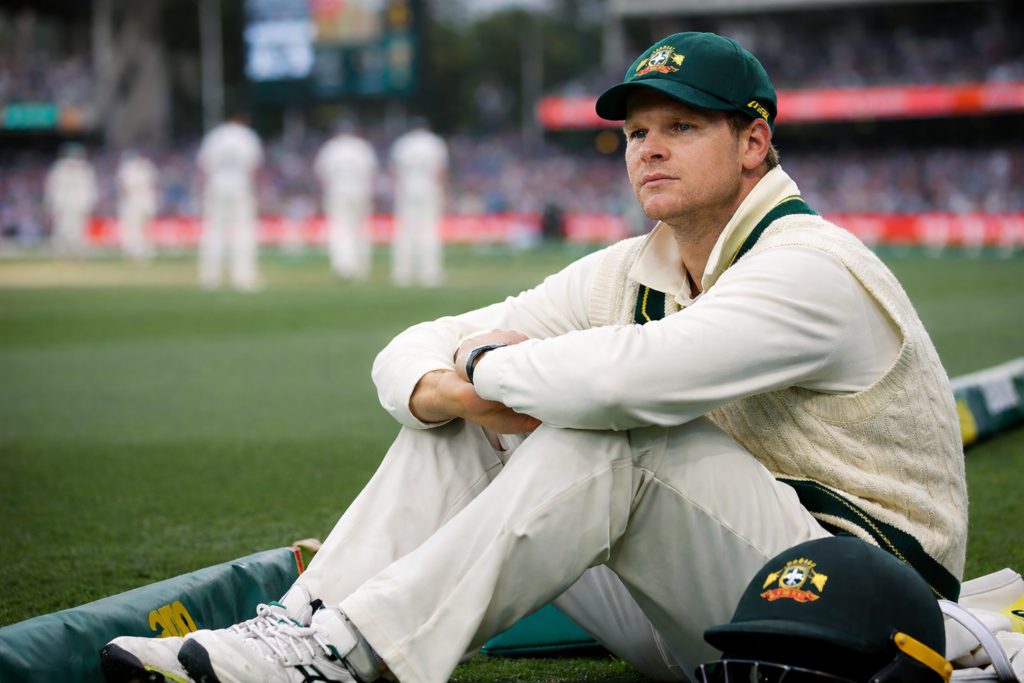










Steven Smith Ruled Out of Third Ashes Test

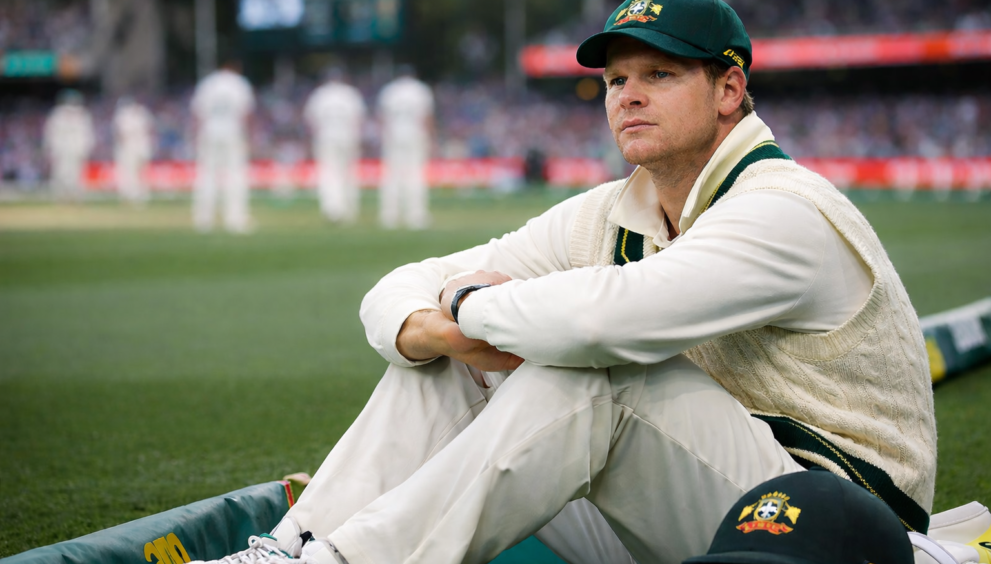
Steven Smith has been ruled out of the third Ashes Test, dealing a major blow to Australia’s plans on the morning of the Adelaide encounter. The sudden withdrawal, confirmed hours before the toss, reshaped team balance and forced selectors into late adjustments. With Steven Smith ruled out of the third Ashes Test due to vertigo, attention immediately turned to the reshuffled batting order and the strategic implications for the series. Reports confirmed that Khawaja would replace Steven Smith in the third Ashes Test, bringing experience but altering Australia’s middle-order stability. The development adds a significant subplot to a closely contested Ashes series already defined by momentum swings and selection pressure.
Steven Smith’s Sudden Withdrawal Alters Ashes Narrative
Steven Smith being ruled out of the third Ashes Test marked one of the most disruptive moments of the ongoing Ashes series. The timing of the announcement, made on the morning of the match in Adelaide, amplified its impact. Australia had finalized preparations around Smith’s presence, particularly in a middle order designed to counter England’s aggressive bowling plans. Vertigo, a condition that affects balance and spatial orientation, made Smith unavailable, forcing immediate tactical reassessment.
From a commercial and sporting standpoint, Steven Smith remains one of the most bankable names in world cricket. His absence not only affected Australia’s on-field balance but also shifted media attention, broadcast narratives, and fan expectations. Matches involving Smith typically draw heightened interest due to his record in Ashes cricket and his reputation as a decisive performer in high-pressure Tests.
Medical Context Behind Steven Smith Being Ruled Out
Vertigo is not a trivial condition for elite athletes, particularly batters who rely on balance, reflexes, and precise judgment against fast bowling. Team medical staff ruled out Steven Smith after determining that the symptoms posed a risk both to performance and player safety. Cricket Australia’s decision aligned with modern player welfare standards, prioritizing long-term health over short-term gain.
The ruling reinforced a broader trend in international cricket where medical clearances carry increasing authority. Steven Smith ruled out of the third Ashes Test underscored that even senior players are subject to strict protocols, regardless of match importance. This approach reflects evolving governance standards in elite sport, where risk management and duty of care take precedence.
Selection Implications as Khawaja Would Replace Steven Smith
Once Steven Smith was ruled out of the third Ashes Test, selectors turned to Usman Khawaja as the most viable replacement. The decision was rooted in experience rather than experimentation. Khawaja’s familiarity with Ashes conditions, particularly against England’s seam attack, made him a logical inclusion.
Khawaja would replace Steven Smith in the third Ashes Test, but the substitution was not a like-for-like exchange. Smith’s role as a middle-order anchor contrasts with Khawaja’s established position as a top-order batter. This forced Australia to reshuffle the batting order, affecting partnerships and match strategy.
From a tactical standpoint, the change shifted Australia’s approach from consolidation in the middle overs to greater emphasis on early stability. The selection highlighted the depth challenges faced by Test teams when a generational player like Steven Smith is unavailable.
Impact on Australia’s Batting Structure
Steven Smith ruled out of the third Ashes Test disrupted Australia’s batting blueprint. Smith’s presence typically allows other batters to play with greater freedom, knowing that a reliable run-scorer anchors the innings. Without him, responsibility shifted to senior players to absorb pressure and maintain scoring momentum.
The reshuffle introduced uncertainty, particularly against England’s disciplined bowling attack. Smith’s absence reduced Australia’s ability to counter prolonged spells of pressure, a factor that has historically defined Ashes outcomes. Analysts noted that England’s bowlers adjusted lengths and fields, aware that Smith was no longer the focal point of their plans.
Strategic Advantage for England
From England’s perspective, Steven Smith being ruled out of the third Ashes Test presented a significant opportunity. Smith has been a persistent challenge for English bowlers across multiple series, often dictating match tempo. His absence allowed England to redistribute bowling resources and target less established partnerships.
England’s preparation had included detailed analysis of Smith’s scoring zones and dismissal patterns. With Smith removed from the equation, England shifted focus to exploiting early vulnerabilities and applying sustained pressure on replacement batters. The development subtly altered the competitive balance, particularly in conditions favorable to seam bowling.
Commercial and Broadcast Implications
Beyond cricketing tactics, Steven Smith ruled out of the third Ashes Test carried commercial implications. Smith’s presence influences broadcast viewership, sponsorship visibility, and global media coverage. His absence prompted broadcasters to adjust storytelling angles, emphasizing team resilience and replacement narratives.
For advertisers and rights holders, marquee players like Smith represent consistent audience engagement. While the Ashes brand remains strong, individual star power enhances reach, particularly in digital and international markets. The incident demonstrated how player availability can influence the commercial ecosystem surrounding elite Test cricket.
Historical Context of Absences in the Ashes
The Ashes series has a long history of pivotal absences shaping outcomes. Steven Smith ruled out of the third Ashes Test joined a list of moments where injuries or illness changed series trajectories. Historically, teams that adapt quickly to such disruptions often gain a psychological edge.
Smith’s withdrawal echoed previous instances where Australia had to reconfigure strategies without a central figure. These moments test squad depth, leadership clarity, and adaptability under pressure. The response to Smith’s absence became a litmus test for Australia’s broader Test framework.
Leadership and Psychological Impact
Steven Smith’s influence extends beyond runs. His presence carries psychological weight, both for teammates and opponents. Being ruled out of the third Ashes Test removed a source of on-field reassurance for Australia and a focal point of anxiety for England.
Leadership dynamics shifted as senior players assumed greater responsibility in guiding less experienced teammates. The situation highlighted the importance of distributed leadership in modern Test sides, particularly during high-stakes series.
What Steven Smith’s Absence Signals Going Forward
Steven Smith ruled out of the third Ashes Test raised questions about workload management and health monitoring for elite cricketers. While vertigo may be temporary, the episode reinforced the need for cautious reintegration and comprehensive medical oversight.
From a series perspective, Smith’s availability for subsequent Tests remained a focal discussion point. Australia’s ability to manage his recovery while maintaining competitiveness became a strategic priority. The situation illustrated how modern Test series require contingency planning that extends beyond the playing XI.
Broader Lessons for Test Cricket
The episode surrounding Steven Smith ruled out of the third Ashes Test offered broader lessons for international cricket. Depth, adaptability, and player welfare increasingly define success at the highest level. Teams can no longer rely solely on star performers without robust backup plans.
For selectors and administrators, the incident emphasized the value of maintaining experienced reserves capable of stepping into high-pressure situations. Khawaja would replace Steven Smith in the third Ashes Test not merely as a substitute, but as a stabilizing presence in a moment of uncertainty.
Conclusion: A Defining Moment in the Series
Steven Smith being ruled out of the third Ashes Test stands as a defining development in the series. The decision reshaped tactics, altered momentum, and introduced new narratives into an already compelling contest. While Australia adjusted through experience and structural changes, the absence underscored Smith’s enduring value to the side.
As the Ashes series continues, the ramifications of this moment will extend beyond a single Test. Selection decisions, psychological dynamics, and series momentum all trace back to the morning when Steven Smith was ruled out of the third Ashes Test, reminding followers that even the most established plans in cricket remain vulnerable to sudden change.