English




























































































Cocoa and Palm Oil Sourcing Puts Mondelez Under Scrutiny

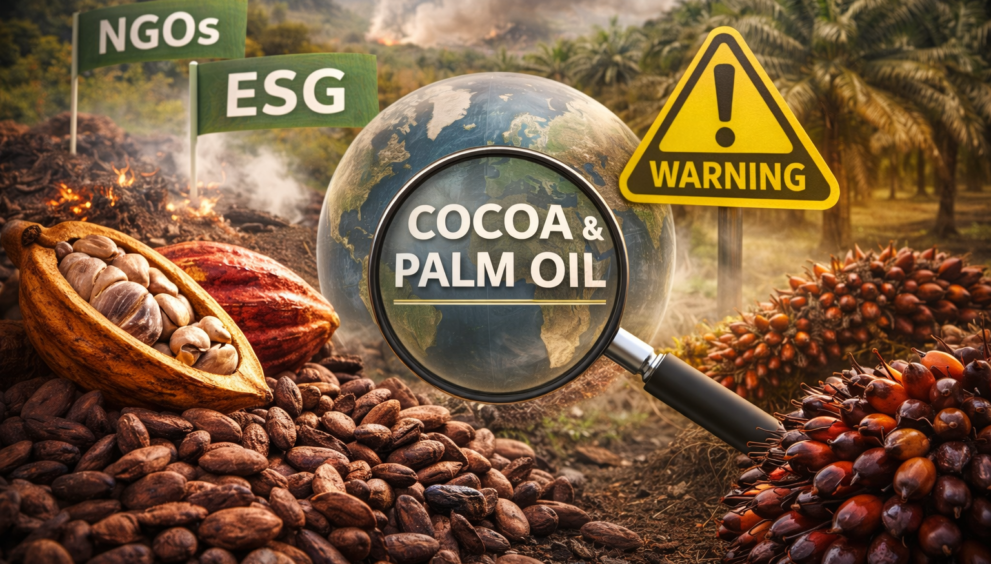
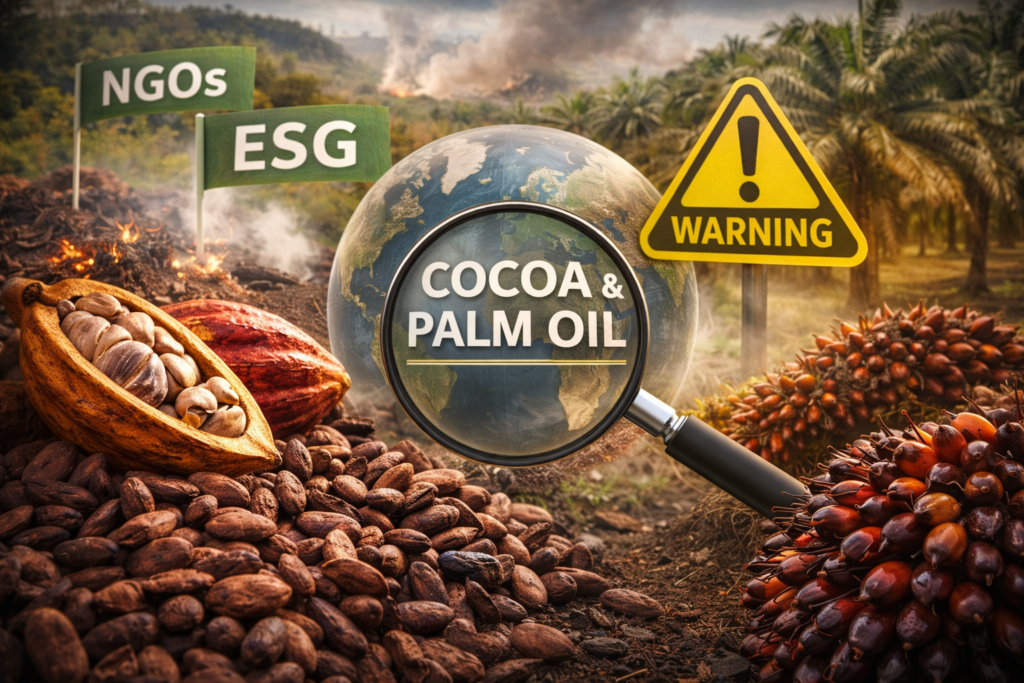
Cocoa and palm oil sourcing has become a growing focus of environmental oversight as regulators and watchdog groups intensify scrutiny of global supply chains. Mondelez, one of the world’s largest snack manufacturers, has been called out by an environmental body over oil sourcing practices linked to cocoa and palm derivatives. The development underscores broader concerns around traceability, sustainability commitments, and the credibility of corporate sourcing claims at a time when regulatory expectations and investor scrutiny are steadily increasing.
Cocoa and Palm Oil Sourcing Under the Global Spotlight
Cocoa and palm oil are essential raw materials for the global food industry, forming the backbone of confectionery, snacks, and packaged foods consumed worldwide. Their importance has also made them focal points for environmental and ethical scrutiny. Recent attention directed at Mondelez highlights how oil sourcing practices are increasingly being examined not only by regulators but also by investors, advocacy groups, and supply-chain auditors.
The call-out from an environmental body reflects a broader shift in how sustainability claims are assessed. Public commitments are no longer evaluated solely on stated policies but on measurable outcomes across complex international supply networks.
The Role of Cocoa and Palm Oil in Global Supply Chains
Cocoa production is deeply intertwined with livelihoods across West Africa, Latin America, and parts of Southeast Asia. Palm oil, meanwhile, remains one of the most widely used vegetable oils globally due to its versatility, yield efficiency, and cost effectiveness. Together, these commodities support vast agricultural ecosystems but also present significant environmental risks when governance and oversight are insufficient.
Oil sourcing linked to cocoa derivatives often involves multiple tiers of suppliers, making traceability difficult. Palm oil supply chains face similar challenges, particularly where land-use change, deforestation, and biodiversity loss are concerned. These structural complexities make large food manufacturers especially vulnerable to criticism if transparency gaps emerge.
Environmental Scrutiny and Mondelez
The environmental body’s intervention places Mondelez at the center of a debate that extends far beyond a single company. The criticism reportedly centers on whether cocoa and palm oil sourcing practices align with publicly stated sustainability targets. While Mondelez has articulated commitments related to deforestation-free supply chains, critics argue that existing disclosures do not adequately demonstrate full compliance across all sourcing regions.
Such scrutiny reflects a tightening regulatory environment in which voluntary pledges are increasingly tested against independent assessments. Environmental groups are leveraging data, satellite monitoring, and third-party verification to challenge corporate narratives around responsible oil sourcing.
Why Oil Sourcing Transparency Matters
Oil sourcing transparency has become a material issue for multinational food producers. Investors now routinely assess environmental, social, and governance performance when evaluating long-term risk. Supply-chain opacity can expose companies to reputational damage, regulatory penalties, and operational disruption.
For cocoa and palm oil, transparency extends beyond identifying suppliers. It involves mapping land-use practices, monitoring deforestation risks, and ensuring compliance with labor and environmental standards. The Mondelez case illustrates how gaps in this process can prompt public challenges, even when overarching sustainability frameworks are in place.
Regulatory and Market Pressures Intensify
Governments and regulatory bodies are strengthening rules governing agricultural supply chains. In several jurisdictions, new legislation requires companies to demonstrate that imported commodities linked to cocoa and palm oil are not associated with illegal deforestation or environmental harm.
These regulatory developments elevate the importance of credible oil sourcing systems. Failure to meet compliance thresholds can restrict market access, particularly in regions adopting stringent sustainability disclosure requirements. The attention placed on Mondelez signals how enforcement expectations are evolving from voluntary alignment to mandatory accountability.
Commercial Implications for Global Food Brands
From a commercial investigation perspective, scrutiny over cocoa and palm oil sourcing has tangible business implications. Consumer trust plays a critical role in brand equity, especially for household names operating in competitive markets. Allegations of weak oversight can influence purchasing behavior and investor confidence alike.
Supply-chain adjustments in response to environmental findings can also increase operational costs. Companies may need to invest in improved traceability technology, supplier audits, and certification programs. While these investments can strengthen resilience, they also affect margins in price-sensitive product categories.
Sustainability Commitments Versus Measurable Outcomes
A recurring theme in debates around cocoa and palm oil sourcing is the distinction between commitments and outcomes. Public sustainability strategies often outline ambitious goals, but environmental bodies increasingly demand evidence of on-the-ground impact.
The Mondelez situation highlights this tension. Corporate disclosures may emphasize progress, yet external assessments can reveal inconsistencies or unresolved risks. This dynamic underscores the importance of independent verification in establishing credibility within oil sourcing frameworks.
Broader Industry Consequences
The call-out directed at Mondelez may influence how other food manufacturers approach cocoa and palm oil sourcing. Industry peers are likely to reassess disclosure practices, supplier engagement models, and risk-management strategies to pre-empt similar scrutiny.
As environmental oversight becomes more data-driven, companies relying on agricultural commodities face pressure to adopt proactive transparency measures. Those that fail to do so may encounter escalating challenges from regulators, advocacy groups, and financial stakeholders.
Investor and Stakeholder Reactions
Institutional investors increasingly integrate sustainability performance into risk assessment models. Environmental controversies linked to oil sourcing can affect stock valuations and long-term investment strategies. Stakeholders now expect companies to demonstrate not only compliance but leadership in responsible sourcing.
For Mondelez, ongoing engagement with environmental bodies and transparent reporting will be closely watched by the investment community. The outcome may shape perceptions of governance quality and strategic resilience in a rapidly changing regulatory landscape.
The Future of Cocoa and Palm Oil Sourcing
Looking ahead, cocoa and palm oil sourcing is likely to face even greater oversight as climate concerns intensify. Advances in satellite monitoring, blockchain traceability, and third-party auditing are reshaping how supply chains are evaluated.
Companies operating at scale will need to align sustainability narratives with verifiable performance metrics. The current scrutiny serves as a reminder that environmental accountability is no longer peripheral but central to commercial viability in the global food industry.
Conclusion
The environmental challenge directed at Mondelez underscores the growing importance of transparency and accountability in cocoa and palm oil sourcing. As oil sourcing practices come under closer examination, food manufacturers face rising expectations from regulators, investors, and consumers alike. The case illustrates how sustainability claims must be supported by measurable outcomes across complex supply chains. In an era of heightened scrutiny, credible sourcing strategies are not only an environmental imperative but a commercial necessity.