English












































































Why Intelligent Automation Projects Fail — And How to Scale Them Successfully

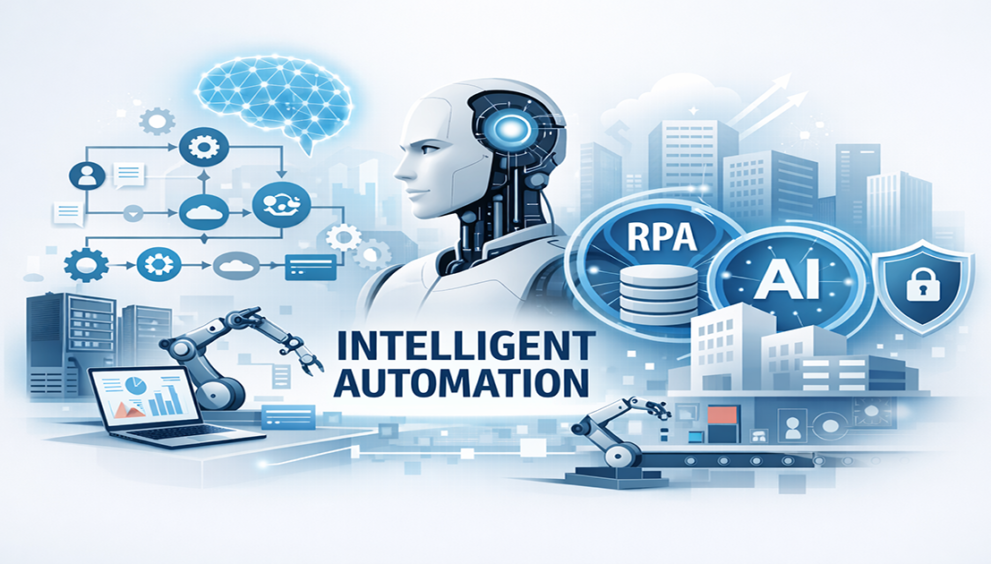
Intelligent Automation is rapidly becoming a foundational technology for modern enterprises seeking efficiency, scalability, and operational resilience. Organizations across industries are adopting AI Workflow Automation, Enterprise Intelligent Automation, and AI Driven Business Automation to streamline business processes and reduce manual operational overhead. However, scaling automation systems across complex enterprise environments presents significant challenges, especially when live workflows must remain uninterrupted. An effective Intelligent Automation Strategy enables organizations to integrate artificial intelligence with workflow management while maintaining operational continuity. As companies expand digital transformation initiatives, implementing intelligent automation strategy for enterprise operations and AI workflow automation for enterprise business processes has become critical for achieving sustainable growth, improving productivity, and maintaining competitive advantage in an increasingly automated economy.
Intelligent Automation: Scaling AI Without Breaking Enterprise Workflows
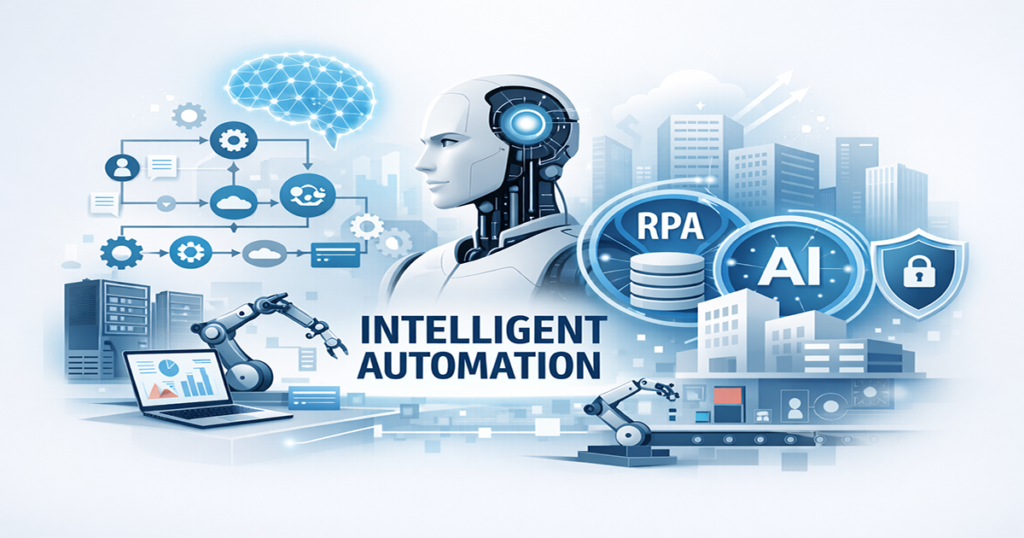
Digital transformation initiatives are accelerating worldwide, and Intelligent Automation has emerged as a critical technology enabling organizations to automate complex processes, reduce operational costs, and improve decision-making accuracy. By combining artificial intelligence, machine learning, robotic process automation, and advanced analytics, intelligent automation allows enterprises to automate tasks that previously required human intervention.
Modern enterprises operate in environments characterized by large-scale data flows, interconnected digital systems, and real-time operational requirements. Traditional automation tools often struggle to scale within such environments because enterprise workflows involve numerous dependencies across departments, platforms, and business units. As a result, implementing Enterprise Intelligent Automation requires a strategic approach that prioritizes system stability while enabling continuous operational improvements.
Organizations adopting AI Driven Business Automation are increasingly focused on integrating automation systems without disrupting live workflows. This challenge highlights the importance of developing a structured Intelligent Automation Strategy that balances automation expansion with operational continuity.
The Rise of Enterprise Intelligent Automation
Enterprises are increasingly investing in AI Workflow Automation to optimize operational processes and reduce inefficiencies. Industries such as finance, healthcare, logistics, manufacturing, and technology rely on intelligent automation to manage high-volume tasks including document processing, compliance monitoring, customer service interactions, data analysis, and workflow orchestration. Unlike traditional automation technologies, intelligent automation systems integrate artificial intelligence models capable of learning from data patterns and improving over time. This capability enables organizations to automate complex workflows involving decision-making, predictive analytics, and adaptive process optimization.
The adoption of Enterprise Intelligent Automation continues to expand as organizations recognize its ability to support digital transformation initiatives. Businesses implementing advanced automation technologies often experience improved productivity, faster operational cycles, and greater consistency in process execution. However, scaling intelligent automation across enterprise environments requires careful coordination between technology teams, business units, and operational management. Improperly deployed automation systems can disrupt existing workflows, create integration conflicts, and introduce operational risks.
Why Intelligent Automation Strategies Matter
A well-defined Intelligent Automation Strategy is essential for ensuring that automation technologies integrate seamlessly with existing enterprise systems. Without a structured approach, automation initiatives may generate fragmented processes and reduce operational visibility. An effective intelligent automation strategy focuses on identifying high-value automation opportunities while maintaining workflow stability. Organizations typically begin by analyzing existing processes to determine which operations benefit most from automation technologies. High-volume repetitive tasks, compliance monitoring procedures, and data processing workflows are often prime candidates for automation deployment.
Once suitable processes are identified, enterprises implement automation frameworks that incorporate AI models, process orchestration tools, and monitoring systems. These frameworks allow organizations to scale automation gradually while minimizing disruptions to live operations. Implementing intelligent automation strategy for enterprise operations also requires strong governance frameworks. Governance structures ensure that automation initiatives remain aligned with organizational objectives while maintaining transparency across business processes.
Challenges in Scaling Intelligent Automation
While the benefits of intelligent automation are significant, scaling automation across enterprise environments introduces several technical and operational challenges. One of the most common challenges involves maintaining workflow continuity during automation implementation. Enterprise operations often rely on interconnected systems, and even minor disruptions in workflow execution can affect business productivity.
Another challenge involves integrating automation technologies with legacy infrastructure. Many enterprises operate with legacy systems that were not designed to support AI-driven automation tools. Ensuring compatibility between modern automation platforms and existing enterprise systems requires careful planning and technical expertise. Data quality also plays a critical role in the success of AI Workflow Automation. Intelligent automation systems rely heavily on accurate data inputs to generate reliable outputs. Poor data quality can lead to automation errors, incorrect decision-making, and inefficient workflows. Security and compliance considerations further complicate automation initiatives. Enterprises handling sensitive financial or customer data must ensure that automation systems comply with regulatory requirements while maintaining data protection standards.
AI Workflow Automation for Enterprise Business Processes
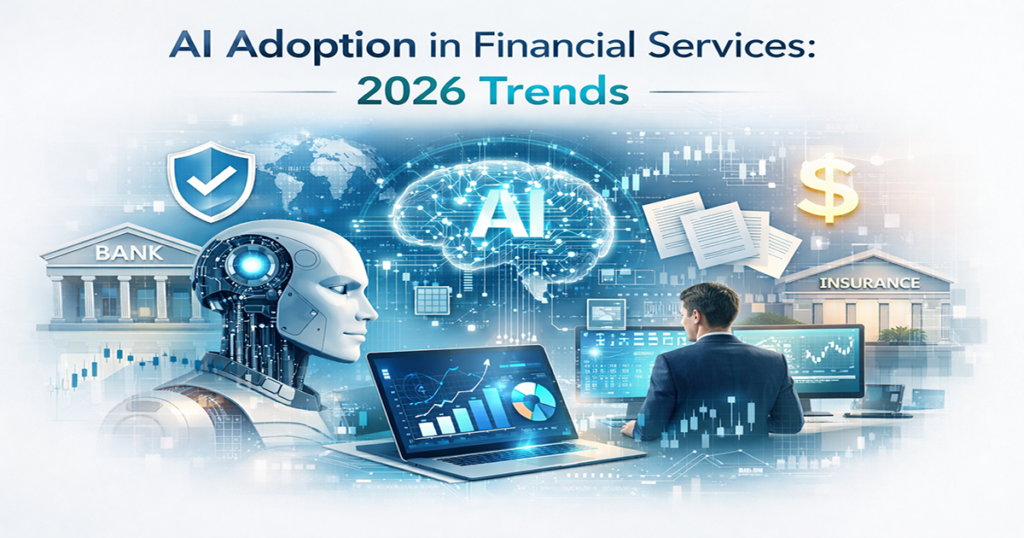
AI workflow automation for enterprise business processes represents one of the most transformative applications of intelligent automation. By automating complex workflows that involve multiple decision points, enterprises can significantly improve operational efficiency. For example, financial institutions often use AI workflow automation to process loan applications, analyze credit risk, and detect fraudulent transactions. Healthcare organizations apply automation technologies to streamline patient data processing, appointment scheduling, and clinical documentation management.
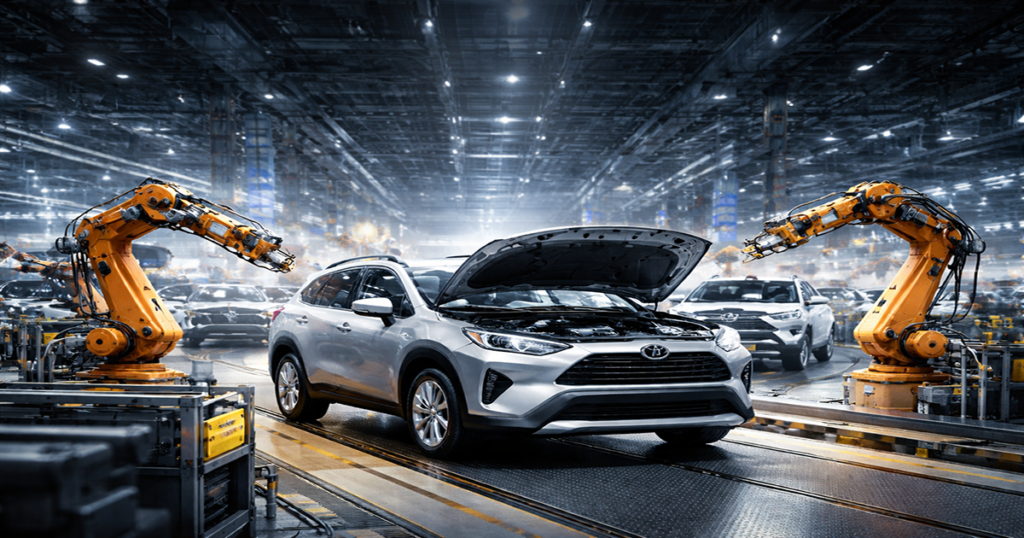
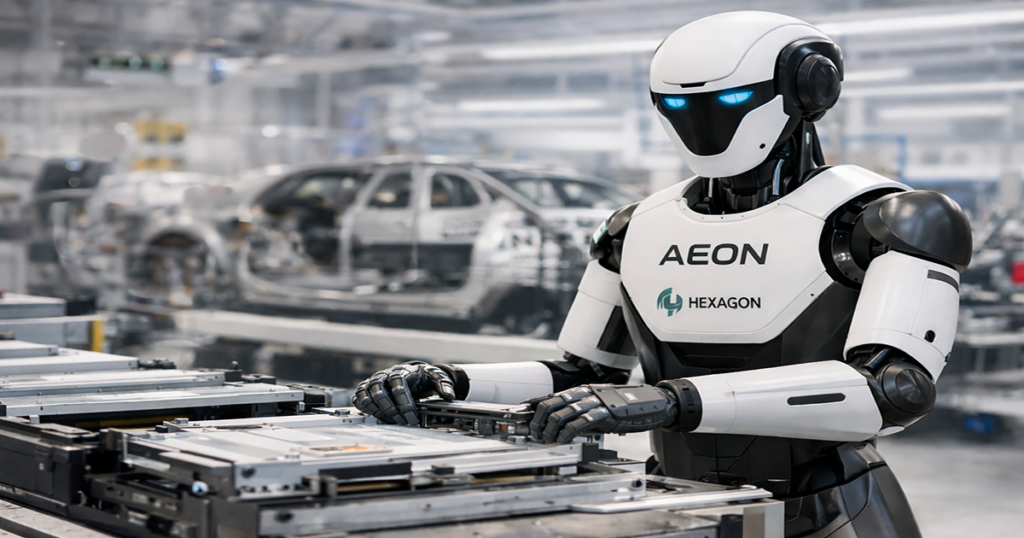
Manufacturing companies utilize intelligent automation to optimize supply chain operations, inventory management, and production scheduling. Similarly, customer service departments implement AI-powered chatbots and workflow automation tools to handle customer inquiries and support requests. In each of these scenarios, intelligent automation enhances operational efficiency while reducing manual workload. Automation technologies allow employees to focus on higher-value activities such as strategic planning, innovation, and customer engagement.
Enterprise Intelligent Automation and Digital Transformation
Digital transformation initiatives across industries increasingly rely on Enterprise Intelligent Automation to modernize business processes. Automation technologies enable organizations to build agile operational frameworks capable of adapting to evolving market conditions. By integrating intelligent automation into digital transformation strategies, enterprises gain the ability to process large volumes of data in real time, generate predictive insights, and automate complex decision-making processes. These capabilities support faster innovation cycles and improved operational resilience.
Automation technologies also enhance collaboration between different departments within an organization. Integrated automation platforms allow teams to share data insights, coordinate workflow execution, and optimize operational performance. As organizations expand digital transformation initiatives, intelligent automation is expected to play a central role in shaping the future of enterprise operations.
Future Trends in Intelligent Automation
The future of AI Driven Business Automation is closely linked to advancements in artificial intelligence technologies. Emerging AI capabilities such as generative AI, predictive analytics, and advanced machine learning algorithms are expected to enhance automation systems significantly. Generative AI models can assist in automating content creation, document generation, and software development workflows. Predictive analytics tools allow enterprises to anticipate operational challenges and optimize decision-making processes.
Another emerging trend involves hyperautomation, which combines multiple automation technologies to automate entire enterprise ecosystems. Hyperautomation frameworks integrate AI, robotic process automation, business process management systems, and data analytics platforms into unified automation architectures. As automation technologies continue to evolve, enterprises implementing scalable automation strategies will gain significant competitive advantages.
Conclusion
Intelligent Automation is reshaping enterprise operations by enabling organizations to automate complex workflows, improve operational efficiency, and enhance decision-making capabilities. However, successfully scaling automation across enterprise environments requires a strategic approach that prioritizes workflow stability and system integration.
Implementing an effective Intelligent Automation Strategy, adopting AI Workflow Automation, and deploying Enterprise Intelligent Automation technologies allow organizations to modernize business processes while maintaining operational continuity. As automation technologies continue to evolve, enterprises that invest in scalable automation frameworks will be better positioned to navigate the future of digital transformation and AI-driven innovation.