English




























































Factory Automation Just Got Smarter 🤖: Inside ABB’s AI Simulation Strategy

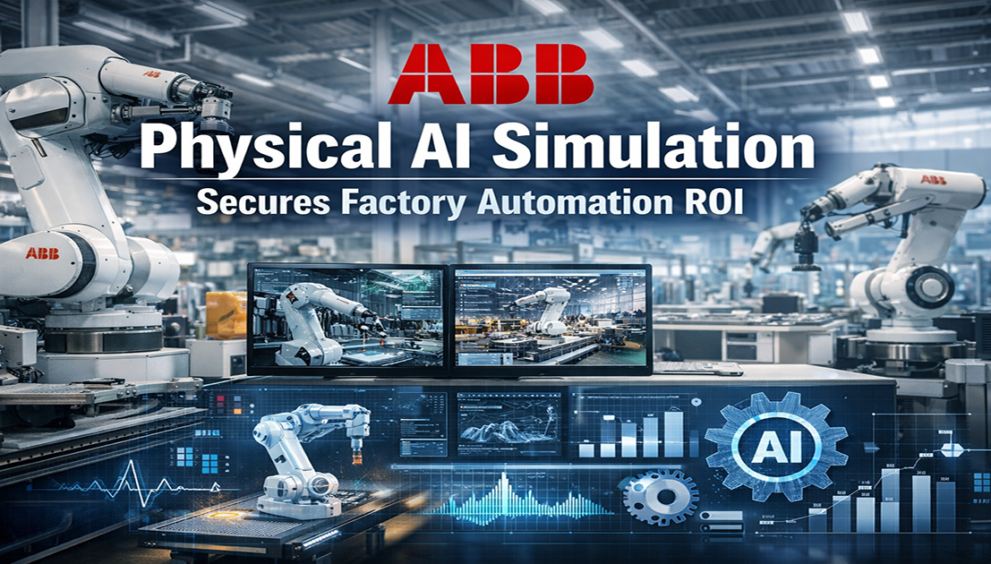
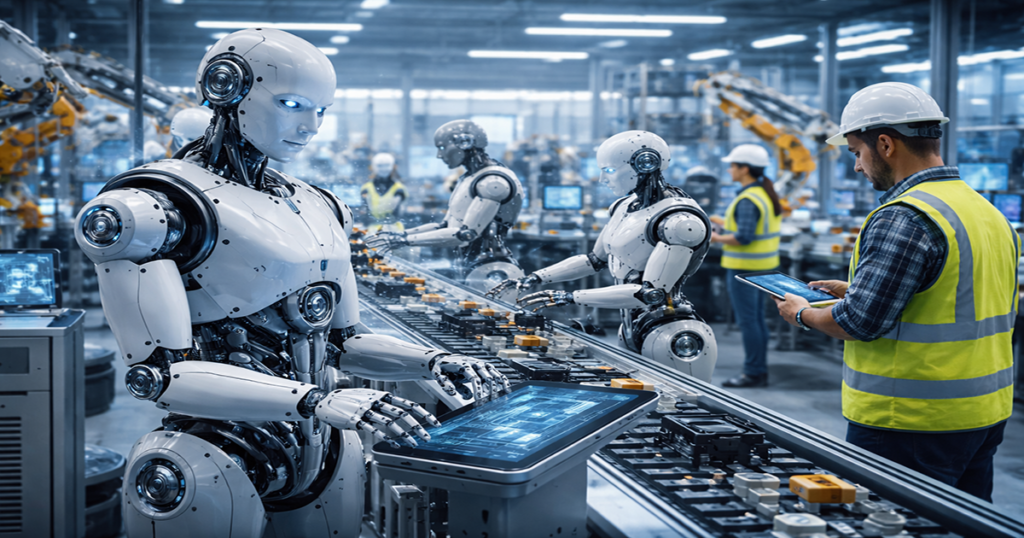
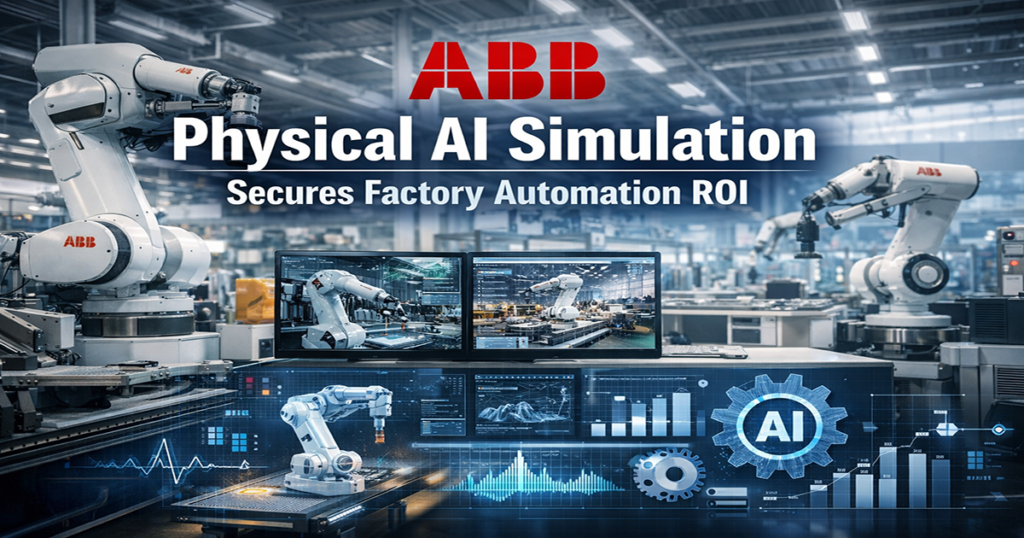
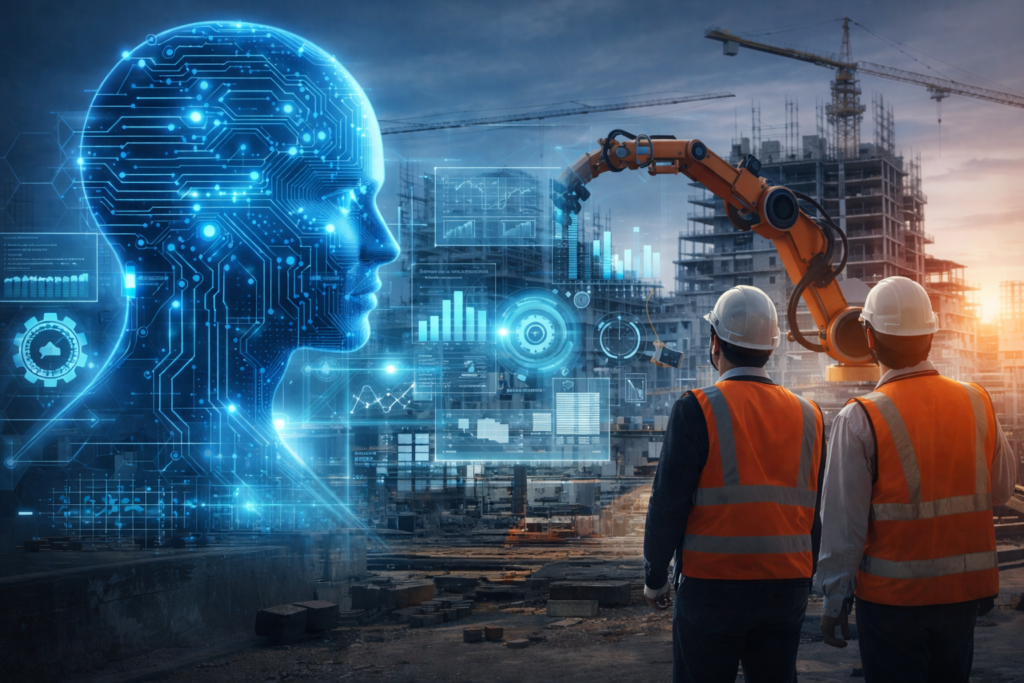
ABB physical AI Simulation is redefining industrial operations by integrating AI-powered factory automation, robotics automation efficiency, and smart manufacturing AI into a unified ecosystem. As industries demand measurable factory automation ROI, advanced industrial AI solutions are enabling predictive modeling and real-time optimization. The ability of physical AI improves manufacturing efficiency and ROI is no longer theoretical; it is being realized through AI-driven robotics improving production efficiency across modern factories. This transformation signals a shift toward data-driven, simulation-first manufacturing strategies that prioritize scalability, cost efficiency, and operational precision.
ABB Physical AI Simulation: Redefining Industrial Intelligence
ABB physical AI Simulation represents a significant evolution in industrial automation by combining digital twin technologies with real-world physics-based modeling. This approach enables manufacturers to simulate production environments before deployment, ensuring that automation strategies are optimized for performance and cost efficiency. Within the broader context of smart manufacturing AI, simulation-driven workflows allow enterprises to evaluate multiple production scenarios without disrupting actual operations.
The integration of industrial AI solutions into simulation frameworks provides actionable insights into machine behavior, system bottlenecks, and energy consumption. These capabilities directly contribute to improved factory automation ROI by reducing trial-and-error implementation costs. As global manufacturing ecosystems become increasingly complex, the demand for predictive and adaptive systems continues to rise, positioning ABB physical AI Simulation as a critical enabler of next-generation automation.
The Role of AI-Powered Factory Automation in ROI Optimization
AI-powered factory automation is no longer limited to repetitive task execution. It has evolved into a strategic tool for optimizing entire production lifecycles. ABB physical AI Simulation leverages machine learning algorithms and real-time data analytics to simulate and refine production processes before physical implementation. This ensures that every automation investment aligns with measurable ROI outcomes.
Factory automation ROI is influenced by several variables, including production speed, downtime reduction, and resource utilization. By simulating these variables in a controlled digital environment, manufacturers can identify inefficiencies and implement corrective measures proactively. This predictive capability significantly reduces operational risks while enhancing overall system reliability.
Furthermore, AI-driven robotics improving production efficiency plays a central role in achieving consistent output quality. Simulation models enable precise calibration of robotic systems, ensuring optimal performance under varying production conditions. This level of precision is essential for industries operating under strict quality and compliance standards.
Smart Manufacturing AI and Digital Twin Integration
Smart manufacturing AI relies heavily on digital twin technology, which creates virtual replicas of physical systems. ABB physical AI Simulation extends this concept by incorporating physics-based modeling and real-time data synchronization. This combination allows manufacturers to test and validate automation strategies in a virtual environment that closely mirrors real-world conditions.
Digital twins powered by industrial AI solutions provide continuous feedback loops, enabling dynamic adjustments to production processes. This adaptability is crucial for maintaining efficiency in rapidly changing market conditions. The ability of physical AI improves manufacturing efficiency and ROI is particularly evident in scenarios involving complex assembly lines and high-precision manufacturing.
In addition, simulation-driven insights facilitate better decision-making across multiple operational layers, from supply chain management to energy optimization. This holistic approach ensures that automation investments deliver maximum value across the entire production ecosystem.
Robotics Automation Efficiency Through Simulation
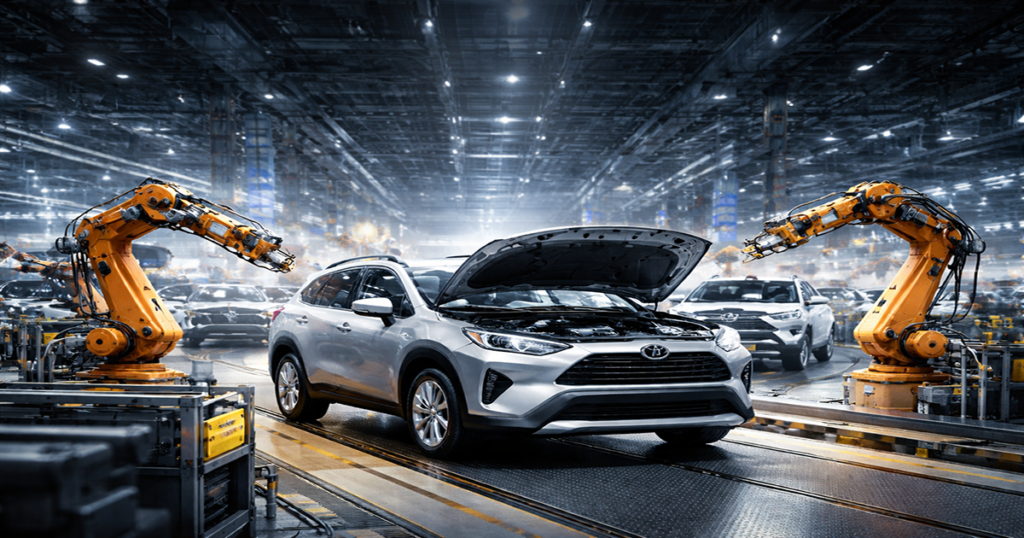
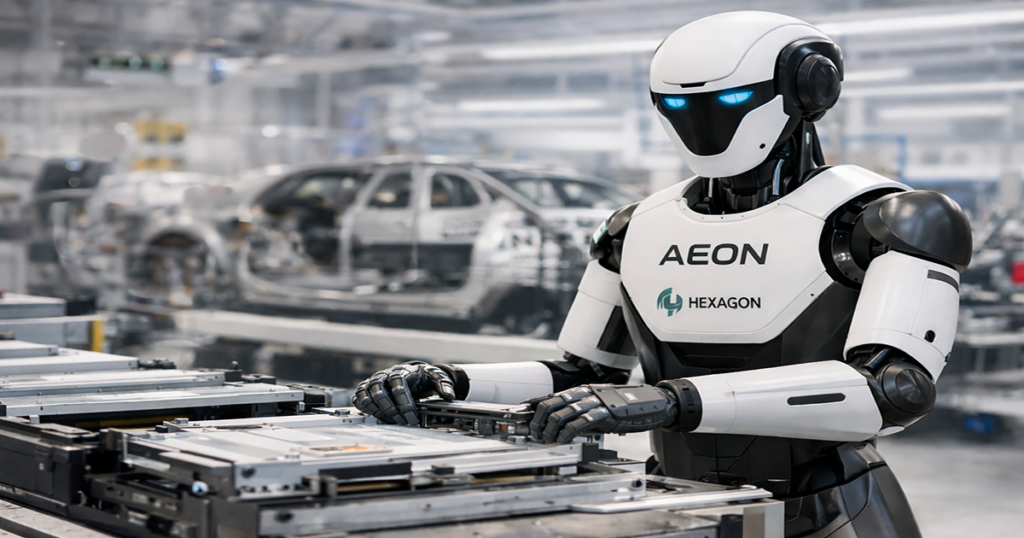
Robotics automation efficiency is a key determinant of industrial productivity. ABB physical AI Simulation enhances this efficiency by enabling detailed analysis of robotic movements, task sequencing, and interaction with other systems. Simulation environments allow engineers to identify potential collisions, optimize motion paths, and reduce cycle times without interrupting production.
AI-driven robotics improving production efficiency is further supported by adaptive learning mechanisms. These systems continuously analyze performance data and adjust operational parameters to maintain optimal efficiency levels. This capability is particularly valuable in high-volume manufacturing environments where even minor inefficiencies can lead to significant cost implications.
Moreover, simulation-based optimization reduces the need for physical prototyping, thereby accelerating deployment timelines. This not only improves factory automation ROI but also enhances the scalability of automation solutions across multiple facilities.
Industrial AI Solutions and Predictive Optimization
Industrial AI solutions embedded within ABB physical AI Simulation enable predictive optimization of manufacturing processes. By analyzing historical and real-time data, these systems can forecast potential disruptions and recommend preventive actions. This predictive capability minimizes downtime and ensures uninterrupted production.
The role of AI-powered factory automation in predictive maintenance is particularly noteworthy. Simulation models can identify wear and tear patterns in machinery, allowing for timely maintenance interventions. This reduces unexpected failures and extends the lifespan of critical equipment, contributing to long-term ROI.
Additionally, the integration of AI with simulation platforms enables continuous improvement cycles. Manufacturers can iteratively refine their processes based on simulation outcomes, ensuring sustained efficiency gains over time. This iterative approach aligns with the principles of smart manufacturing AI, where adaptability and continuous optimization are key drivers of success.
Economic Impact: Measuring Factory Automation ROI
Factory automation ROI is a critical metric for evaluating the success of industrial investments. ABB physical AI Simulation provides a robust framework for quantifying ROI by simulating various cost and performance scenarios. This enables manufacturers to make data-driven decisions regarding automation strategies.
Key factors influencing ROI include reduced operational costs, increased production output, and improved product quality. Simulation-driven insights allow manufacturers to optimize these factors simultaneously, ensuring balanced and sustainable growth. The ability of physical AI improves manufacturing efficiency and ROI is particularly evident in industries with high operational complexity.
Furthermore, the scalability of simulation-based solutions ensures that ROI benefits can be replicated across multiple production sites. This scalability is essential for global enterprises seeking to standardize their automation strategies while maintaining operational flexibility.
Challenges and Considerations in AI Simulation Adoption
While ABB physical AI Simulation offers significant advantages, its implementation requires careful planning and integration. One of the primary challenges is the alignment of simulation models with real-world conditions. Accurate data collection and system calibration are essential for ensuring reliable simulation outcomes.
Another consideration is the integration of legacy systems with modern industrial AI solutions. Many manufacturing facilities operate with outdated infrastructure, which may require significant upgrades to support advanced simulation technologies. However, the long-term benefits of improved efficiency and ROI often justify these initial investments.
Data security and system interoperability are also critical factors. As simulation platforms rely on extensive data exchange, robust cybersecurity measures are necessary to protect sensitive information. Ensuring seamless communication between different systems is equally important for maximizing the effectiveness of AI-powered factory automation.
Future Outlook: The Evolution of Physical AI in Manufacturing
The future of ABB physical AI Simulation is closely tied to advancements in artificial intelligence, machine learning, and edge computing. As these technologies continue to evolve, simulation platforms are expected to become more sophisticated and accessible. This will further enhance the capabilities of smart manufacturing AI and industrial AI solutions.
Emerging trends such as autonomous factories and self-optimizing production systems highlight the growing importance of simulation-driven approaches. AI-driven robotics improving production efficiency will play a central role in these developments, enabling fully automated and adaptive manufacturing environments.
In addition, the integration of simulation platforms with cloud-based systems will facilitate real-time collaboration and data sharing across global operations. This will enable manufacturers to implement standardized automation strategies while maintaining localized flexibility.
Conclusion
ABB physical AI Simulation represents a transformative approach to industrial automation, combining advanced simulation technologies with AI-powered insights to optimize factory automation ROI. By enabling predictive modeling, enhancing robotics automation efficiency, and supporting smart manufacturing AI, this technology addresses the critical challenges of modern manufacturing. The ability of physical AI improves manufacturing efficiency and ROI is increasingly evident as industries adopt simulation-first strategies. With continued advancements in industrial AI solutions, ABB physical AI Simulation is poised to play a pivotal role in shaping the future of manufacturing, driving efficiency, scalability, and innovation across global industrial ecosystems.