English






























































































AW27 Footwear Trends: The Future of Shoes Starts Here

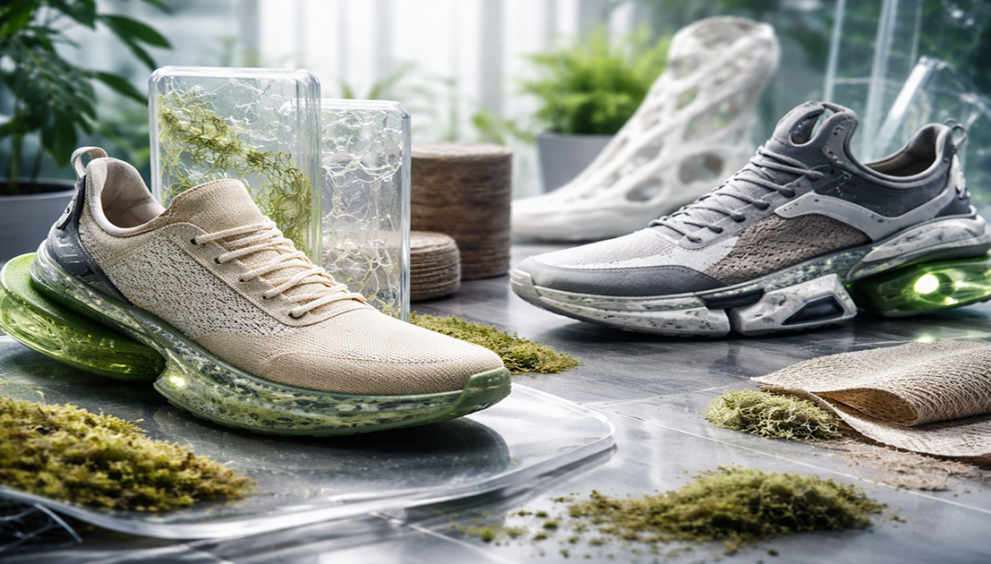
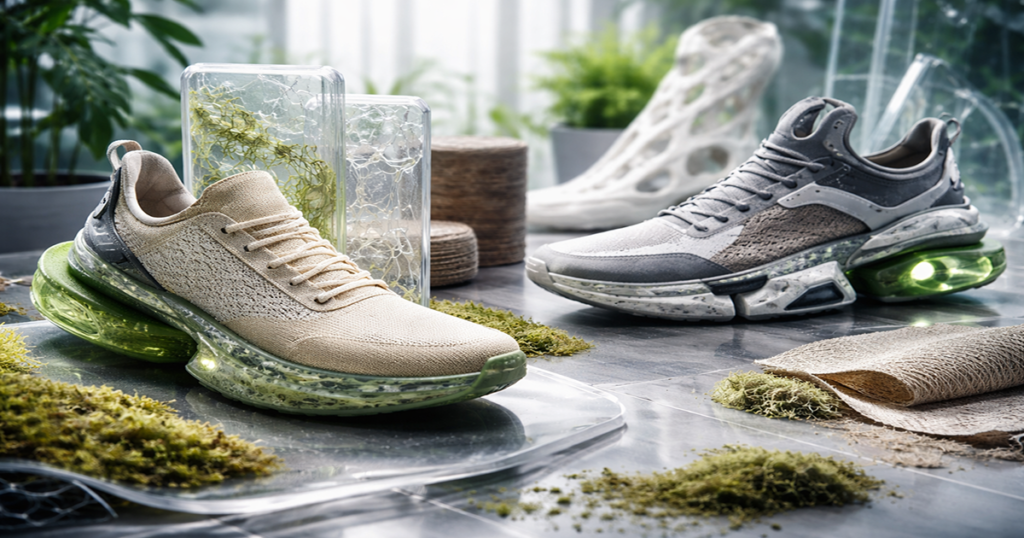
AW27 footwear trends signal a decisive shift toward comfort-driven shoe design, eco-friendly footwear innovation, and advanced material experimentation. The convergence of sensory footwear materials, modular and repairable shoes, and emerging technologies such as 3D printing and hybrid materials is redefining industry standards. As the future of footwear with AI accelerates personalization and performance, the integration of comfort and style in modern footwear design is no longer optional but foundational. These developments position AW27 as a transformative season where functionality, sustainability, and emotional design intersect.
AW27 Footwear Trends: Comfort, Sustainability, and Future Innovation
AW27 footwear trends redefine industry direction by prioritizing comfort-driven shoe design, eco-friendly footwear innovation, and advanced material engineering. As consumer expectations evolve, brands actively integrate sensory footwear materials, modular and repairable shoes, and emerging technologies such as 3D printing and hybrid materials. Consequently, the future of footwear with AI accelerates personalization and performance. In turn, the integration of comfort and style in modern footwear design establishes a new baseline for innovation and usability. The footwear industry now operates within a transformation cycle where design, technology, and sustainability intersect. Traditionally, aesthetics dominated product development; however, brands now emphasize functionality and lifecycle value. As a result, AW27 footwear trends reflect a strategic shift toward long-term usability and environmental responsibility.
Comfort-Driven Shoe Design Takes the Lead
Comfort-driven shoe design now defines competitive advantage across all footwear categories. Designers actively incorporate ergonomic footbeds, responsive cushioning systems, and breathable uppers to improve wearability. Moreover, brands no longer restrict comfort innovations to athletic footwear; instead, they extend these features into formal and lifestyle segments. For instance, hybrid silhouettes combine traditional aesthetics with advanced cushioning technologies. Consequently, loafers, boots, and even heels now deliver enhanced comfort without sacrificing design integrity. Furthermore, the integration of comfort and style in modern footwear design strengthens product appeal across diverse consumer groups. At the same time, digital innovation supports this transition. AI-powered foot scanning and fit algorithms enable brands to deliver highly personalized footwear. Therefore, companies reduce return rates while improving customer satisfaction. This shift demonstrates how technology directly enhances both performance and commercial outcomes.
Sensory Footwear Materials Enhance Experience
Sensory footwear materials actively transform how consumers interact with footwear. Designers now develop materials that regulate temperature, respond to moisture, and adapt to movement. As a result, footwear delivers a more immersive and responsive experience. In addition, brands align sensory innovation with wellness-focused consumer behavior. Footwear now supports posture, reduces fatigue, and enhances long-term comfort. Consequently, materials such as memory foam, adaptive textiles, and gel-based components gain widespread adoption. Meanwhile, designers also refine the visual and tactile aspects of footwear. Textured finishes and layered materials create depth and distinction. Therefore, sensory design not only improves functionality but also elevates aesthetic value.
Modular and Repairable Shoes Drive Longevity
Modular and repairable shoes introduce a fundamental shift in product lifecycle strategy. Instead of encouraging frequent replacement, brands now design footwear with interchangeable components. For example, users can replace soles, insoles, or uppers without discarding the entire product. As a result, this approach significantly reduces waste and supports circular economy principles. Furthermore, modular design enables customization, allowing consumers to adapt footwear to changing needs. Therefore, brands create both environmental and economic value. In addition, repairability strengthens customer relationships. Companies invest in repair services and infrastructure, which increases product lifespan and brand loyalty. Consequently, modular and repairable shoes emerge as a key pillar of sustainable innovation.
Eco-Friendly Footwear Innovation Accelerates
Eco-friendly footwear innovation now operates at the core of AW27 footwear trends. Brands actively adopt sustainable materials such as plant-based leathers, recycled polymers, and biodegradable foams. As a result, products maintain performance while reducing environmental impact. Moreover, manufacturers improve production processes by implementing waterless dyeing, energy-efficient systems, and localized supply chains. Consequently, these changes minimize carbon emissions and resource consumption. At the same time, brands use lifecycle assessments to measure environmental impact. Therefore, they provide transparent data that supports informed purchasing decisions. This shift enhances trust and aligns with increasing regulatory expectations.
The Future of Footwear with AI
The future of footwear with AI continues to reshape design, manufacturing, and retail. Brands leverage AI to analyze trends, optimize production, and personalize customer experiences. As a result, companies respond more effectively to market demand. In product development, AI enables adaptive footwear solutions. For instance, smart insoles and embedded sensors track movement and provide real-time feedback. Consequently, these innovations improve performance, particularly in athletic and healthcare applications. Furthermore, AI enhances digital retail experiences through virtual try-ons and recommendation engines. Therefore, brands reduce friction in the buying journey while increasing conversion rates.
3D Printing and Hybrid Materials Transform Production
3D printing and hybrid materials significantly alter how footwear is produced. Additive manufacturing allows designers to create complex structures with precision and efficiency. As a result, footwear becomes lighter, stronger, and more adaptable. In addition, hybrid materials combine multiple performance characteristics within a single structure. Therefore, designers achieve optimal balance between flexibility, durability, and responsiveness. Moreover, 3D printing supports on-demand production. Consequently, brands reduce inventory costs and minimize overproduction. This approach aligns with both sustainability goals and supply chain efficiency.
Nostalgia Meets Innovation
While technology drives AW27 footwear trends, nostalgia also plays a critical role. Designers reinterpret retro styles using modern materials and construction techniques. As a result, products appeal to both emotional and functional preferences. For example, vintage silhouettes now incorporate advanced cushioning and sustainable materials. Therefore, brands successfully merge heritage aesthetics with contemporary performance. This balance strengthens brand identity while expanding market reach.
Conclusion
AW27 footwear trends mark a decisive evolution in the global footwear industry. Brands actively integrate comfort-driven shoe design, eco-friendly footwear innovation, sensory footwear materials, and advanced technologies such as AI and 3D printing. Consequently, the industry shifts toward sustainability, personalization, and long-term value. Furthermore, modular and repairable shoes redefine product longevity, while the integration of comfort and style in modern footwear design sets new consumer expectations. As a result, companies that embrace these changes will lead the next phase of footwear innovation. Ultimately, AW27 represents more than a seasonal trend cycle. Instead, it establishes a strategic framework that will shape the future of footwear design trends for years to come.