English






























































































Next-Gen Mercedes-AMG GT3 & Black Series Revealed: What to Expect in 2026


The Mercedes-AMG GT is entering a decisive new phase. Mercedes-AMG has confirmed the development of a next-generation GT3 race car along with a new Black Series variant. This move signals a strong commitment to performance innovation. More importantly, it strengthens the connection between motorsport engineering and road-going vehicles. As competition intensifies in the high-performance segment, the Mercedes-AMG GT continues to set new benchmarks.
Mercedes-AMG GT Drives the Next Era of Performance Engineering

The Mercedes-AMG GT has always represented precision engineering and performance excellence. Now, it evolves further to meet modern performance expectations. Manufacturers increasingly focus on lightweight structures, aerodynamic efficiency, and advanced driving dynamics. In response, AMG continues to refine the GT platform with a clear performance-first strategy. Moreover, the integration of motorsport insights plays a critical role. Engineers actively transfer track-tested technologies into production models. As a result, every iteration of the Mercedes-AMG GT becomes more refined and capable. This approach ensures continuous improvement in power delivery, handling, and stability. At the same time, Mercedes-AMG motorsport remains central to this evolution. Racing environments generate valuable data under extreme conditions. Therefore, development teams use this data to enhance road cars. Consequently, the AMG GT platform benefits directly from real-world performance validation.
AMG GT3 Race Car Enhances Motorsport Innovation
The AMG GT3 race car represents a major step forward in performance development. Engineers design it specifically for global GT racing standards. Therefore, it must deliver reliability, endurance, and consistent speed across long races. In addition, the GT3 program acts as a development laboratory. Engineers test new technologies under competitive pressure. Then, they adapt successful innovations for road use. This cycle strengthens both motorsport and production vehicles. Aerodynamics remain a key focus area. Engineers use advanced simulations and wind tunnel testing to optimize airflow. As a result, the GT3 achieves improved downforce and reduced drag. These enhancements increase stability at high speeds. Furthermore, they influence the design of future road models like the AMG Black Series. Notably, the AMG GT racing development strategy ensures continuous improvement. Each racing season contributes valuable insights. Consequently, Mercedes-AMG maintains a competitive edge in global motorsport.
AMG Black Series Represents Peak Road Performance
The AMG Black Series stands as the ultimate expression of performance within the AMG lineup. It combines aggressive design with track-focused engineering. Now, Mercedes-AMG confirms a new generation of this iconic model. The Mercedes-AMG GT Black Series next generation will push performance boundaries further. Engineers focus on reducing weight, improving aerodynamics, and increasing power output. As a result, the vehicle delivers exceptional performance both on track and road. Additionally, aerodynamic elements play a crucial role. Large rear wings, front splitters, and optimized airflow channels enhance stability. These features increase downforce and improve cornering performance. Importantly, they derive directly from the AMG GT3 race car program. At the same time, the powertrain receives significant upgrades. Engineers optimize engine performance for higher output and efficiency. Therefore, the new Black Series aligns with modern performance expectations while maintaining AMG’s signature driving experience.
AMG GT Engineering Reflects Continuous Innovation
Mercedes-AMG follows a holistic approach to engineering. Teams collaborate across design, development, and motorsport divisions. As a result, every component meets strict performance standards. The AMG GT platform benefits from advanced materials like carbon fiber. These materials reduce weight while maintaining structural strength. Consequently, vehicles achieve better acceleration, braking, and handling. Furthermore, digital technologies now play a larger role. Engineers use real-time telemetry and data analytics to monitor performance. This data helps refine systems and improve future models. Therefore, development becomes more precise and efficient. In addition, suspension systems and chassis dynamics receive constant upgrades. Engineers fine-tune these elements for better control and responsiveness. As a result, drivers experience improved stability and precision.
Market Positioning and Commercial Impact
The announcement that Mercedes-AMG confirms new GT Black Series and GT3 models has strong market implications. The Mercedes-AMG GT already holds a premium position in the performance segment. Now, these updates strengthen its competitive advantage. The AMG Black Series attracts enthusiasts and collectors. Its limited production and extreme performance increase its desirability. Consequently, it reinforces AMG’s image as a performance leader. Meanwhile, the AMG GT3 race car strengthens Mercedes-AMG motorsport presence globally. Racing success enhances brand visibility and credibility. Therefore, it indirectly supports the commercial success of road cars. Moreover, this dual strategy connects motorsport and production vehicles. It creates a compelling narrative for customers. Buyers recognize that AMG performance comes from real racing experience.
Informational and Commercial Investigation Insight
From an informational perspective, the Mercedes-AMG GT showcases continuous innovation. It reflects how manufacturers integrate motorsport technologies into road vehicles. This approach ensures that performance improvements remain relevant and practical. From a commercial investigation standpoint, the strategy is equally strong. Mercedes-AMG invests in both racing and production development. This dual investment supports long-term growth and brand positioning. Additionally, the AMG GT platform adapts to changing market demands. Customers expect performance, luxury, and advanced technology. Therefore, AMG continues to evolve its offerings to meet these expectations. Importantly, the Mercedes-AMG GT3 and AMG Black Series models highlight future direction. They demonstrate how performance engineering will evolve in the coming years.
Mercedes-AMG GT Racing Development and Engineering Excellence
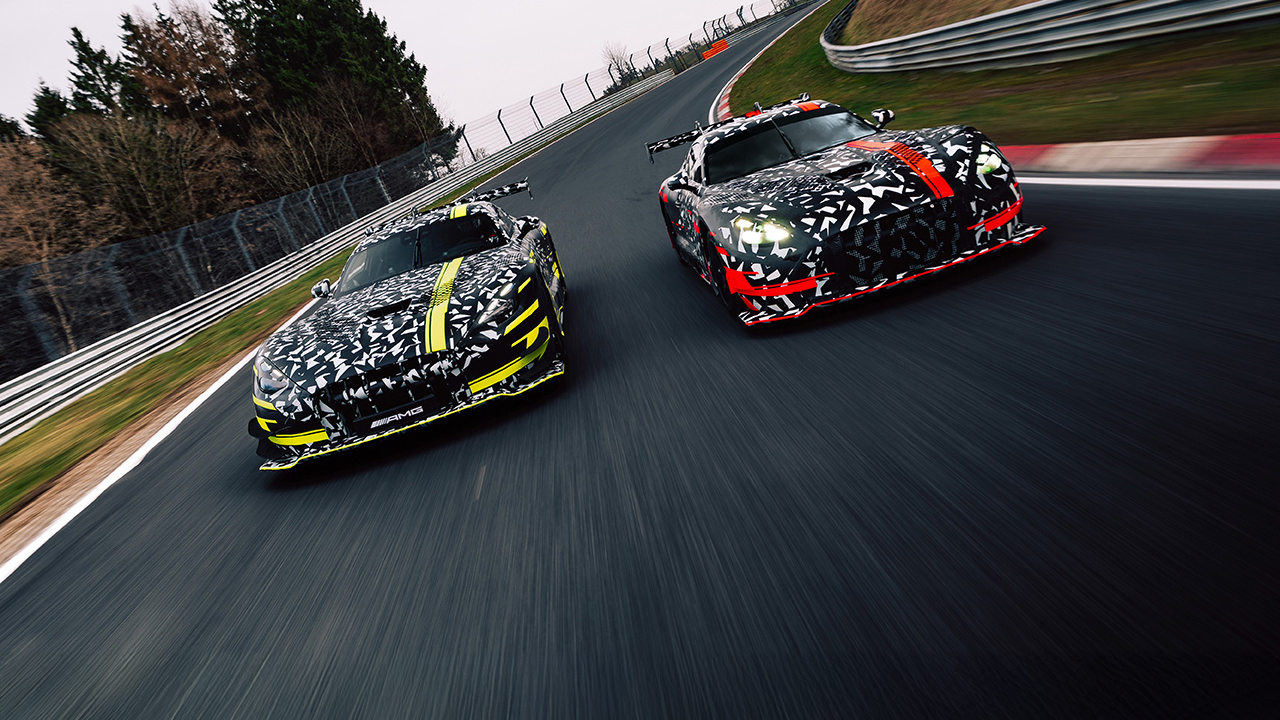
The development of the Mercedes-AMG GT platform is deeply rooted in engineering excellence and continuous innovation. The process involves collaboration between design, engineering, and motorsport teams to ensure that each component meets the highest standards of performance and reliability. This integrated approach allows Mercedes-AMG to deliver vehicles that excel in both competitive racing and everyday driving scenarios. The concept of AMG GT racing development extends beyond individual models, encompassing a holistic approach to performance engineering. This includes advancements in chassis dynamics, suspension systems, and electronic control systems. By optimizing these elements, Mercedes-AMG ensures that the GT platform remains at the forefront of high-performance automotive technology. The use of lightweight materials such as carbon fiber plays a crucial role in enhancing performance. Reducing weight while maintaining structural integrity allows for improved acceleration, braking, and handling. These benefits are particularly important in racing environments, where every fraction of a second can determine the outcome of a competition.
Conclusion: Mercedes-AMG GT Sets a New Benchmark
The Mercedes-AMG GT enters a new era defined by innovation and performance. The introduction of the AMG GT3 race car and the next-generation Black Series marks a significant milestone. These developments highlight the importance of motorsport-driven engineering. Furthermore, the integration of racing technologies into production vehicles ensures continuous improvement. Mercedes-AMG maintains its leadership by focusing on performance, precision, and innovation. Ultimately, the Mercedes-AMG GT remains a benchmark in the high-performance segment. It combines engineering excellence with motorsport heritage. As a result, it continues to shape the future of performance cars.