English




























































Claude AI Agent Can Now Use Computers: A Game-Changer in AI Automation

The emergence of the Claude AI Agent marks a significant shift in artificial intelligence, where systems move beyond generating text to actively performing tasks on computers. Anthropic Claude AI introduces a new paradigm in which AI agents interact directly with desktop environments, execute workflows, and complete complex operations autonomously. As AI Agent Automation advances, the ability of systems to function as digital operators signals a transformation in productivity, enterprise workflows, and human-machine interaction. This development positions Claude AI Agent at the forefront of a rapidly evolving technological landscape.
Claude AI Agent and the Evolution of Autonomous AI Systems

The Claude AI Agent represents a new phase in artificial intelligence, where systems transition from passive tools to active participants in digital workflows. Traditional AI models focused primarily on generating responses or analyzing data. However, the introduction of AI agents capable of interacting with computer systems changes the scope of what artificial intelligence can achieve. Anthropic Claude AI plays a critical role in this evolution by enabling AI systems to operate within real computing environments. Instead of relying solely on APIs or predefined integrations, these agents interact directly with graphical user interfaces, execute commands, and manage workflows. Consequently, the boundaries between human-operated and machine-operated tasks begin to blur. This shift toward Autonomous AI Agents reflects broader industry trends. Organizations increasingly seek solutions that automate repetitive processes while maintaining accuracy and efficiency. As a result, AI agents become valuable assets in enhancing productivity and reducing operational complexity.
Anthropic Claude AI and Computer-Based Task Execution
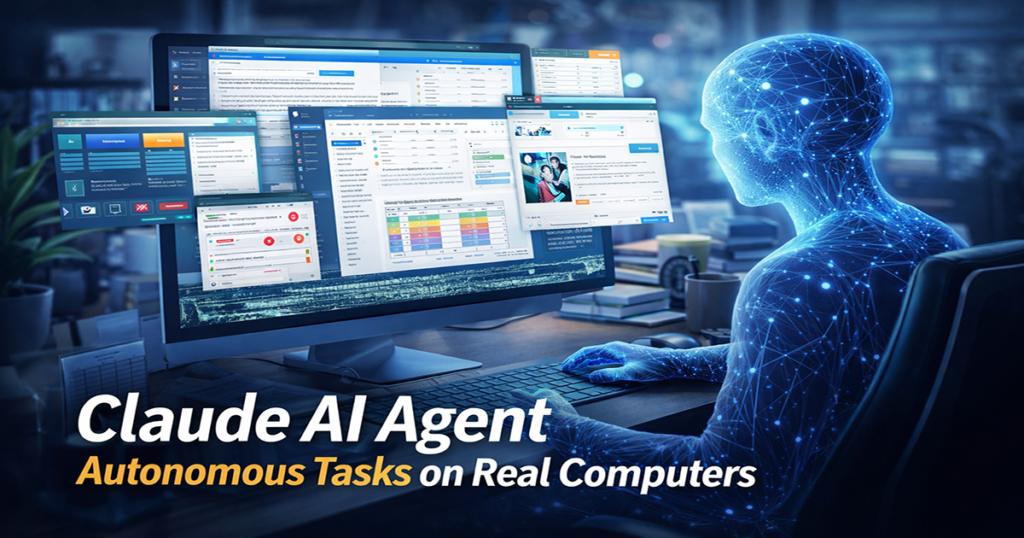
Anthropic Claude AI introduces the capability for AI systems to use computers as tools for task execution. This approach allows the Claude AI Agent to navigate applications, input data, and perform operations that traditionally required human intervention. By simulating user interactions, the agent can complete tasks across various software environments. The concept of a Claude AI Computer highlights the integration of AI with everyday digital tools. Instead of building separate systems for each task, the AI agent operates within existing infrastructures. Therefore, organizations can leverage current software ecosystems without significant modifications. This capability extends to Claude AI Task Automation, where the agent manages workflows such as data entry, report generation, and system monitoring. These tasks, often repetitive and time-consuming, benefit significantly from automation. Consequently, businesses can allocate resources more efficiently and focus on strategic activities.
AI Agent Automation and the Rise of Intelligent Workflows
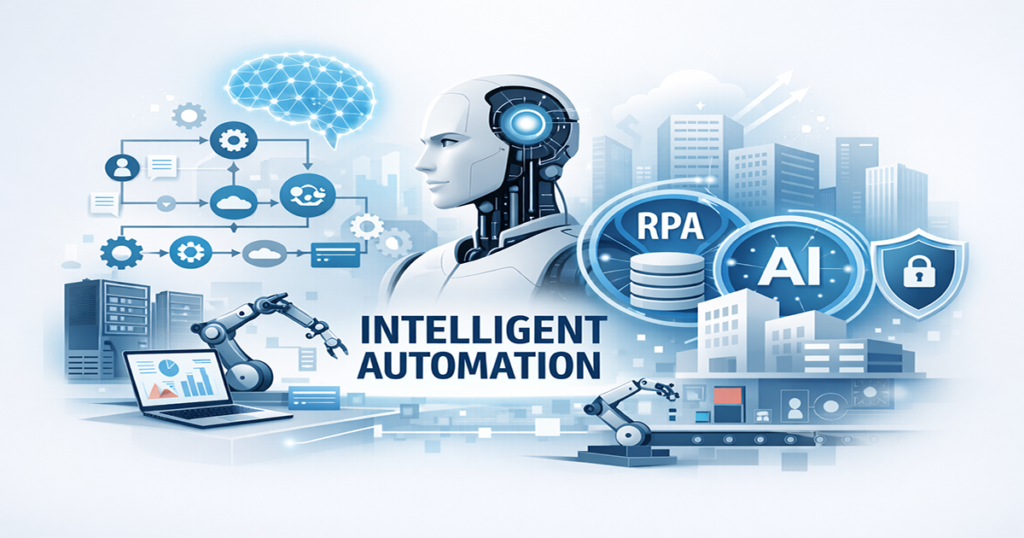
AI Agent Automation represents a transformative approach to managing digital workflows. The Claude AI Agent exemplifies this trend by enabling systems to execute tasks autonomously while adapting to changing conditions. Unlike traditional automation tools that rely on predefined scripts, AI agents use contextual understanding to make decisions in real time. This adaptability is particularly important in complex environments where workflows vary. For instance, AI agents can interpret instructions, adjust actions based on feedback, and complete multi-step processes without constant supervision. As a result, automation becomes more flexible and scalable. Furthermore, AI Agents using Computers demonstrate the ability to interact with multiple applications simultaneously. This capability enhances efficiency by reducing the need for manual coordination between systems. Consequently, organizations can streamline operations and improve overall performance.
Real-World Applications of Claude AI Agent in Enterprise Environments
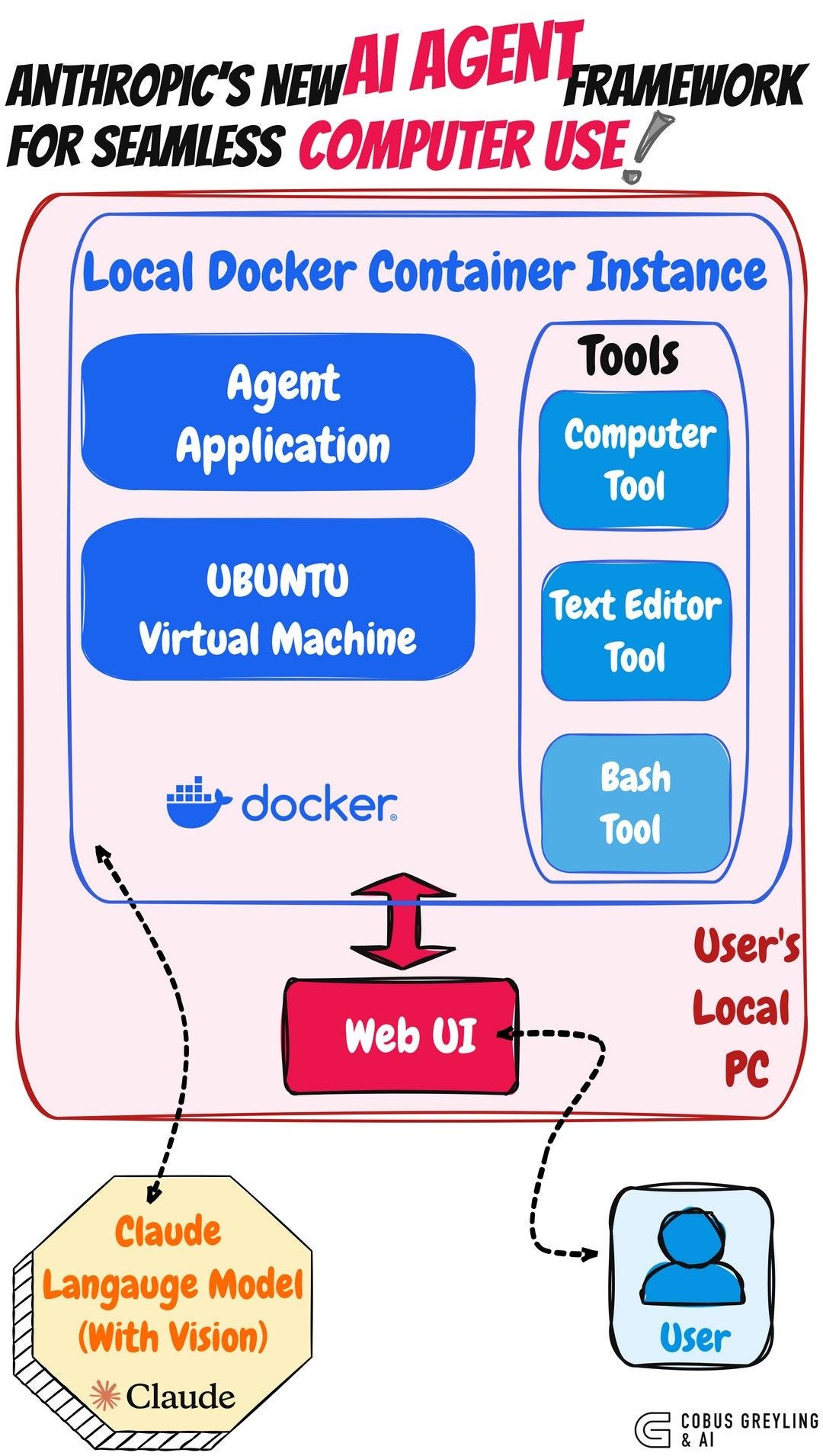
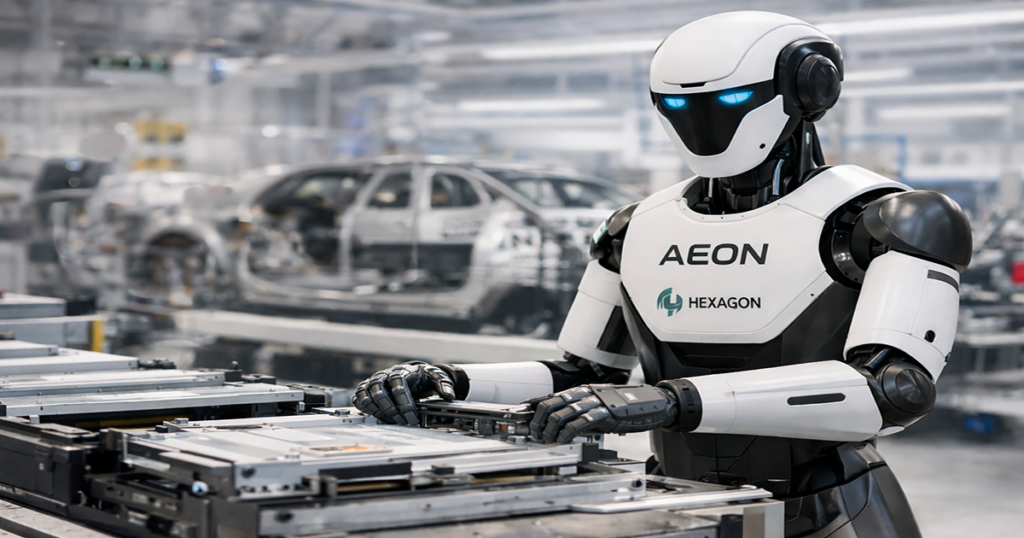
The deployment of the Claude AI Agent in enterprise environments highlights its practical value. Businesses across industries are exploring how AI agents can optimize operations and reduce costs. From customer service to data management, the applications are diverse and impactful. One key area of implementation involves process automation. The Claude AI Agent can handle repetitive tasks such as form submissions, data extraction, and system updates. By automating these processes, organizations reduce the risk of errors and improve consistency. In addition, AI agents contribute to decision-making processes. By analyzing data and executing tasks based on insights, they support more informed and timely decisions. This capability enhances operational efficiency and drives better outcomes. The concept of AI agents like Claude performing real-world tasks on desktops underscores the potential for widespread adoption. As technology continues to advance, the integration of AI into everyday workflows becomes increasingly feasible.
Informational and Commercial Investigation Perspective
From an informational perspective, the Claude AI Agent demonstrates how artificial intelligence evolves from passive assistance to active execution. This transition reflects advancements in machine learning, natural language processing, and system integration. The ability to operate within real computing environments represents a significant milestone in AI development. From a commercial investigation standpoint, the introduction of AI agents presents new opportunities and challenges. Organizations must evaluate the cost-benefit ratio of implementing such technologies, considering factors such as efficiency gains, scalability, and security. The potential for automation to reduce operational costs makes AI agents an attractive investment. Moreover, the competitive landscape is likely to intensify as more companies adopt AI-driven solutions. The success of Anthropic Claude AI may influence the development of similar technologies, leading to increased innovation and competition in the market.
Challenges and Considerations in AI Agent Deployment
While the Claude AI Agent offers significant advantages, its deployment also raises important considerations. Security remains a primary concern, as AI agents require access to sensitive data and systems. Organizations must implement robust safeguards to protect against unauthorized access and potential vulnerabilities. Additionally, ethical considerations play a crucial role. The use of Autonomous AI Agents must align with regulatory standards and ensure transparency in decision-making processes. Maintaining accountability is essential to building trust in AI systems. Furthermore, the integration of AI agents into existing workflows requires careful planning. Organizations must assess compatibility with current systems and ensure that employees are equipped to work alongside AI technologies. Therefore, successful implementation depends on a combination of technical expertise and strategic planning.
The Future of AI Agents and Digital Transformation
The development of the Claude AI Agent signals the beginning of a new era in digital transformation. As AI technologies continue to evolve, the capabilities of autonomous agents are expected to expand significantly. Future iterations may incorporate advanced reasoning, improved adaptability, and enhanced interaction with complex systems. The concept of Anthropic Claude AI agent uses computer represents a shift toward more integrated and versatile AI solutions. By enabling systems to operate within real-world environments, this approach enhances the practical value of artificial intelligence. In the long term, AI agents may become integral components of organizational infrastructure. Their ability to automate tasks, analyze data, and support decision-making positions them as key drivers of efficiency and innovation.
Conclusion: Claude AI Agent Redefines Automation and Productivity
The Claude AI Agent represents a transformative advancement in artificial intelligence, bridging the gap between digital assistance and autonomous execution. By enabling AI systems to interact with computers and perform real-world tasks, Anthropic Claude AI introduces a new paradigm in automation. This development has significant implications for both informational understanding and commercial strategy. As organizations explore the potential of AI Agent Automation, the role of autonomous systems in shaping the future of work becomes increasingly evident. Ultimately, the Claude AI Agent stands at the forefront of this transformation, offering a glimpse into a future where intelligent systems seamlessly integrate with everyday workflows and redefine productivity standards.