English















































































Automation 2.0: The Rise of Humanoid Robots in Modern Workplaces

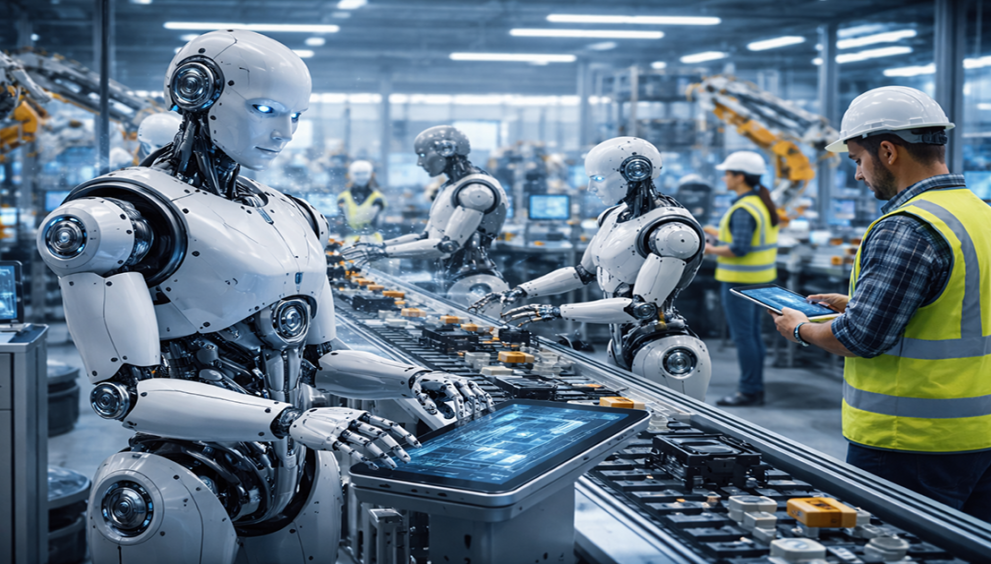
Humanoid robots now play a central role in workforce automation. Industries no longer view them as experimental tools. Companies deploy them to improve efficiency, reduce costs, and enhance productivity. This shift signals a major change in how organizations approach labor and automation.
Technology Behind Humanoid Robots
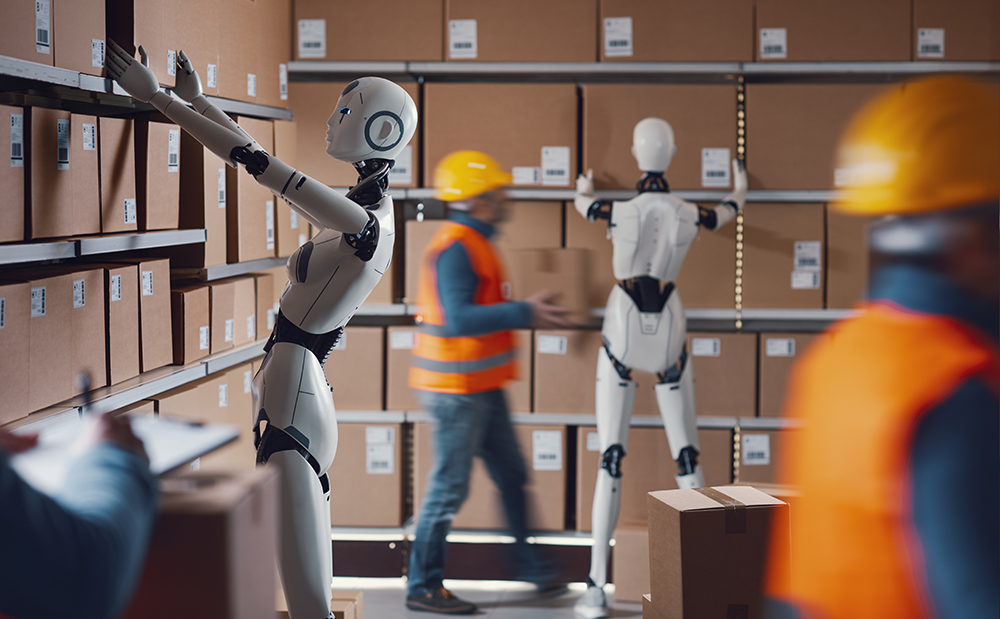
Advanced engineering powers modern humanoid robots. Developers combine artificial intelligence, sensors, and biomechanics to replicate human actions. These systems walk, lift, analyze, and respond in real time. AI robots in workplace automation rely on computer vision and machine learning. These technologies allow robots to recognize objects and make decisions quickly. Natural language processing enables basic communication with human workers. Engineers design humanoid robots to fit human environments. Factories, warehouses, and offices require minimal redesign. This compatibility increases adoption speed across industries.
Humanoid Robots Workforce: A Structural Shift
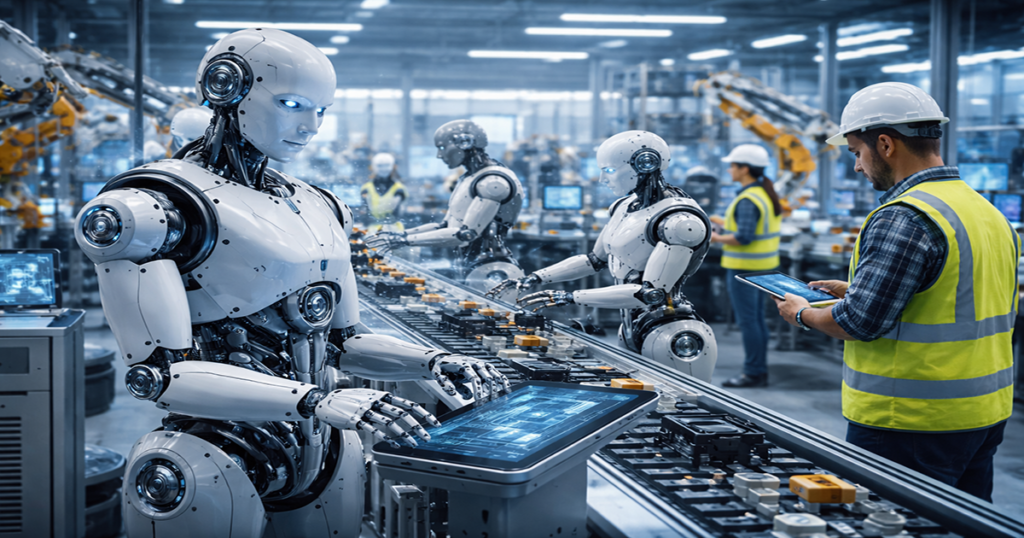
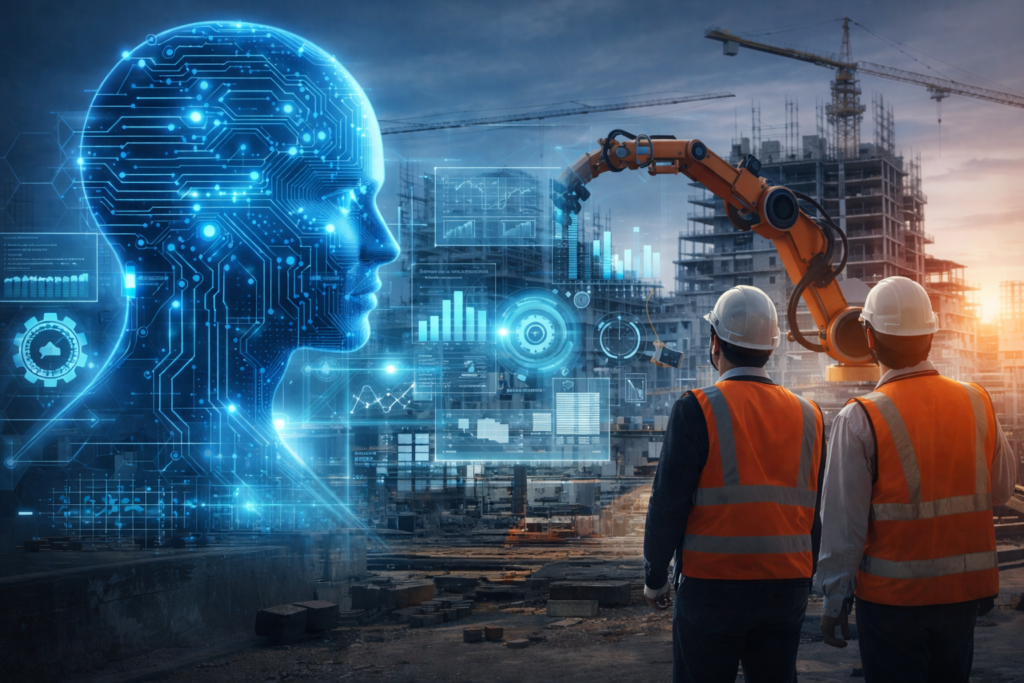
Organizations now build hybrid workforce models. Human workers and humanoid robots operate together in shared environments. This model increases output without proportional hiring. Companies assign repetitive and risky tasks to robots. Human workers focus on supervision, planning, and innovation. This shift improves efficiency and reduces workplace injuries. The humanoid robots workforce also changes skill demand. Industries now require robotics engineers, AI specialists, and system operators. Training programs continue to evolve to meet these needs.
AI Robots in Workplace Automation
AI robots in workplace automation continue to expand their capabilities. These systems no longer perform simple tasks. They now handle complex workflows and adapt to changing conditions. Manufacturing units use humanoid robots for assembly and inspection. Logistics companies deploy them for sorting and inventory management. Service sectors begin testing them for customer interaction. Continuous learning improves robot performance. AI models analyze data and refine actions over time. This process increases accuracy and reduces operational errors.
Human Robot Collaboration in Industry
Human robot collaboration in industry defines the next phase of automation. Robots no longer replace workers. Instead, they support and enhance human performance. Teams divide tasks based on strengths. Robots handle precision and repetition. Humans manage creativity and decision-making. This balance creates efficient workflows. Modern humanoid robots include advanced safety systems. Sensors detect movement and prevent collisions. These features ensure safe interaction in shared workspaces. The evolution of human robot collaboration in industry continues to accelerate. Organizations invest heavily in collaborative technologies to stay competitive.
Humanoid Robots in Manufacturing
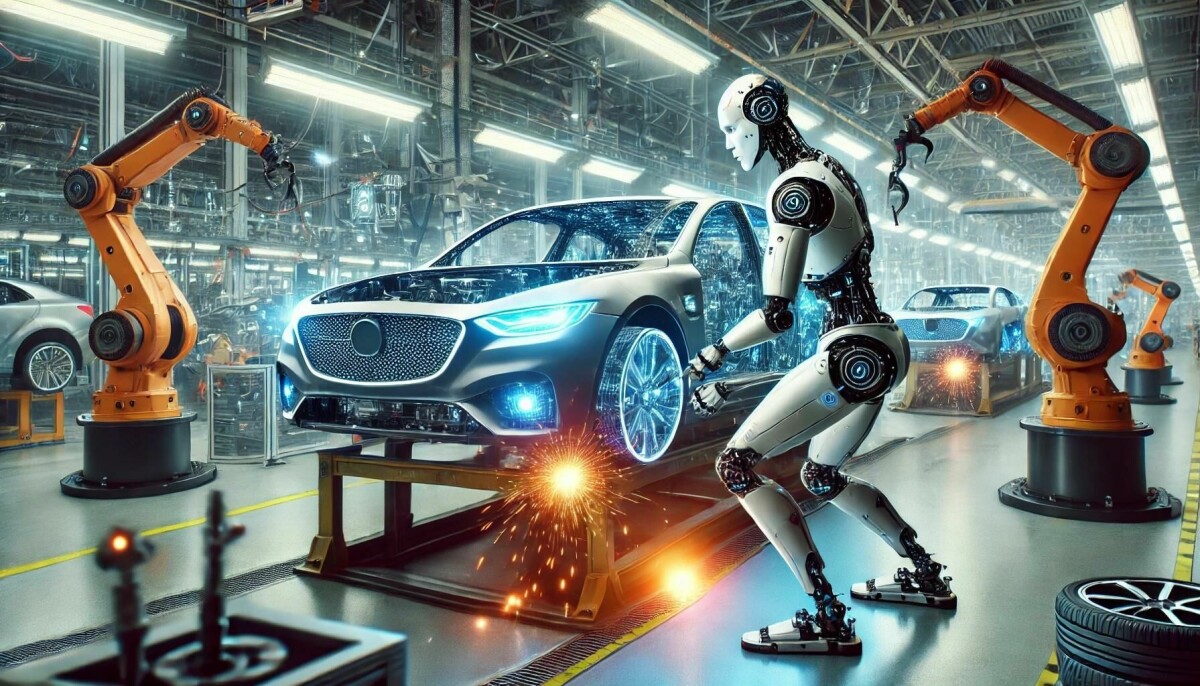
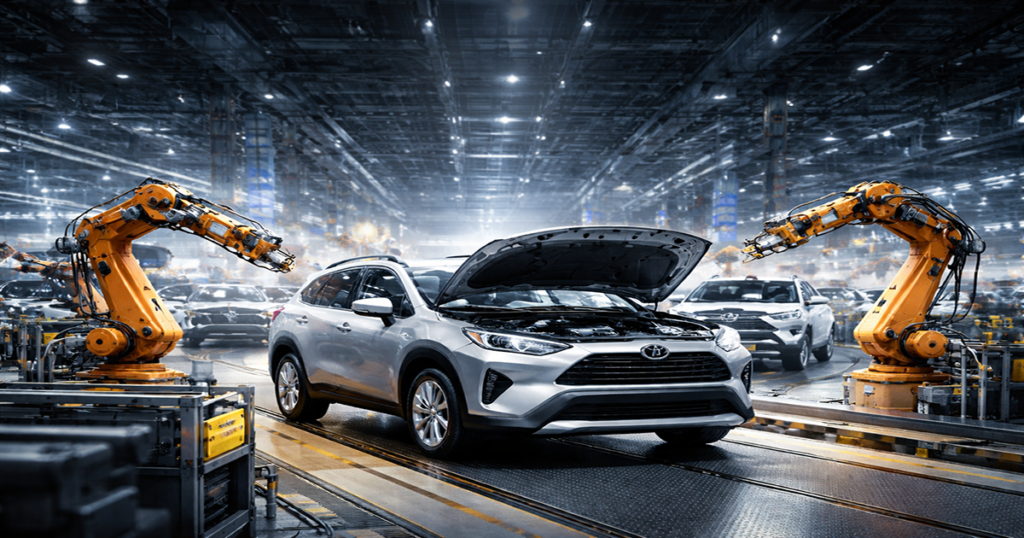
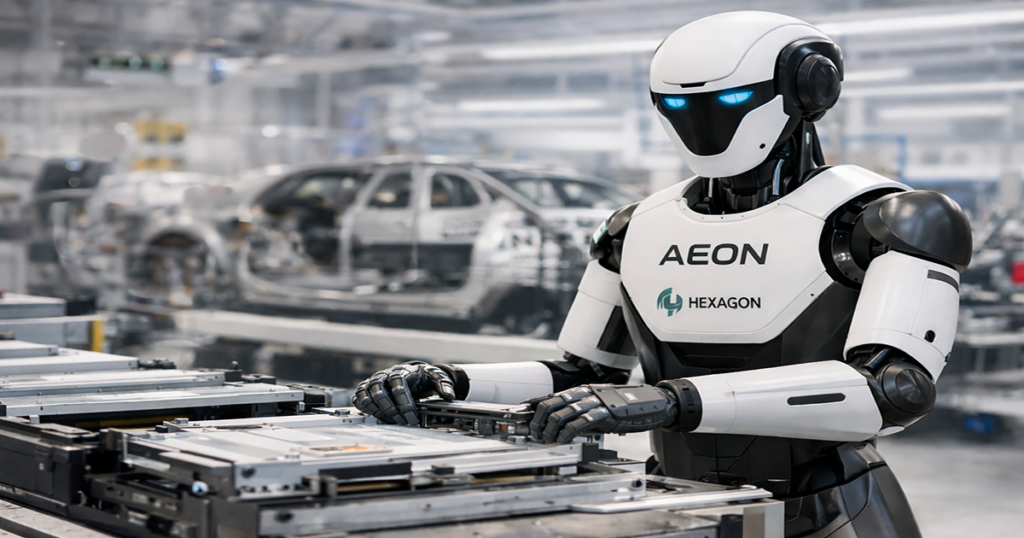
Humanoid robots in manufacturing introduce flexibility into production systems. Traditional robots remain fixed in position. Humanoid robots move freely and perform multiple tasks. Factories use these robots to reduce downtime. They also improve product quality through consistent performance. Real-time adjustments allow faster response to production changes. Smart factories depend on interconnected systems. Humanoid robots integrate seamlessly into these environments. They contribute to data-driven decision-making and process optimization.
AI-Driven Workforce Transformation
AI-driven workforce transformation reshapes organizational strategies. Companies now focus on integrating technology with human talent. This approach ensures long-term sustainability. Leaders invest in reskilling programs to prepare employees. Workers learn how to operate and manage robotic systems. This transition supports smoother adoption. The role of AI-powered humanoid robots in workplace automation continues to grow. These systems assist in both operational and strategic functions. Data analysis and predictive insights improve decision-making.
Economic Impact and Industry Growth
Humanoid robots drive measurable economic benefits. Companies achieve higher productivity and lower operational costs. These advantages improve global competitiveness. Emerging markets adopt humanoid robots to address labor shortages. Developed economies use them to maintain efficiency. Both scenarios highlight the global relevance of this technology. New industries also emerge around robotics. Businesses focus on maintenance, software development, and AI training. These opportunities create new employment pathways.
Challenges in Adoption
Despite rapid growth, challenges remain. High costs limit adoption for smaller businesses. Infrastructure upgrades require additional investment. Technical limitations still exist. Robots struggle with unpredictable environments and complex reasoning. Battery life and energy efficiency also require improvement. Public perception influences adoption speed. Concerns about job displacement continue to rise. Organizations must address these issues through transparent communication.
Future Outlook of Humanoid Robots
The next decade will define the role of humanoid robots in workplace automation. Advancements in AI and robotics will improve performance and reduce costs. Adoption rates will increase across industries. Service sectors will begin large-scale deployment. Healthcare, retail, and hospitality will integrate humanoid robots into daily operations. These changes will redefine customer experiences. The role of AI-powered humanoid robots in workplace automation will expand further. These systems will support complex decision-making and strategic planning. The evolution of human robot collaboration will remain central to this transformation. Organizations that adapt early will gain a competitive advantage.
Conclusion
Humanoid robots continue to reshape the global workforce. Their integration drives efficiency, innovation, and economic growth. Industries now rely on AI robots in workplace automation to remain competitive. Human workers and robots will coexist in future workplaces. Collaboration, not replacement, defines this transition. The success of this model depends on balanced implementation and continuous innovation. Humanoid robots have moved beyond concept. They now represent a critical component of modern industry and workforce transformation.