English






















































































What Are Hard Popsicle Drinks? Inside Tilray & Magnum’s New RTD Launch

The emergence of hard popsicle drinks marks a significant evolution in the ready-to-drink alcohol segment. Increasingly, beverage companies are blending nostalgia with innovation, introducing non-carbonated, flavor-forward products designed for modern consumers. According to recent industry coverage by Food Dive, brands such as Tilray Brands and Magnum Ice Cream are leading this transformation. Consequently, alcoholic popsicle beverages now occupy a unique position at the intersection of indulgence, convenience, and experiential consumption, signaling a broader shift in how consumers engage with alcohol.
Hard Popsicle Drinks: The Rise of a Nostalgic Alcohol Category
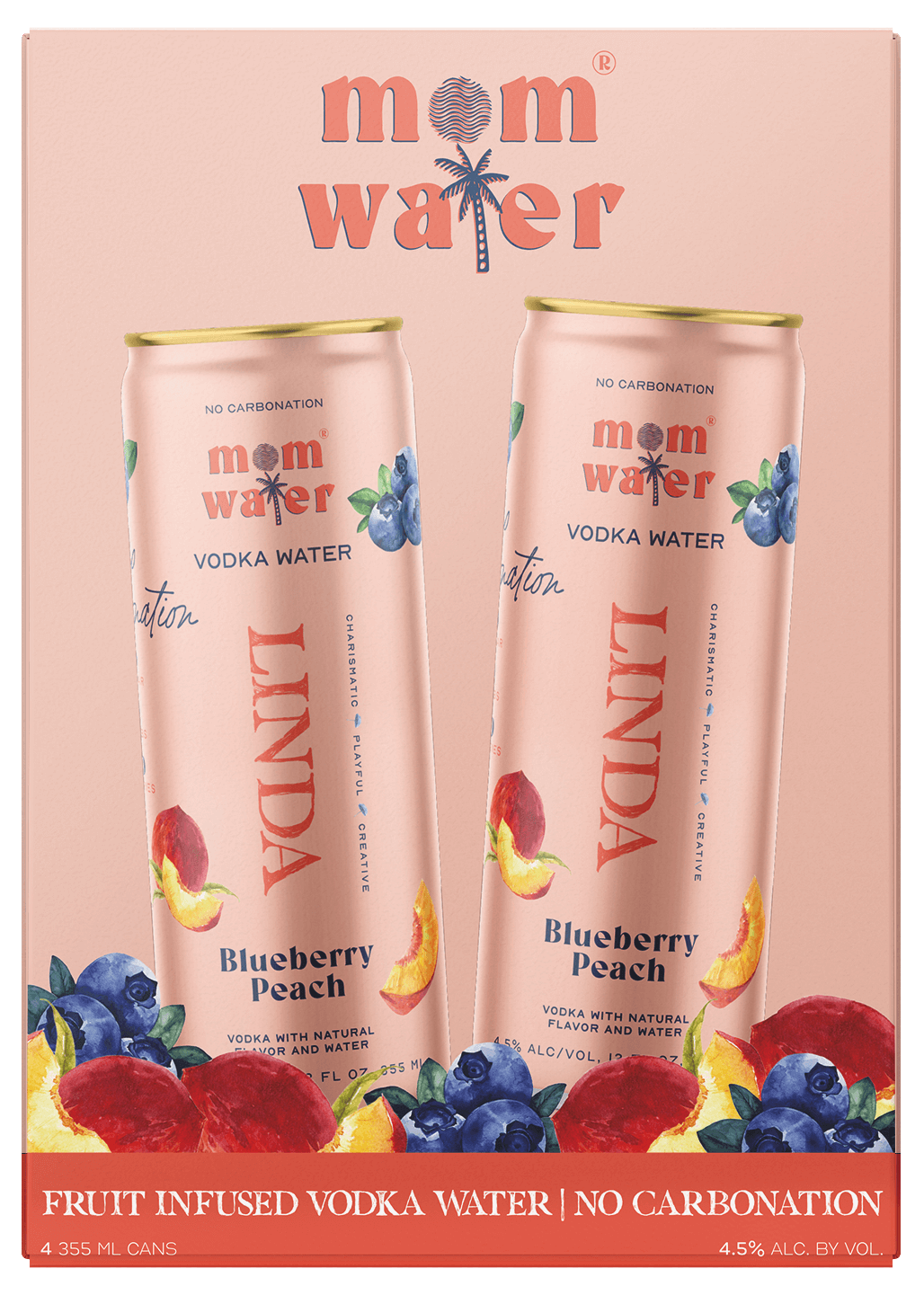
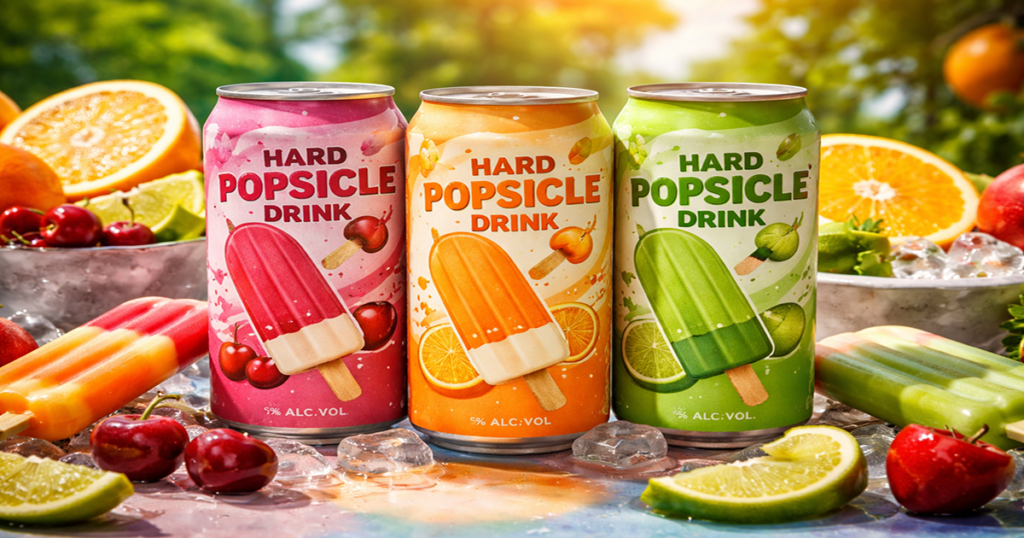
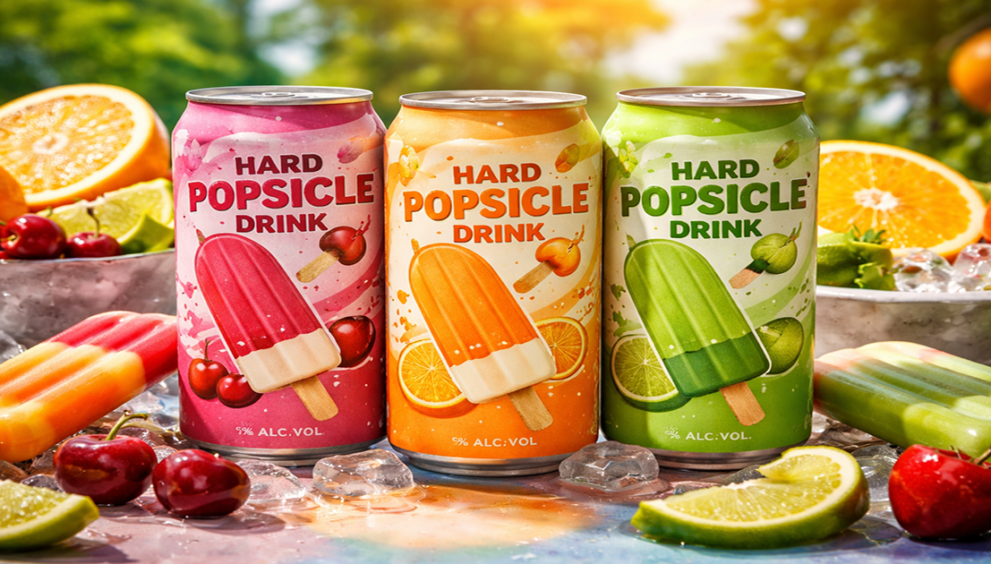
Hard popsicle drinks have rapidly gained traction within the global beverage market. Initially, the RTD segment focused heavily on carbonated seltzers and canned cocktails. However, the market has begun shifting toward non-carbonated alternatives that deliver smoother drinking experiences. As a result, alcoholic popsicle beverages now appeal to consumers seeking both flavor intensity and novelty. Furthermore, these products leverage nostalgia as a powerful emotional trigger. Classic popsicle flavors such as orange, cherry, and grape now appear in alcoholic formats, creating familiarity while introducing an adult twist. Therefore, brands successfully bridge generational preferences with contemporary consumption trends.
Market Evolution: From Hard Seltzers to Hard Popsicle Drinks
Over the past decade, the RTD alcohol category has undergone substantial transformation. Initially dominated by hard seltzers, the market has matured into a diverse ecosystem of flavored alcoholic beverages. In contrast to carbonated options, hard popsicle drinks provide a smoother, juice-like profile. Moreover, this shift aligns with changing consumer expectations. Many consumers now prefer beverages that feel less artificial and more indulgent. Consequently, non-carbonated alcoholic popsicle drinks in cans have emerged as a compelling alternative. At the same time, innovation within flavor engineering has enabled brands to replicate authentic popsicle tastes. This capability significantly enhances product differentiation and consumer engagement.
Tilray Hard Popsicle Drinks: Strategic Expansion into RTD
A key driver of this trend involves Tilray Brands, which has expanded aggressively into the beverage space. Notably, Tilray hard popsicle drinks represent a strategic move to capture a growing segment of experiential alcohol consumers. These alcoholic popsicle drinks with 5% ABV by Tilray emphasize balance and accessibility. Instead of overwhelming consumers with high alcohol content, the brand prioritizes sessionable beverages that align with casual consumption occasions. Additionally, Tilray RTD beverages inspired by classic popsicle flavors highlight a deliberate focus on nostalgia. This approach not only differentiates the product but also enhances brand recall. As a result, Tilray positions itself as both innovative and consumer-centric.
Magnum Alcoholic Ice Cream Drinks: Premiumization of Indulgence

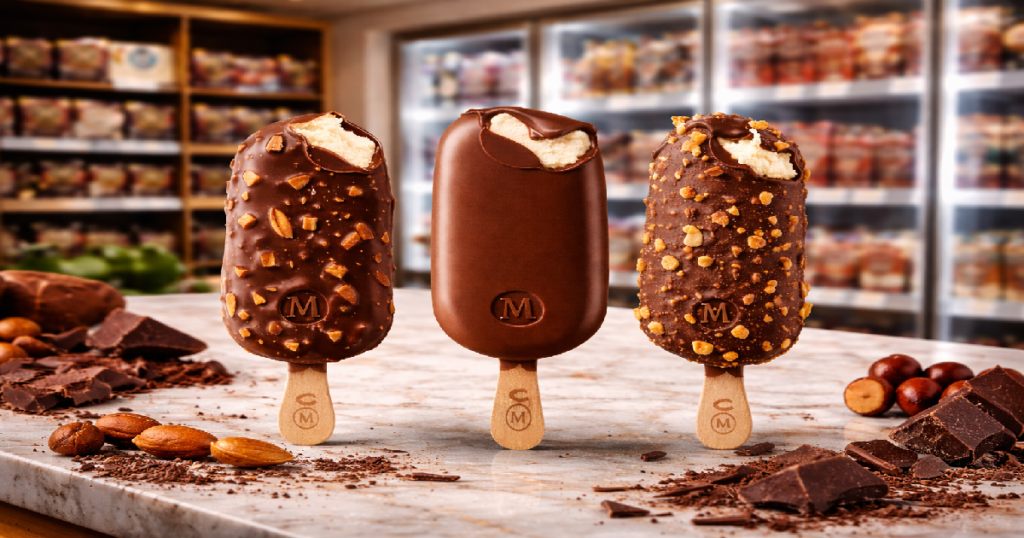
Simultaneously, Magnum Ice Cream has entered the alcoholic beverage space through Magnum alcoholic ice cream drinks. This development reflects a broader trend toward premiumization within the RTD market. Unlike traditional RTD products, Magnum ice cream drinks emphasize indulgence and luxury. Rich textures and dessert-inspired flavors create a distinctive consumption experience. Consequently, these products appeal to consumers seeking more than just refreshment. Furthermore, the Magnum ice cream drinks launch underscores the convergence of food and beverage categories. This convergence expands market possibilities and introduces new consumption occasions.
Flavor Innovation and Consumer Psychology
Flavor plays a central role in the success of hard popsicle drinks. Nostalgic flavored alcoholic drinks tap into emotional memory, creating instant familiarity. At the same time, they introduce novelty through alcohol infusion. Importantly, this combination drives higher trial rates. Consumers often gravitate toward recognizable flavors, especially when presented in a new format. Therefore, brands that successfully balance nostalgia and innovation achieve stronger market penetration. In addition, non-carbonated formats enhance flavor perception. Without carbonation, flavors remain more pronounced and less diluted. As a result, the drinking experience becomes smoother and more satisfying.
Commercial Investigation: Market Opportunity and Growth Potential
From a commercial perspective, hard popsicle drinks represent a high-growth segment within the RTD market. Several factors contribute to this growth trajectory. First, the global demand for ready-to-drink beverages continues to rise. Consumers increasingly prioritize convenience, portability, and consistency. Consequently, canned alcoholic popsicle beverages align perfectly with these preferences. Second, younger demographics drive demand for experiential products. These consumers value novelty, aesthetics, and shareability. Therefore, visually appealing and flavor-rich products gain traction quickly. Third, the expansion of distribution channels enhances accessibility. Retailers, e-commerce platforms, and on-premise venues now actively promote innovative RTD products. As a result, market penetration accelerates.
Competitive Landscape
The competitive landscape for hard popsicle drinks continues to evolve. While early entrants such as Tilray Brands establish market presence, new players are expected to follow. Moreover, established beverage companies may enter this segment to diversify portfolios. This potential entry increases competition but also validates the category’s viability. In addition, differentiation will depend on flavor innovation, branding, and distribution strategies. Companies that excel in these areas will likely capture significant market share.
Consumer Trends Driving Adoption
Several consumer trends support the growth of alcoholic popsicle beverages. First, health-conscious consumers increasingly prefer lower alcohol content options. Therefore, products with moderate ABV levels gain popularity. Next, the demand for non-carbonated beverages continues to rise. Many consumers seek alternatives to fizzy drinks, particularly for casual or extended consumption. Finally, nostalgia-driven marketing resonates strongly across demographics. By evoking childhood memories, brands create emotional connections that drive purchasing decisions.
Future Outlook: The Next Phase of RTD Innovation
Looking ahead, hard popsicle drinks are expected to play a pivotal role in the evolution of the RTD category. As innovation accelerates, brands will likely explore new flavor combinations, packaging formats, and distribution models. Moreover, collaborations between beverage and food brands will increase. This trend will further blur category boundaries and create new consumption experiences. Ultimately, the continued success of this segment will depend on sustained innovation and consumer engagement. Companies that adapt quickly will maintain competitive advantage.
Conclusion
Hard popsicle drinks represent more than a passing trend; they signify a structural shift in the RTD alcohol market. By combining nostalgia, flavor innovation, and convenience, these products redefine consumer expectations. As highlighted by Food Dive, industry leaders such as Tilray Brands and Magnum Ice Cream are driving this transformation. Consequently, the category is poised for sustained growth and continued innovation.