English





































































Why AI Demand Is Fueling Massive Data Center Expansion Worldwide

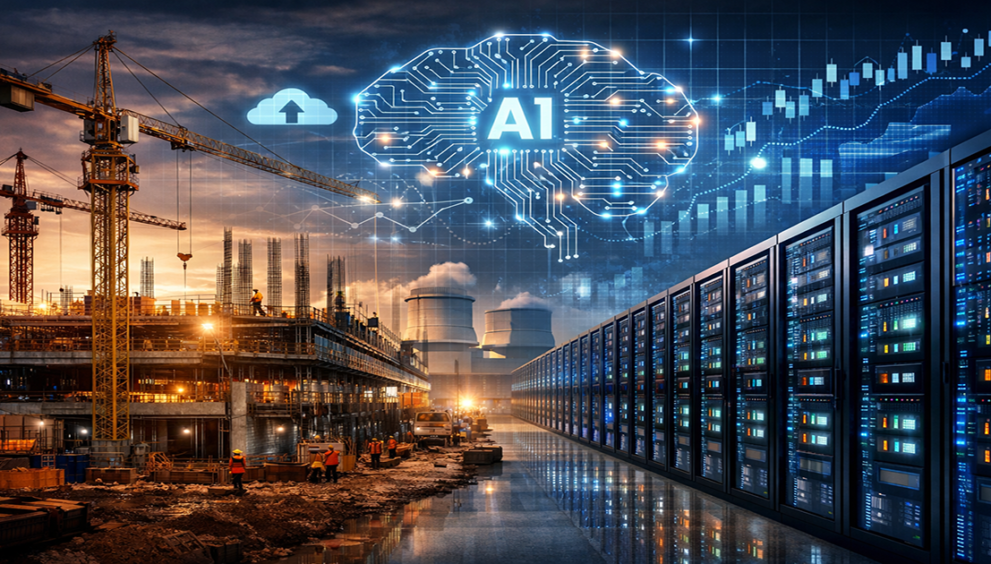
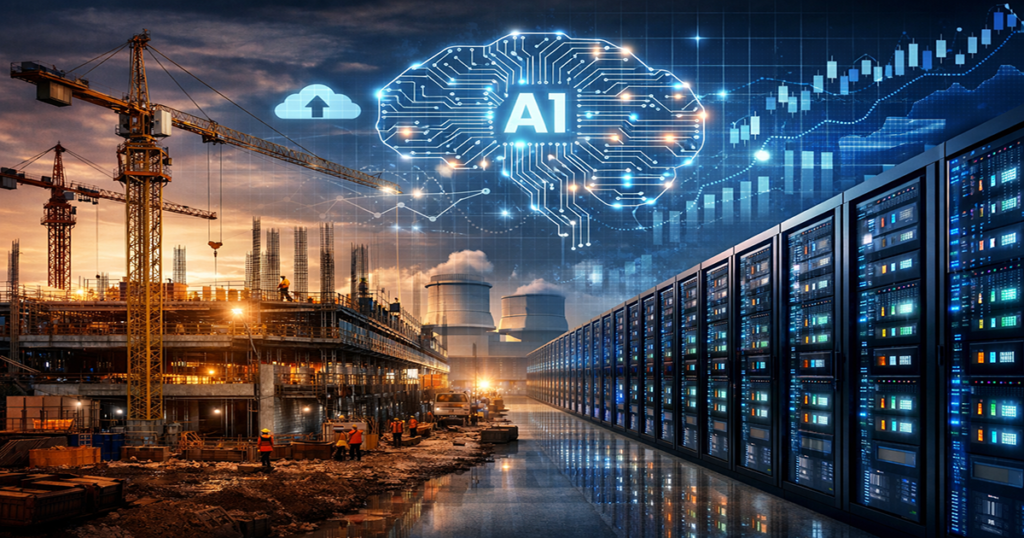
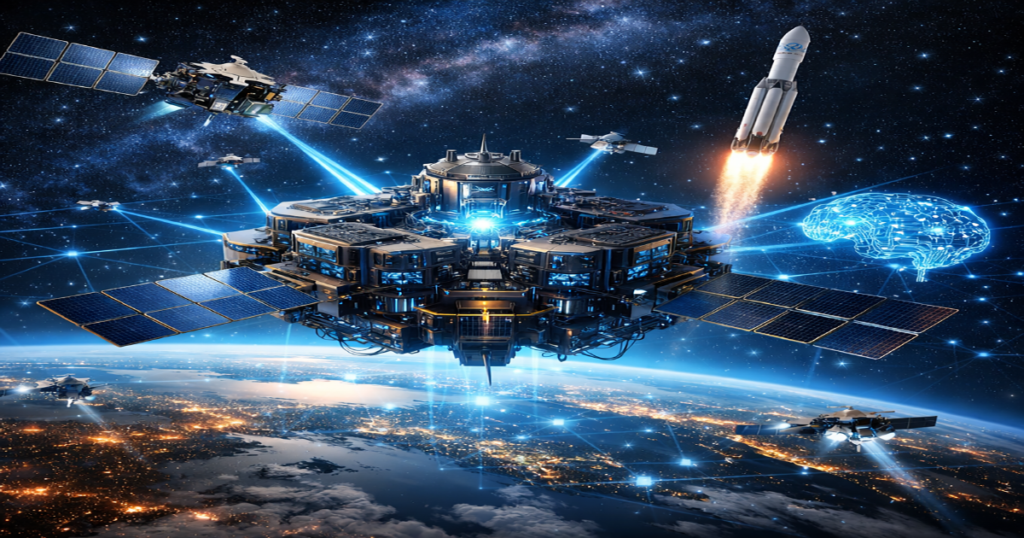
AI Impact on Data Center Construction is redefining how organizations design, finance, and deploy digital infrastructure. Artificial intelligence workloads now demand high-performance environments that support massive compute density and rapid scalability. This surge forces developers to rethink traditional construction models and adopt new architectural strategies. Instead of incremental upgrades, the industry now moves toward purpose-built facilities optimized for AI workloads. As a result, investment patterns, energy planning, and infrastructure design continue to evolve at an accelerated pace.
The Rise of AI-Driven Data Center Growth and Global Expansion
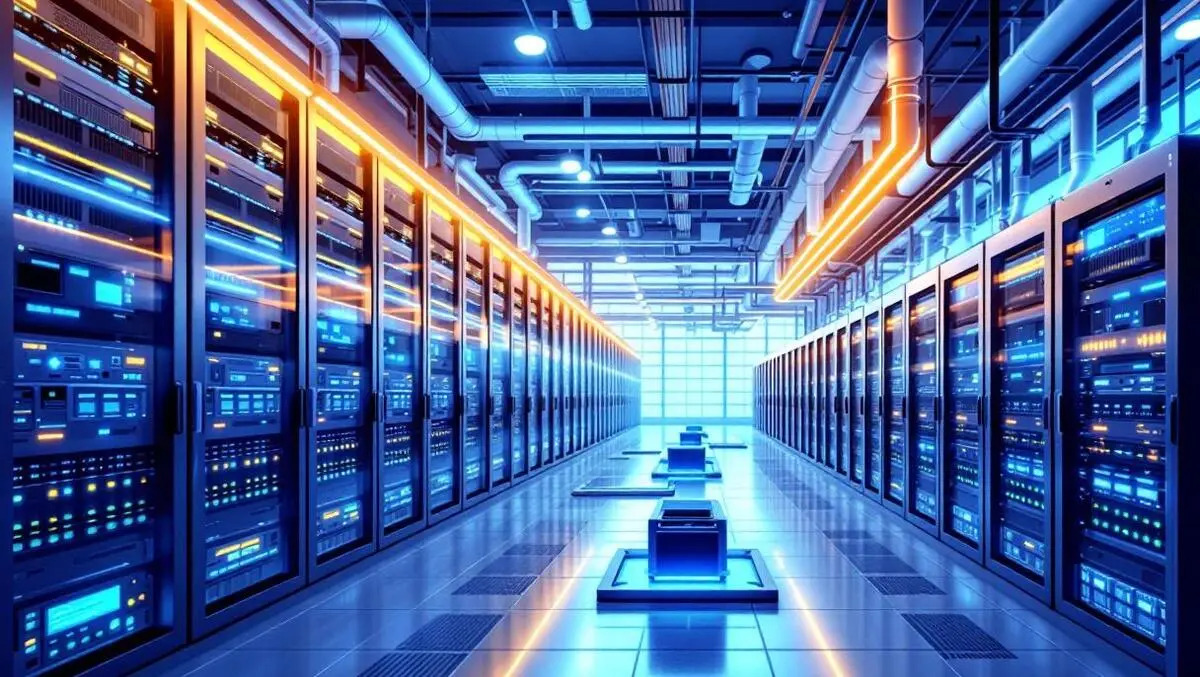
Artificial intelligence adoption continues to accelerate across industries, and this momentum directly drives new data center trends. Enterprises deploy increasingly complex AI models, which require significant computing power and storage capacity. Consequently, operators expand infrastructure to meet these demands and ensure performance consistency. Global data center market growth now depends heavily on AI-driven data center growth. Hyperscale providers invest aggressively in new regions, focusing on areas with strong connectivity and stable power supply. These investments reshape the global infrastructure map and create new digital hubs.
Cloud computing further amplifies this expansion. Organizations integrate AI workloads into cloud platforms, which increases demand for scalable infrastructure. This combination of AI and cloud creates a continuous cycle of growth that pushes construction activity forward. Geographic diversification also plays a key role. Developers now prioritize locations that offer energy efficiency, regulatory support, and network proximity. These factors influence long-term scalability and operational sustainability.
AI Infrastructure Demand and Hyperscale Data Center Evolution
AI infrastructure demand continues to reshape hyperscale data centers. Operators design these facilities to support high-density workloads and advanced computing systems. Unlike traditional setups, modern data centers prioritize performance, scalability, and efficiency from the ground up. AI workloads in data centers require specialized hardware such as GPUs and accelerators. These components generate more heat and consume more power, which forces engineers to adopt advanced cooling systems. Liquid cooling and optimized airflow now play a critical role in maintaining performance.
Modern facilities also use modular construction methods. Developers build scalable units that allow rapid expansion without disrupting operations. This approach reduces deployment time and improves flexibility in response to changing demand. Sustainability considerations influence every stage of development. Operators integrate renewable energy sources and optimize energy consumption to reduce environmental impact. These strategies support long-term viability while addressing regulatory and cost pressures.
Data Center Capacity Growth and Investment Trends
Investors recognize data centers as critical infrastructure assets, especially in the AI era. Strong demand for computing capacity drives continuous capital inflow into new construction projects. This trend supports rapid expansion and technological advancement. Developers adopt new investment models that emphasize scalability and long-term returns. Instead of focusing only on immediate capacity, stakeholders prioritize flexible infrastructure that can adapt to evolving AI requirements. This shift ensures better alignment with future demand.
Strategic partnerships between technology firms and real estate developers continue to grow. These collaborations combine technical expertise with construction capabilities, enabling faster deployment of specialized facilities. As a result, innovation in design and execution accelerates. Regional dynamics also shape investment decisions. Markets with reliable power, strong connectivity, and supportive policies attract the highest levels of funding. These regions emerge as global data center hubs and drive further economic growth.
Power and Energy Challenges in AI-Driven Data Centers
Energy demand presents one of the most critical challenges in AI-driven data centers. AI workloads consume significantly more power than traditional computing processes. This increase forces operators to rethink energy strategies and infrastructure design. Operators implement advanced energy management systems to optimize consumption. These systems analyze usage patterns and adjust performance in real time. As a result, facilities achieve higher efficiency and reduce operational costs.
Renewable energy adoption continues to expand across the industry. Companies invest in solar, wind, and hydroelectric power to meet sustainability goals and reduce dependence on fossil fuels. This transition supports both environmental and economic objectives. Cooling systems also require innovation to handle increased heat output. Engineers deploy liquid cooling and immersion technologies to maintain stable operating conditions. These solutions improve efficiency while supporting high-performance computing environments.
AI Workloads and the Future of Intelligent Infrastructure
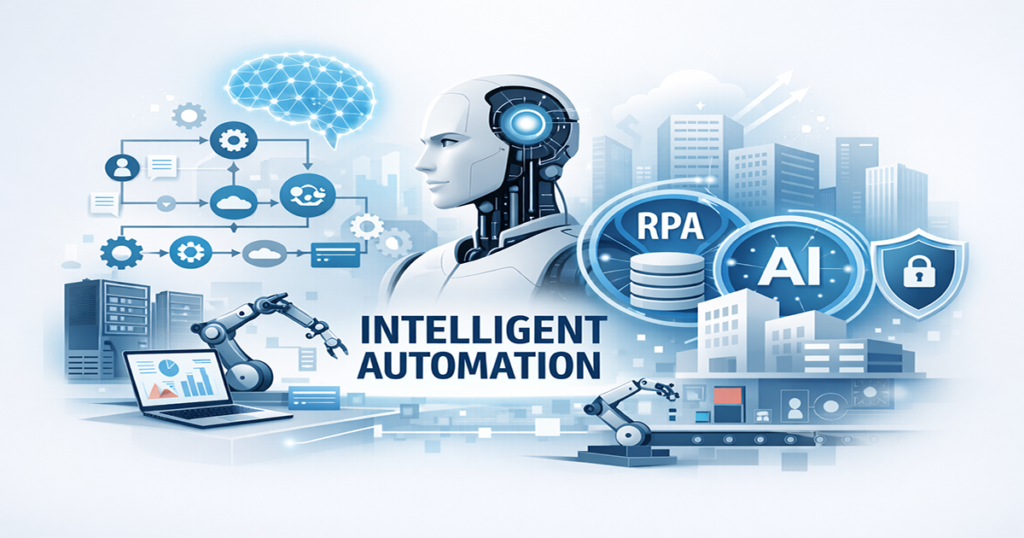
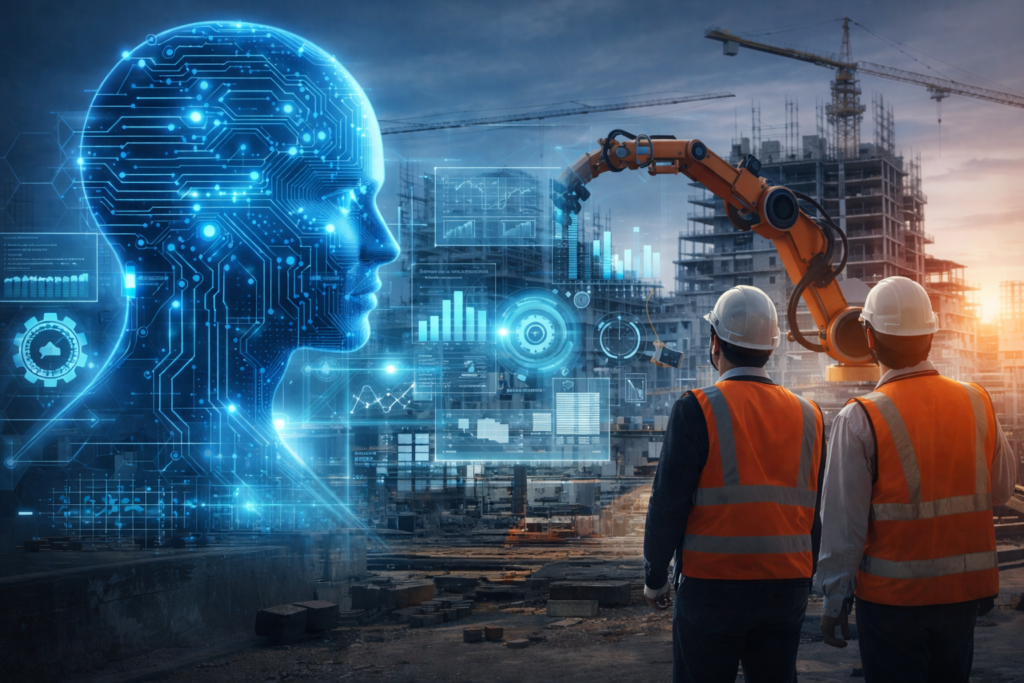
AI workloads drive the evolution of intelligent data center infrastructure. These workloads require systems that can process large datasets quickly and reliably. Operators respond by integrating automation and advanced monitoring tools into their facilities. Artificial intelligence enhances operational efficiency by enabling predictive maintenance and resource optimization. Systems identify potential issues before they escalate, reducing downtime and improving reliability. This proactive approach strengthens overall performance.
Automation plays a central role in future infrastructure. Facilities increasingly rely on AI to manage workloads, allocate resources, and optimize performance. This shift reduces manual intervention and increases operational consistency. Emerging technologies such as edge computing and 5G further influence infrastructure design. Developers build distributed data centers closer to users to reduce latency and improve service delivery. This trend expands the role of data centers within the digital ecosystem.
Commercial Impact and Strategic Implications
AI Impact on Data Center Construction extends beyond technical transformation and influences broader market dynamics. Organizations treat data center infrastructure as a strategic asset that supports long-term growth and innovation. This perspective drives increased investment and competitive differentiation. AI-driven data center growth creates new business opportunities across multiple sectors. Cloud providers, telecom companies, and enterprise technology firms all benefit from expanded infrastructure capabilities. These opportunities strengthen the overall digital economy.
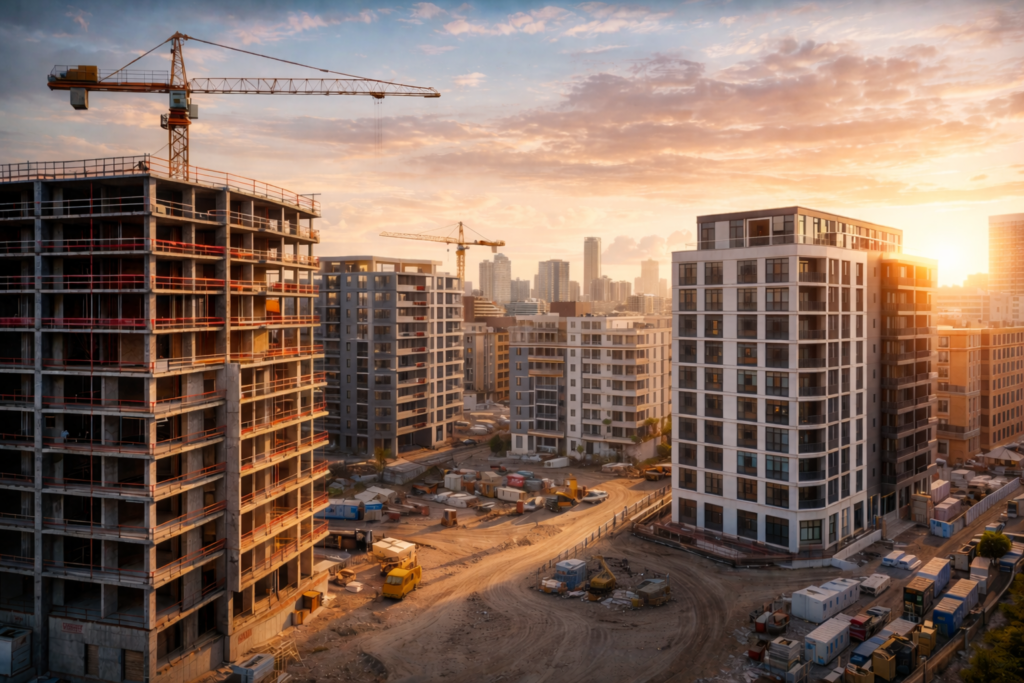
Construction and design innovation also accelerates in response to new requirements. Developers adopt advanced materials, modular systems, and efficient layouts to meet performance expectations. These innovations improve both speed and quality of deployment. Market competition intensifies as companies invest in next-generation infrastructure. Organizations that adopt AI-driven strategies gain a significant advantage in scalability and performance. This competitive edge shapes the future landscape of the industry.
Conclusion
AI Impact on Data Center ConstructiAI Impact on Data Center Constructionon defines a major shift in global infrastructure development. Organizations now prioritize performance, scalability, and efficiency to support growing AI workloads. This transformation influences every aspect of the industry, from design to investment. As artificial intelligence continues to evolve, data center infrastructure will remain a critical enabler of innovation. Stakeholders who adapt to these changes will secure long-term advantages in a rapidly expanding digital economy.