English

























































Say Goodbye to Basic Phones: AI Smartphones Dominate MWC 2026

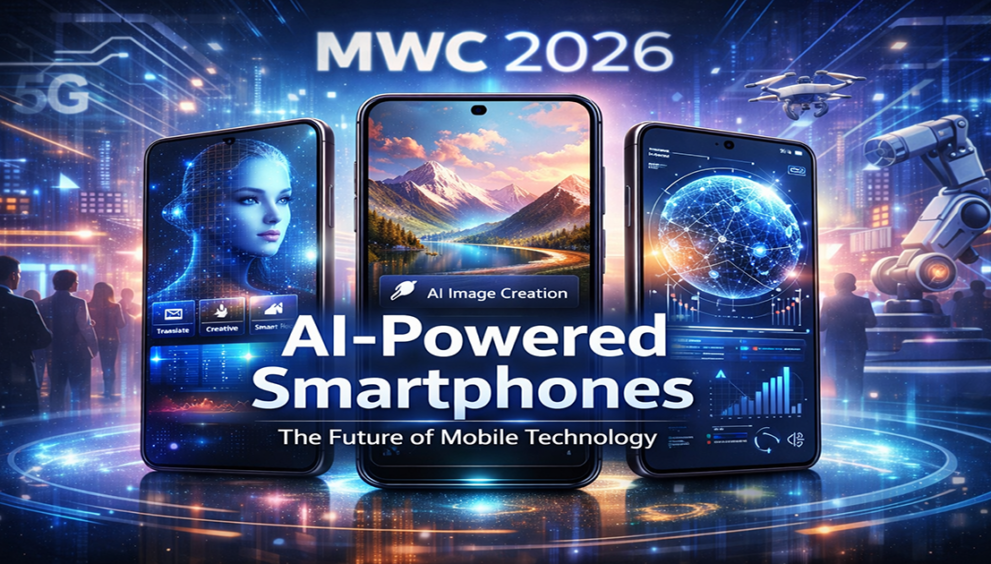
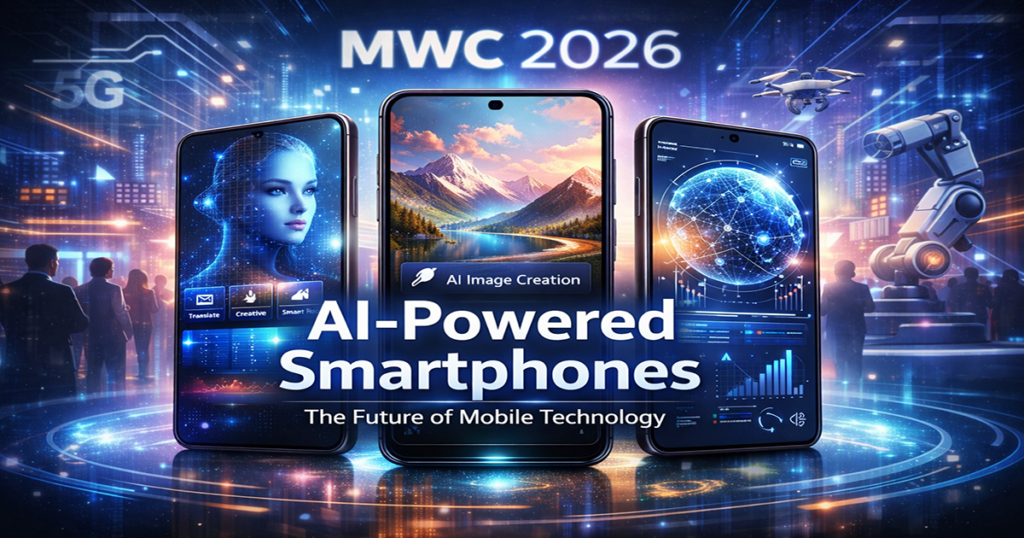
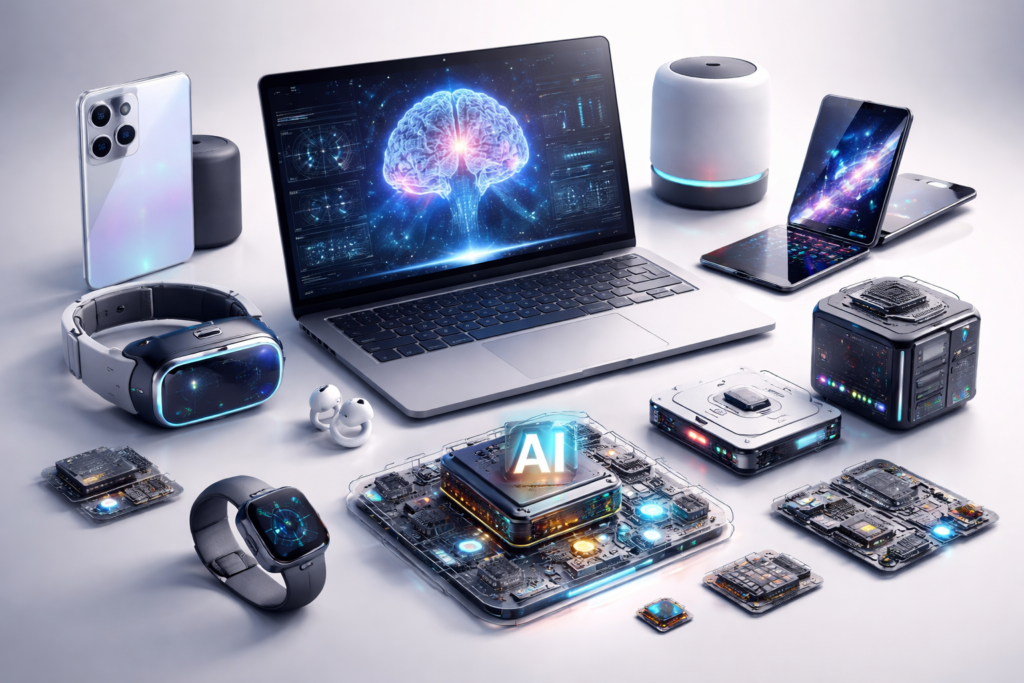
AI-powered smartphones are rapidly transforming the digital landscape, signaling a major shift highlighted by Mobile World Congress 2026 smartphone innovations. The emergence of smart connectivity in smartphones, combined with generative AI in mobile devices, is redefining how users interact with technology. These intelligent mobile devices are no longer passive tools but proactive systems capable of predicting behavior, automating workflows, and delivering contextual intelligence. The future of AI-driven mobile technology and smart ecosystems demonstrates that the era of traditional smartphones is ending, replaced by a new generation of adaptive, AI-integrated experiences.
The End of Traditional Smartphones and the Rise of AI Integration
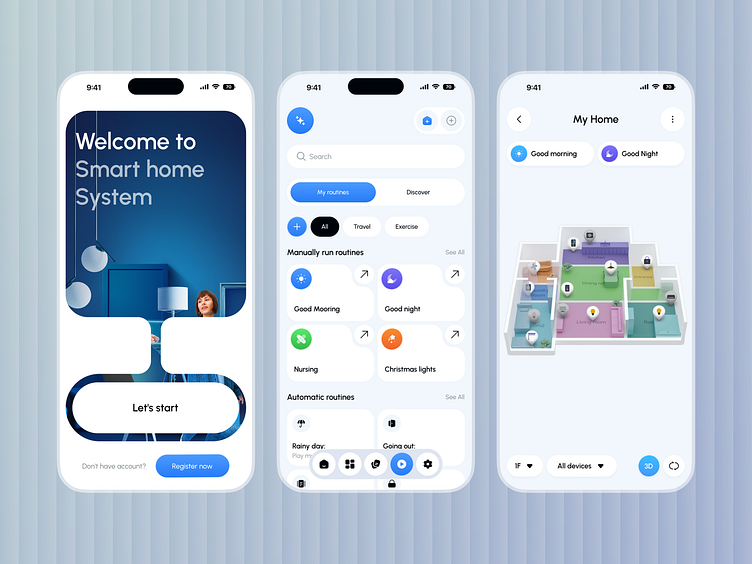
The global smartphone industry is undergoing a structural transformation. Conventional devices that primarily relied on manual inputs and static applications are being replaced by AI-powered smartphones capable of autonomous decision-making. This evolution represents the transition from reactive devices to predictive ecosystems. At MWC 2026, major technology companies showcased how AI is embedded at the core of hardware and software architectures. These devices leverage on-device AI processing, reducing dependency on cloud-based systems while enhancing speed, privacy, and personalization. The shift is not incremental; it is foundational, marking the decline of what can now be described as traditional or less intelligent smartphones.
Generative AI in Mobile Devices: A Game-Changing Innovation
One of the most significant advancements showcased at MWC 2026 is the integration of generative AI in mobile devices. Unlike traditional AI systems, generative AI can create content, automate complex tasks, and enhance productivity directly on smartphones. From generating emails and documents to real-time image editing and voice synthesis, generative AI is transforming smartphones into productivity engines. These capabilities are not limited to professional use cases; they extend to everyday interactions, including communication, entertainment, and content creation. The adoption of generative AI also introduces a new paradigm of human-device interaction. Smartphones are evolving into conversational interfaces capable of understanding context, emotion, and intent. This advancement significantly enhances usability and reduces friction in digital interactions.
Smart Connectivity in Smartphones: Building Intelligent Ecosystems
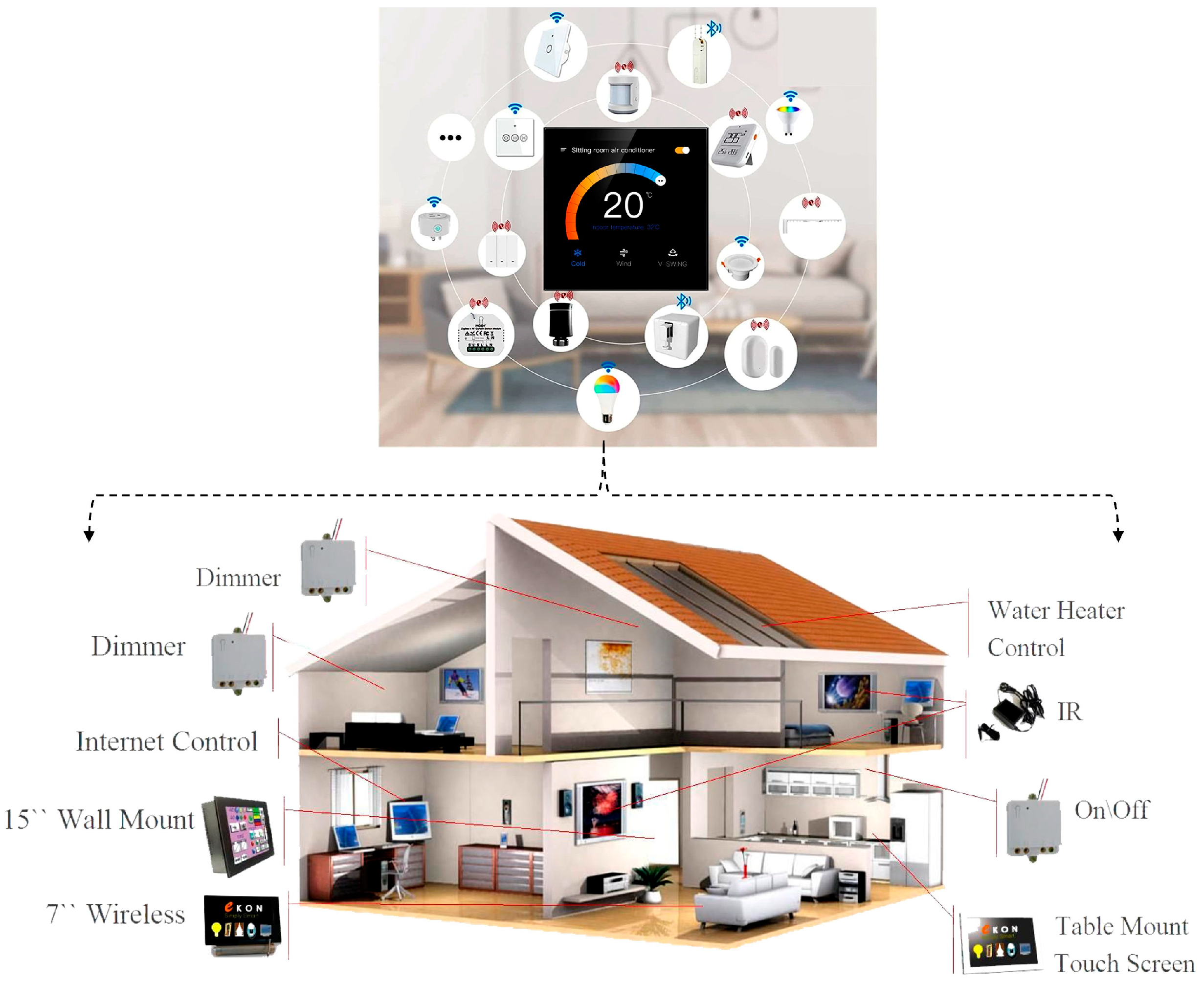
Another defining feature of AI-powered smartphones is the advancement of smart connectivity in smartphones. These devices are designed to seamlessly integrate with IoT ecosystems, wearable technology, smart homes, and enterprise systems. Smart connectivity goes beyond traditional network capabilities. It involves intelligent network switching, predictive bandwidth allocation, and context-aware connectivity optimization. Smartphones can now anticipate connectivity needs based on user behavior, ensuring uninterrupted performance. At MWC 2026, innovations in 5G Advanced and early 6G research demonstrated how connectivity will further enhance AI capabilities. The synergy between connectivity and AI creates a unified ecosystem where devices communicate intelligently, enabling automation at scale.
Next-Generation Mobile Technology and Edge AI
The emergence of next-generation mobile technology is closely tied to advancements in edge AI. Edge computing allows AI models to run directly on devices, reducing latency and improving data security. AI-powered smartphones equipped with dedicated neural processing units (NPUs) can process complex AI tasks locally. This capability enables real-time translation, advanced image recognition, and predictive analytics without relying on cloud infrastructure. Edge AI also enhances privacy by ensuring that sensitive data remains on the device. This feature is particularly important in an era where data security is a critical concern. The combination of edge AI and advanced hardware architectures positions smartphones as powerful computing devices capable of handling enterprise-level workloads.
Intelligent Mobile Devices and User-Centric Design
The concept of intelligent mobile devices extends beyond technical capabilities to include user-centric design principles. AI enables smartphones to adapt interfaces, optimize battery usage, and personalize user experiences based on behavioral patterns. For instance, AI-powered systems can analyze usage patterns to prioritize applications, adjust screen brightness, and manage background processes. This level of personalization enhances efficiency and improves overall user satisfaction. At MWC 2026, manufacturers emphasized adaptive interfaces that evolve over time. These interfaces are not static; they learn from user interactions and continuously optimize the user experience. This approach represents a significant departure from traditional UI/UX design.
The Future of Smartphones with AI: A Predictive Ecosystem
The future of smartphones with AI is defined by predictive intelligence. Smartphones are transitioning from tools that respond to commands to systems that anticipate needs. Predictive AI enables features such as proactive notifications, automated scheduling, and contextual recommendations. For example, smartphones can suggest actions based on location, time, and user habits, reducing the need for manual input. This predictive capability extends to enterprise applications, where AI-powered smartphones can enhance productivity by automating workflows and providing real-time insights. The integration of AI into business processes highlights the growing importance of smartphones as professional tools.
Mobile World Congress 2026 Smartphone Innovations: Key Highlights
The Mobile World Congress 2026 smartphone innovations showcased a range of advancements that underscore the importance of AI in mobile technology. Key highlights include AI-driven camera systems capable of real-time scene optimization, advanced voice assistants with natural language processing, and enhanced security features powered by biometric AI. Manufacturers also introduced AI-powered battery management systems that optimize energy consumption based on usage patterns. These innovations address one of the most persistent challenges in smartphone technology: battery life. Additionally, the introduction of AI-enhanced augmented reality (AR) and virtual reality (VR) experiences demonstrates the potential for immersive applications. These technologies are expected to play a significant role in the future of entertainment, education, and remote collaboration.
Commercial Impact: Why AI-Powered Smartphones Matter
From a commercial perspective, AI-powered smartphones represent a significant opportunity for businesses and consumers alike. For enterprises, these devices enable enhanced productivity, improved decision-making, and seamless integration with digital ecosystems. For consumers, AI-powered smartphones offer convenience, efficiency, and personalized experiences. The ability to automate routine tasks and access intelligent insights transforms smartphones into indispensable tools. The market for AI-powered smartphones is expected to grow rapidly as manufacturers continue to innovate and consumers increasingly demand intelligent features. This growth is driven by advancements in AI technology, connectivity, and hardware capabilities.
Challenges and Considerations
Despite the numerous benefits, the adoption of AI-powered smartphones presents several challenges. These include concerns related to data privacy, ethical AI usage, and the complexity of AI systems. Ensuring transparency and accountability in AI algorithms is critical to building trust among users. Additionally, manufacturers must address issues related to energy consumption and computational efficiency. Regulatory frameworks will play a crucial role in shaping the future of AI-powered smartphones. Governments and industry stakeholders must collaborate to establish standards that promote innovation while safeguarding user interests.
Conclusion: A New Era of Intelligent Mobile Technology
The evolution of AI-powered smartphones marks the beginning of a new era in mobile technology. The convergence of smart connectivity in smartphones, generative AI in mobile devices, and next-generation mobile technology is transforming smartphones into intelligent ecosystems. As demonstrated by Mobile World Congress 2026 smartphone innovations, the future of mobile technology is deeply intertwined with artificial intelligence. These advancements are not only redefining user experiences but also reshaping industries and creating new opportunities. The transition from traditional smartphones to AI-driven devices is inevitable. As technology continues to evolve, AI-powered smartphones will play a central role in shaping the digital future, driving innovation, and enhancing the way people interact with the world.