English










































































The AI Skills Gap Is Here: Why Power Users Are Pulling Ahead in 2026

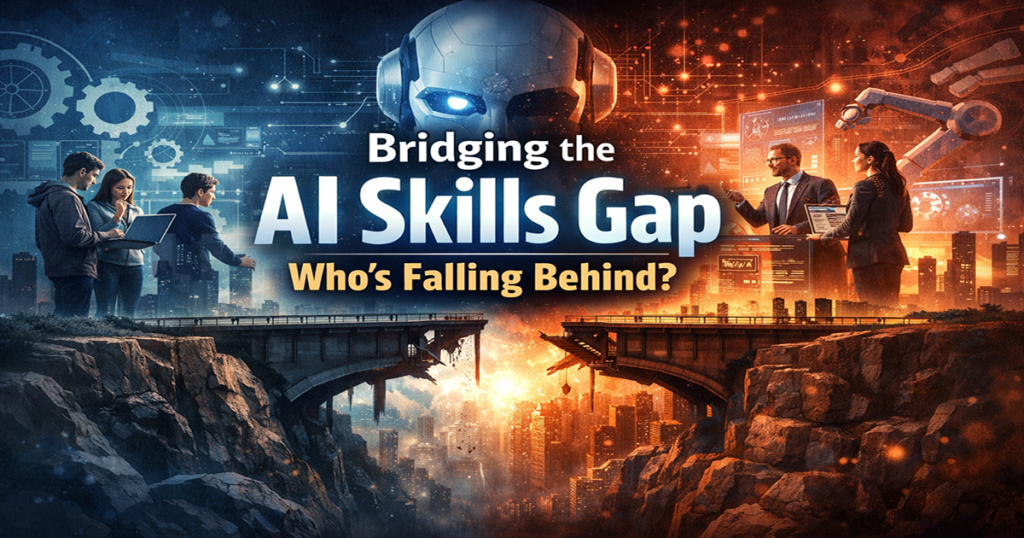
The AI skills gap is no longer an emerging concern. It has become a defining factor shaping global workforce dynamics. As artificial intelligence adoption accelerates, a widening divide is forming between AI power users and beginners. This gap influences productivity, hiring trends, and economic competitiveness, creating a new layer of inequality in the digital economy.
Understanding the AI Skills Gap in Workforce Evolution
The AI skills gap refers to the disparity between individuals who can effectively use artificial intelligence tools and those who cannot. This gap extends beyond technical expertise. It includes the ability to apply AI in decision-making, automation, and strategic workflows. Organizations now face a critical imbalance. A small segment of employees demonstrates high proficiency in AI tools, while a larger portion struggles to integrate these technologies into daily tasks. This imbalance defines the current phase of AI workforce transformation and skills gap analysis. AI skills gap in workforce environments continues to widen due to uneven access to training, varying levels of digital literacy, and differences in organizational adoption strategies. Companies that invest early in AI training gain a competitive advantage, while others lag behind.
AI Power Users vs Beginners: A Growing Divide
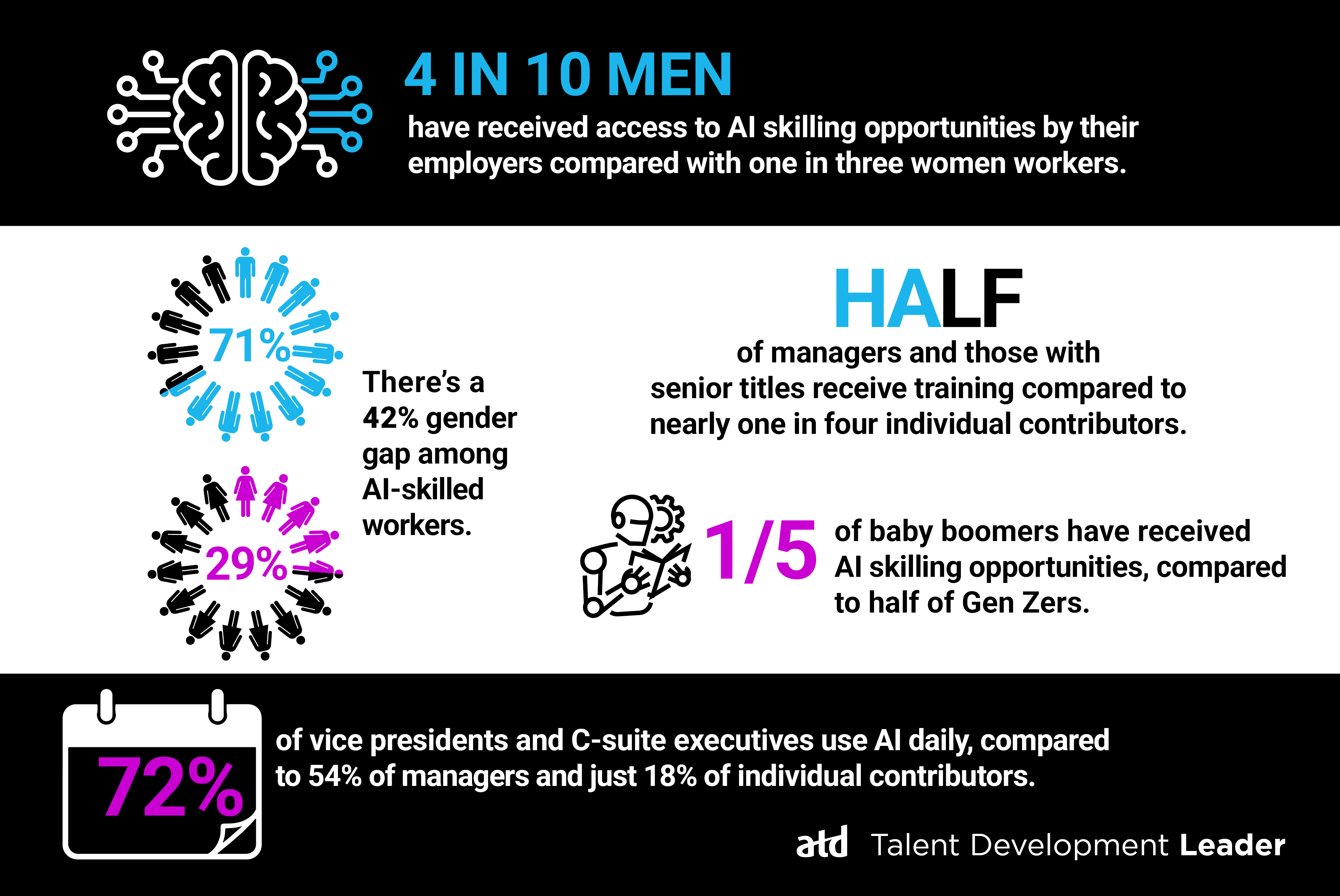
A clear distinction has emerged between AI power users and beginners. Power users leverage AI tools for automation, data analysis, content generation, and decision support. Their productivity often surpasses traditional benchmarks. In contrast, beginners rely on manual processes or limited AI usage. This gap results in significant performance differences within the same organization. The divide between AI power users vs beginners is becoming a critical factor in workforce evaluation. AI adoption inequality between experienced and new users highlights the importance of structured training programs. Without intervention, this divide will continue to expand, creating long-term challenges for businesses and economies.
AI Adoption Inequality and Its Global Impact
AI adoption inequality represents a broader systemic issue. It reflects disparities in access to technology, education, and infrastructure. Developed economies often lead in AI adoption, while emerging markets face barriers such as limited resources and training opportunities. This inequality extends within organizations as well. Departments with access to advanced tools and training outperform those without. AI adoption inequality between experienced and new users creates internal inefficiencies and reduces overall productivity. Governments and institutions are beginning to recognize the impact of this divide. Policies aimed at digital education and workforce development are gaining importance as part of national economic strategies.
Impact of AI Skills Gap on Jobs and Productivity
The impact of AI skills gap on jobs and productivity is significant. Organizations with a highly skilled workforce achieve faster output, improved accuracy, and better decision-making. In contrast, companies with limited AI expertise experience slower growth and reduced competitiveness. The AI workforce skills shortage also affects hiring trends. Employers increasingly prioritize candidates with AI proficiency, even for non-technical roles. This shift changes the definition of employability in the modern job market. Productivity gains driven by AI remain unevenly distributed. Power users benefit from automation and efficiency, while beginners struggle to keep pace. This imbalance creates performance disparities that influence promotions, salaries, and career growth.
AI Workforce Transformation and Skills Gap Analysis
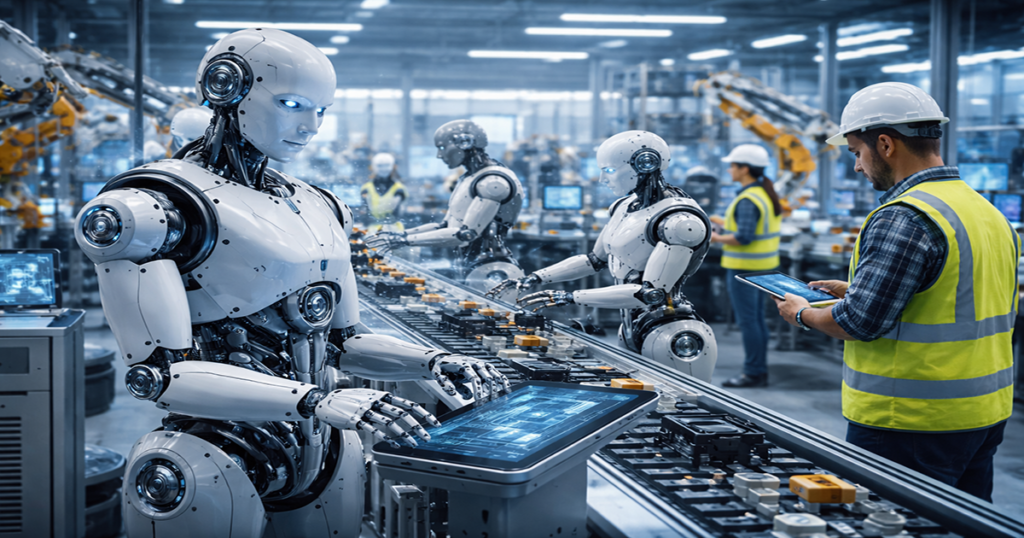
AI workforce transformation involves redefining roles, responsibilities, and skill requirements. Traditional job descriptions no longer align with the demands of AI-driven environments. Organizations must adapt quickly to remain competitive. AI workforce transformation and skills gap analysis reveal that most industries face a shortage of AI-ready talent. This shortage affects sectors such as finance, healthcare, manufacturing, and retail. Companies now focus on upskilling and reskilling initiatives to bridge the gap. Training programs emphasize practical AI usage rather than theoretical knowledge. Employees learn how to integrate AI tools into daily workflows, improving efficiency and productivity.
Industry-Wide Effects of AI Skill Disparity Trends
AI skill disparity trends are reshaping industries at a structural level. Organizations that successfully integrate AI outperform competitors in innovation and efficiency. This advantage creates a widening gap between industry leaders and laggards. In technology-driven sectors, AI skills determine market leadership. Companies with advanced AI capabilities dominate product development and customer engagement. In traditional industries, the transition is slower but equally impactful. AI skill disparity trends also influence supply chains, customer service, and operational efficiency. Businesses that fail to address the skills gap risk falling behind in an increasingly competitive environment.
Barriers Contributing to the AI Workforce Skills Shortage
Several factors contribute to the AI workforce skills shortage. Limited access to education and training remains a primary challenge. Many employees lack opportunities to develop AI-related skills. Organizational resistance to change also plays a role. Some companies hesitate to invest in AI training due to cost or uncertainty. This hesitation slows adoption and widens the skills gap. Another key factor is the rapid pace of technological advancement. AI tools evolve quickly, making it difficult for workers to keep up. Continuous learning becomes essential in this environment.
Strategies to Bridge the AI Skills Gap
Addressing the AI skills gap requires a multi-layered approach. Organizations must prioritize training and development programs that focus on practical AI applications. These programs should target both technical and non-technical employees. Educational institutions play a critical role in preparing the future workforce. Curricula must include AI literacy as a core component. This approach ensures that new graduates enter the workforce with relevant skills. Collaboration between industry and academia can accelerate progress. Partnerships enable the development of targeted training programs that address real-world challenges.
The Role of Leadership in AI Adoption
Leadership plays a crucial role in addressing AI adoption inequality. Executives must recognize the strategic importance of AI skills and allocate resources accordingly. Clear communication and structured implementation plans are essential for successful adoption. Organizations that prioritize AI training create a culture of innovation. Employees become more confident in using AI tools, leading to improved performance and collaboration. Leadership also influences how organizations address ethical considerations related to AI. Responsible implementation ensures that technology benefits all employees rather than a select group.
Future Outlook: Closing the AI Skills Gap
The future of work will depend on how effectively organizations address the AI skills gap. As AI continues to evolve, the demand for skilled professionals will increase. Companies that invest in training and development will gain a competitive advantage. AI adoption inequality is expected to decrease over time as technology becomes more accessible. However, proactive measures are necessary to accelerate this process. The role of AI-powered tools in workforce transformation will continue to expand. These tools will become integral to daily operations across industries, further emphasizing the importance of AI literacy.
Conclusion
The AI skills gap represents one of the most significant challenges in the modern workforce. It influences productivity, employment, and economic growth. The divide between AI power users vs beginners continues to widen, creating new forms of inequality. Organizations must act decisively to address this issue. Investment in training, education, and technology will determine future success. The impact of AI skills gap on jobs and productivity will shape the global economy for years to come. AI workforce transformation is not optional. It is a necessity for survival in a rapidly evolving digital landscape. Closing the AI skills gap will define the next phase of innovation and growth.