English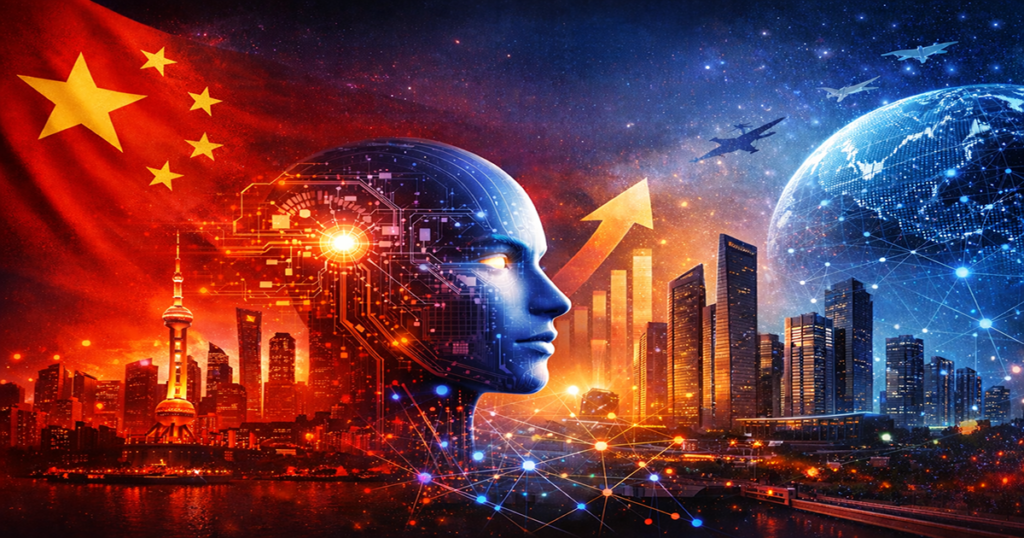

































































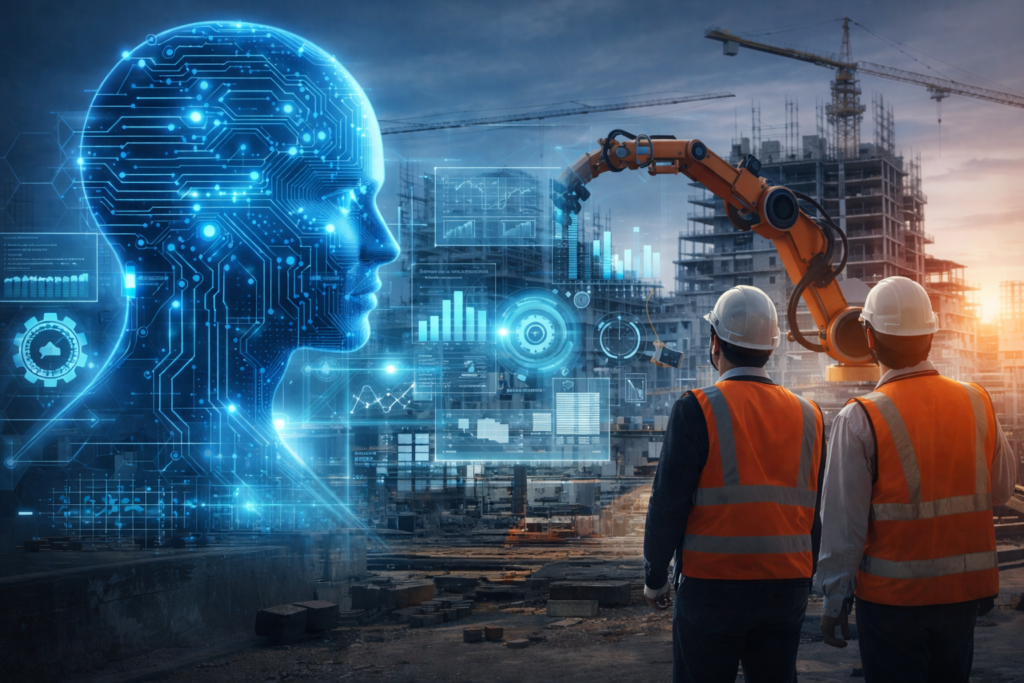












China’s Next AI Move: A New Phase in the Global Tech Race

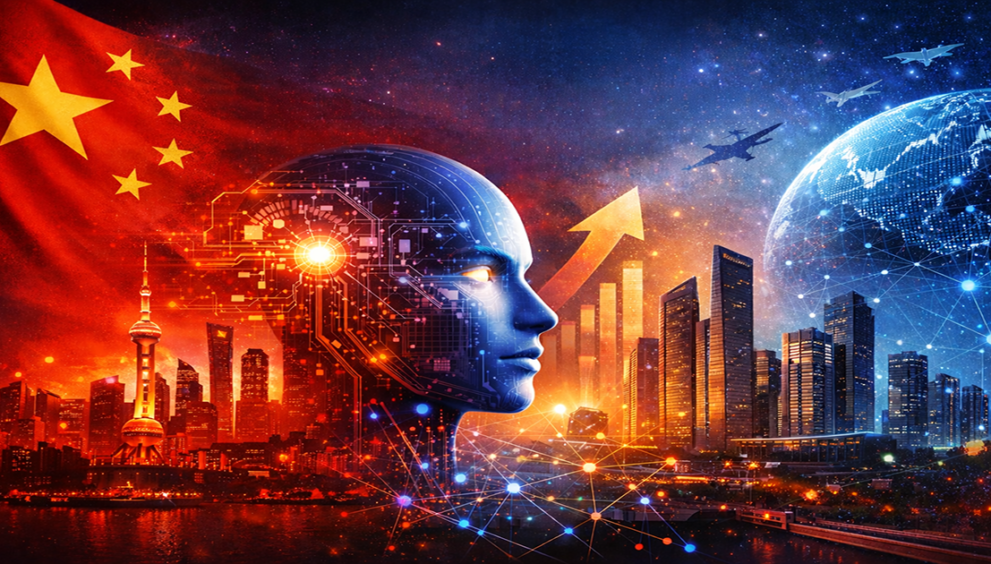
The China AI race has entered a decisive new phase, reshaping the global technology landscape and redefining geopolitical power structures. As artificial intelligence becomes a central driver of economic growth, innovation, and national security, competition between China and United States continues to intensify. This shift reflects not only rapid advancements in machine learning and generative systems but also a broader transformation in how nations approach technological leadership. Consequently, the evolving dynamics of the China AI race signal a critical turning point in the global AI leadership battle, with far-reaching implications for industries, governments, and markets worldwide.
China AI Race: A New Phase in Global Competition
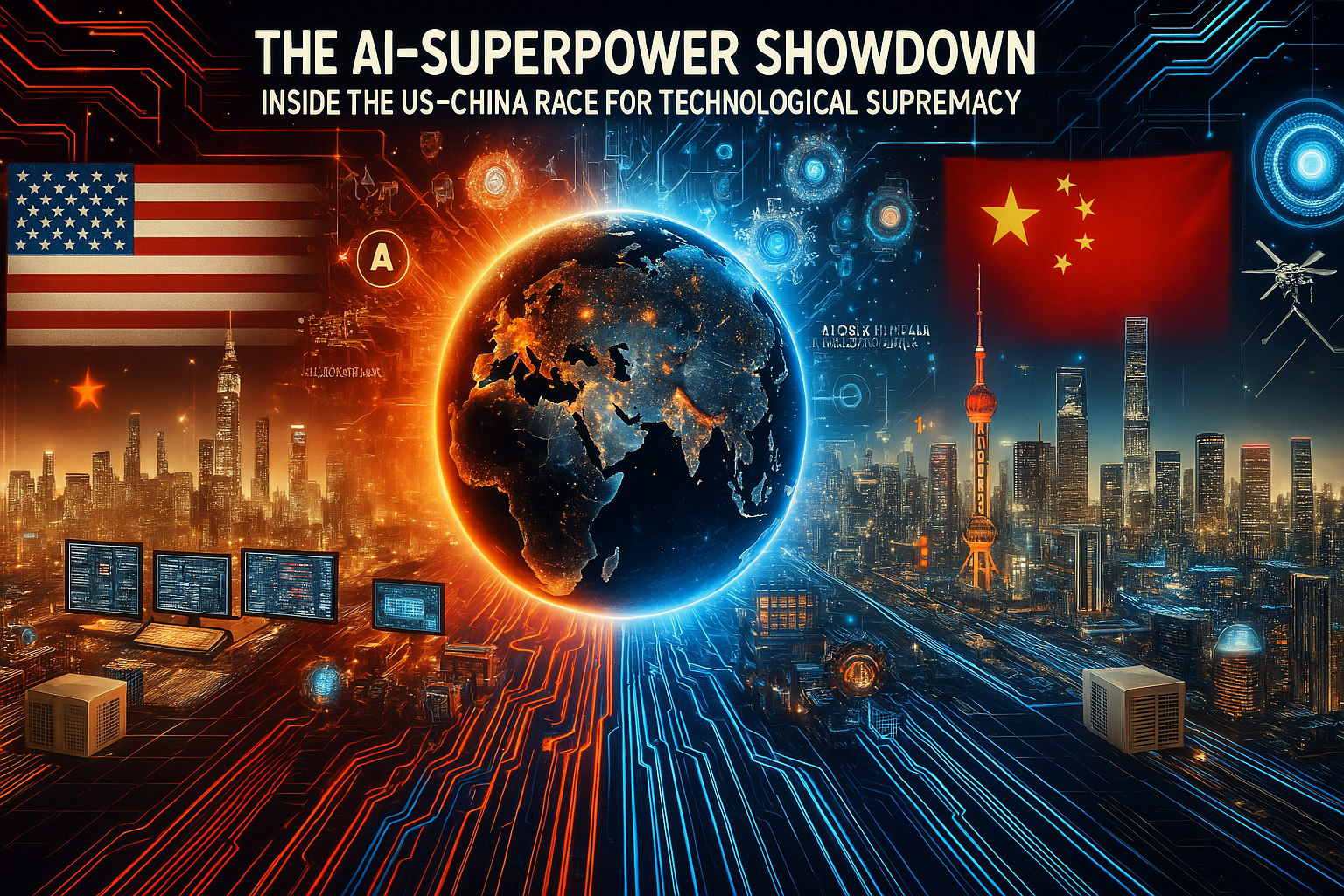
The China AI race now represents more than a technological contest; it defines the future trajectory of global economic and strategic influence. China has accelerated its AI development strategy through coordinated national policies, large-scale investments, and integration of AI across key industries. At the same time, the United States continues to leverage its innovation ecosystem, research leadership, and private-sector dominance. However, the competitive landscape has shifted significantly. Earlier phases of the AI race focused on research breakthroughs and foundational technologies. In contrast, the current phase emphasizes deployment, scalability, and real-world applications. This transition marks an AI technology race phase shift, where implementation capability determines leadership rather than theoretical advancement alone. Moreover, China’s centralized approach enables rapid execution of large-scale AI initiatives. Government-backed programs support data infrastructure, semiconductor development, and AI-driven industrial transformation. As a result, China has strengthened its position in areas such as smart cities, surveillance technologies, and industrial automation.
China AI Development Strategy and National Priorities
China AI development strategy reflects a long-term vision that aligns technological progress with national objectives. The government has prioritized AI as a core component of economic modernization, integrating it into manufacturing, healthcare, transportation, and finance. Furthermore, China has invested heavily in AI research institutions, talent development, and digital infrastructure. Universities and research centers play a critical role in advancing AI capabilities, while partnerships between public and private sectors accelerate innovation. In addition, data availability provides a significant advantage. China’s large population and digital ecosystem generate vast datasets that support machine learning models. This data-driven approach enhances AI performance and enables rapid iteration. Consequently, China AI innovation trends increasingly focus on applied technologies, including autonomous systems, facial recognition, and generative AI platforms. These developments contribute to China’s growing influence in the global AI landscape.
AI Geopolitical Competition and Strategic Rivalry
AI geopolitical competition has emerged as a defining feature of the modern era. Nations recognize AI as a strategic asset that influences economic power, military capability, and technological sovereignty. The China AI race highlights the intersection of technology and geopolitics. Governments are implementing policies to secure supply chains, protect intellectual property, and regulate AI development. These measures reflect concerns about dependency on foreign technologies and the need for national resilience. Moreover, the global AI leadership battle extends beyond bilateral competition. Other regions, including Europe and emerging economies, are investing in AI to establish their positions within the global ecosystem. However, China and the United States remain the primary drivers of innovation and competition. As a result, AI has become a central element of international relations, shaping alliances, trade policies, and regulatory frameworks.
China AI Innovation Trends Driving Growth
China AI innovation trends demonstrate a strong emphasis on commercialization and scalability. Unlike earlier phases focused on research, the current phase prioritizes practical applications that deliver economic value. For example, AI integration in manufacturing enhances productivity and reduces operational costs. Similarly, AI-driven healthcare solutions improve diagnostics and patient outcomes. In the financial sector, AI enables advanced risk analysis and fraud detection. Additionally, generative AI technologies are gaining momentum. Chinese companies are developing large language models and AI platforms that compete with global counterparts. These advancements contribute to the broader AI-powered digital transformation. Furthermore, China’s ecosystem supports rapid experimentation and deployment. Startups, technology firms, and government initiatives collaborate to accelerate innovation cycles. This collaborative approach strengthens China’s competitive position in the AI race.
China vs United States: Competing in AI Development
The narrative that China is competing with the US in AI development continues to dominate global discourse. Both nations possess unique strengths that shape their approaches to AI leadership. The United States leads in foundational research, advanced semiconductors, and global technology platforms. Companies such as OpenAI and Google drive innovation in generative AI and machine learning. In contrast, China excels in large-scale implementation, data utilization, and government-driven initiatives. This difference creates a complementary yet competitive dynamic, where each nation leverages its strengths to gain an advantage. Moreover, regulatory environments influence the pace of innovation. China’s centralized governance allows faster deployment, while the United States emphasizes ethical considerations and regulatory oversight. Therefore, the China AI race reflects a balance between innovation and execution, with both nations contributing to the evolution of global AI technologies.
Economic Impact of the Global AI Race
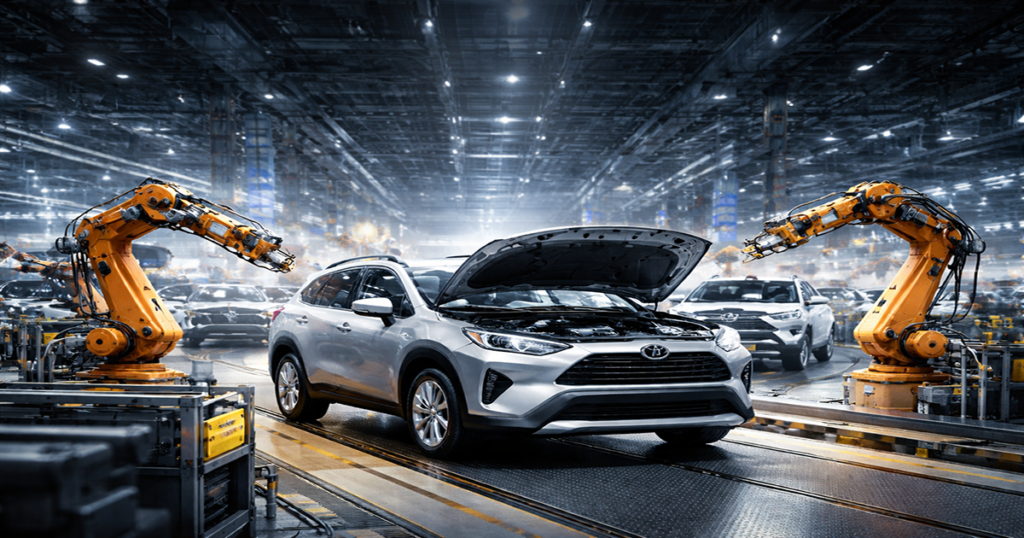
The future of global AI race and economic impact extends across multiple sectors. AI technologies drive productivity, create new markets, and transform traditional industries. As a result, nations that lead in AI gain significant economic advantages. China’s investment in AI supports industrial growth and digital transformation. Automation and intelligent systems enhance efficiency in manufacturing and logistics. At the same time, AI-driven services create new opportunities in e-commerce, fintech, and digital platforms. Additionally, the AI race influences global trade dynamics. Countries compete to attract investment, talent, and technology partnerships. This competition reshapes supply chains and economic alliances. Furthermore, AI adoption affects labor markets. Automation and intelligent systems change workforce requirements, emphasizing the need for skills in data science, engineering, and AI development.
AI Technology Race Phase Shift: From Innovation to Dominance
The AI technology race phase shift represents a transition from experimentation to dominance. Early stages focused on developing algorithms and models. However, the current phase emphasizes integration, scalability, and market impact. China’s approach aligns with this shift by prioritizing deployment across industries. Large-scale implementation enables rapid adoption and measurable outcomes. This strategy contrasts with earlier phases where research breakthroughs dominated the narrative. Moreover, the integration of AI into infrastructure and governance systems highlights the strategic importance of technology. Smart cities, digital governance, and AI-driven public services illustrate how AI influences societal structures. Consequently, the China AI race reflects a broader transformation in how technology shapes economic and political systems.
Commercial Implications for Businesses and Markets
The China AI race creates significant opportunities and challenges for businesses. Companies must adapt to rapidly evolving technologies and competitive pressures. Organizations that leverage AI can improve efficiency, enhance customer experiences, and drive innovation. However, they must also navigate regulatory complexities and geopolitical risks. Furthermore, the competition between China and the United States influences global markets. Technology standards, data policies, and trade regulations shape the business environment. Additionally, AI-driven disruption affects multiple industries, including automotive, healthcare, finance, and retail. Companies must invest in AI capabilities to remain competitive.
Future Outlook of the China AI Race
The future of the China AI race will depend on several factors, including technological advancements, policy decisions, and global collaboration. Both China and the United States will continue to invest in AI to maintain their competitive positions. Moreover, emerging technologies such as quantum computing, edge AI, and advanced robotics will influence the next phase of the AI race. These innovations have the potential to redefine the competitive landscape. Additionally, international cooperation may play a role in addressing ethical and regulatory challenges. Collaboration on AI standards and governance could shape the future of the global AI ecosystem.
Conclusion
The China AI race represents a defining moment in the evolution of global technology and economic power. As China and the United States continue to compete, the dynamics of innovation, deployment, and strategy will shape the future of AI. China’s development strategy, innovation trends, and implementation capabilities position it as a major contender in the global AI leadership battle. At the same time, the United States maintains its strength in research and technological innovation. Ultimately, the outcome of the China AI race will influence industries, economies, and societies worldwide. This competition underscores the transformative potential of artificial intelligence and its role in shaping the future.