English
























































































Fashion Becomes Art: Inside the Schiaparelli Exhibition in London

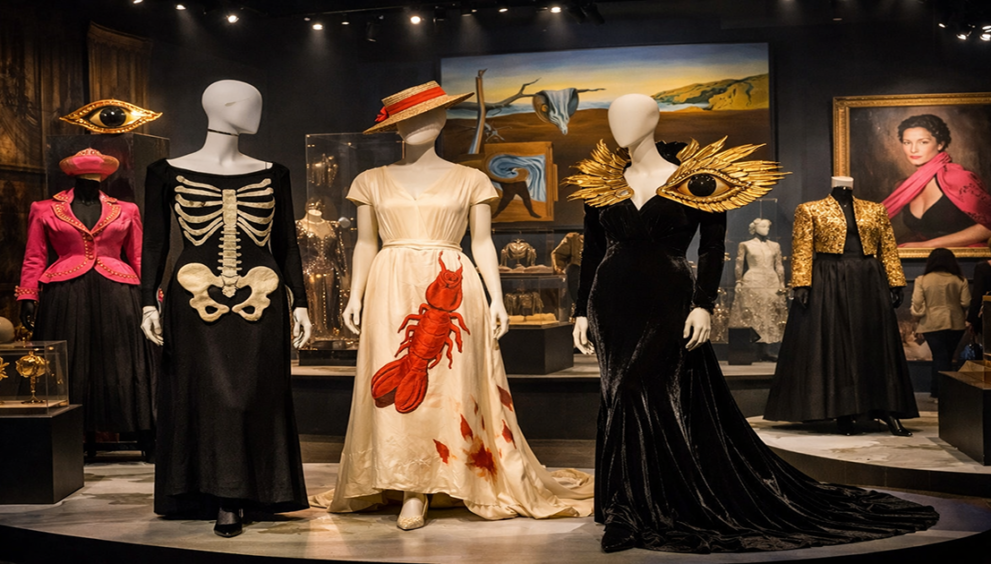
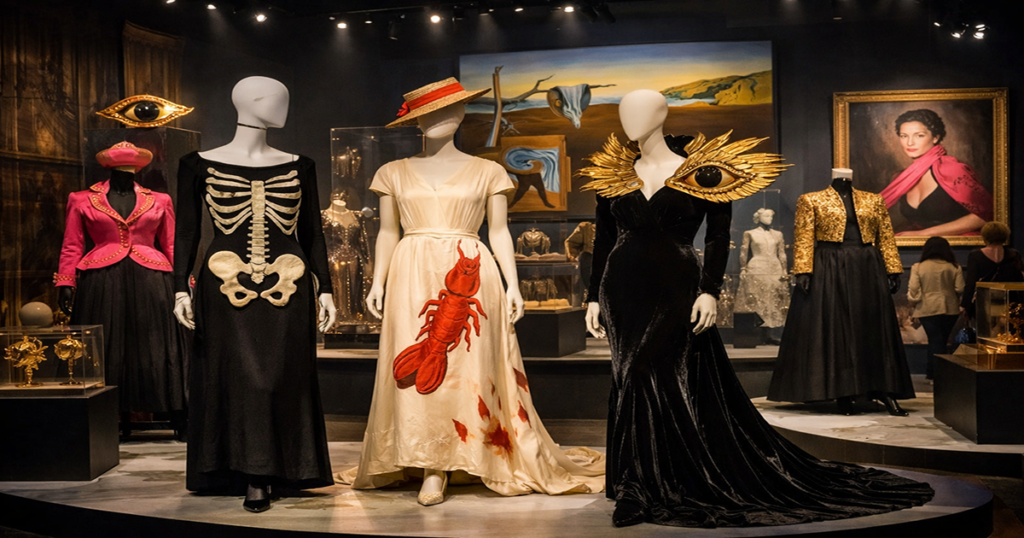
The Elsa Schiaparelli exhibition at the Victoria and Albert Museum represents a defining cultural event that extends far beyond traditional fashion displays. This exhibition not only revisits the legacy of Elsa Schiaparelli but also repositions fashion as a powerful medium of artistic and intellectual expression. As global audiences increasingly seek immersive cultural experiences, this exhibition emerges as a benchmark in how fashion history can be presented, interpreted, and commercialized.
Historical Context and the Rise of Schiaparelli

The Elsa Schiaparelli exhibition provides a detailed historical narrative that traces the designer’s rise within the competitive landscape of early 20th-century fashion. Schiaparelli entered the Parisian fashion scene during a period dominated by established houses, yet her unconventional approach quickly set her apart. Her work reflected the broader artistic movements of the time, particularly surrealism. Unlike traditional designers, Schiaparelli embraced experimentation, transforming garments into conceptual pieces that challenged norms. The exhibition captures this evolution through carefully curated timelines, archival sketches, and rare couture pieces. The V&A fashion exhibition contextualizes her work within the socio-economic and cultural shifts of her era. This perspective allows visitors to understand how her designs responded to changing societal values and artistic trends.
Artistic Collaborations That Defined an Era
One of the most compelling aspects of the Elsa Schiaparelli exhibition is its focus on interdisciplinary collaboration. Schiaparelli worked closely with prominent artists, integrating their ideas into her designs. These collaborations resulted in some of the most iconic pieces in fashion history. The exhibition highlights how these partnerships influenced the development of modern couture. By merging artistic vision with technical craftsmanship, Schiaparelli created garments that transcended traditional fashion boundaries. This section of the exhibition reinforces the concept of fashion meets art exhibition. It demonstrates how creative collaboration can redefine industries and establish new standards of innovation.
Signature Designs and Iconic Pieces
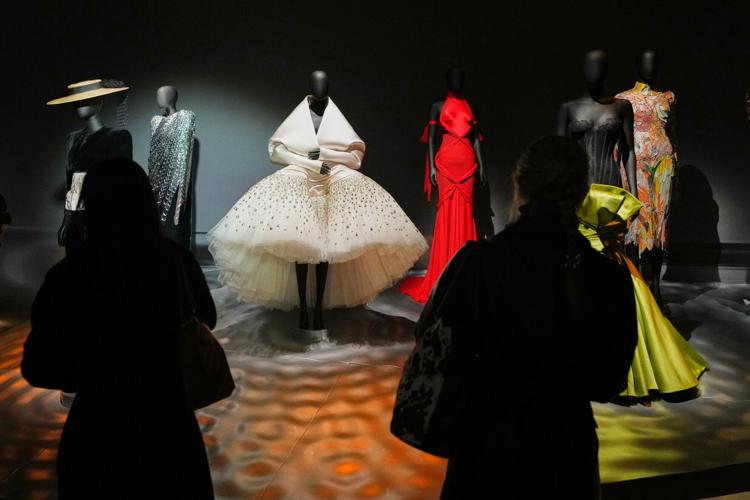
The Elsa Schiaparelli exhibition features a collection of signature designs that have become synonymous with her legacy. These pieces serve as focal points within the exhibition, illustrating her ability to blend creativity with technical precision. Each garment tells a story. From bold silhouettes to intricate detailing, Schiaparelli’s designs reflect a deep understanding of both form and function. The exhibition presents these works in a way that emphasizes their artistic and cultural significance. Visitors encounter garments that challenge conventional aesthetics, offering a fresh perspective on what fashion can represent. This approach enhances engagement and encourages deeper appreciation of her work.
The Commercial Dimension of Fashion Exhibitions
The Elsa Schiaparelli exhibition also serves as a case study in the commercialization of cultural events. Fashion exhibitions have evolved into strategic platforms that influence consumer behavior and brand perception. The Victoria and Albert Museum collaborates with fashion houses, sponsors, and media organizations to maximize the reach and impact of its exhibitions. This collaboration creates a synergy between culture and commerce. The commercial investigation aspect reveals how exhibitions contribute to revenue generation through ticket sales, merchandise, and global media coverage. This model demonstrates the economic potential of cultural institutions in the modern era.
Visitor Experience and Exhibition Design
The design of the Elsa Schiaparelli exhibition plays a critical role in its success. Curators have created an immersive environment that guides visitors through different phases of her career. Lighting, spatial arrangement, and multimedia elements enhance the overall experience. These design choices ensure that each section of the exhibition maintains a distinct identity while contributing to a cohesive narrative. Interactive installations allow visitors to engage with the content on a deeper level. Digital displays provide additional context, offering insights into the creative process behind each piece.
Global Influence and Cultural Relevance
The Elsa Schiaparelli legacy extends far beyond the boundaries of fashion. Her work has influenced various creative industries, including art, film, and design. The exhibition highlights this global impact by showcasing how her ideas have been adapted and reinterpreted over time. The V&A museum fashion events attract international audiences, reflecting the global relevance of such exhibitions. Visitors from diverse backgrounds engage with the content, contributing to a dynamic cultural exchange. This global perspective underscores the importance of preserving and celebrating fashion history. It also highlights the role of exhibitions in shaping contemporary cultural narratives.
Digital Transformation in Fashion Exhibitions

The integration of digital technology has transformed the way audiences experience fashion exhibitions. The Elsa Schiaparelli exhibition incorporates digital elements that enhance accessibility and engagement. Virtual tours and online content allow global audiences to explore the exhibition remotely. Social media platforms amplify its reach, creating a continuous dialogue between the institution and its audience. This digital transformation aligns with broader trends in cultural consumption. Audiences increasingly expect interactive and accessible experiences, prompting institutions to innovate.
Educational and Academic Significance
The Elsa Schiaparelli exhibition also holds significant academic value. Scholars, students, and researchers use such exhibitions as resources for studying fashion history and design principles. Educational programs associated with the exhibition provide structured learning opportunities. Workshops, lectures, and guided tours offer deeper insights into Schiaparelli’s work and its relevance. This educational dimension reinforces the role of museums as centers of knowledge and innovation. It also highlights the importance of integrating fashion into academic discourse.
Schiaparelli’s Influence on Contemporary Designers
Modern designers continue to draw inspiration from Schiaparelli’s work. The exhibition demonstrates how her ideas have influenced contemporary fashion, from haute couture to ready-to-wear collections. Designers reinterpret her techniques, adapting them to modern contexts. This process ensures that her legacy remains relevant in an ever-evolving industry. The exhibition also explores how emerging designers incorporate her principles into their work. This perspective highlights the ongoing impact of her contributions.
London as a Global Fashion Exhibition Hub
London’s status as a global cultural capital enhances the significance of the Elsa Schiaparelli exhibition. The city hosts numerous fashion events, attracting industry professionals and enthusiasts. The Victoria and Albert Museum plays a central role in this ecosystem. Its exhibitions set standards for curation and presentation, influencing institutions worldwide. The presence of leading fashion houses, educational institutions, and creative communities contributes to London’s reputation as a hub for innovation and cultural exchange.
Economic and Tourism Impact
The Elsa Schiaparelli exhibition contributes significantly to tourism and local economies. Visitors travel from around the world to experience such events, boosting hospitality, retail, and transportation sectors. This economic impact highlights the importance of cultural institutions in urban development. Fashion exhibitions serve as catalysts for growth, attracting investment and generating revenue. The commercial investigation of this exhibition reveals its role in positioning London as a leading destination for cultural tourism.
Future Trends in Fashion Exhibitions
The success of the Elsa Schiaparelli exhibition indicates a shift toward more immersive and interdisciplinary experiences. Future exhibitions are likely to incorporate advanced technologies, including augmented reality and AI-driven personalization. These innovations will enhance visitor engagement and provide new ways to explore fashion. Institutions will continue to experiment with formats that combine physical and digital elements. The evolution of fashion exhibitions reflects broader changes in cultural consumption. Audiences seek experiences that are both informative and engaging, driving continuous innovation in exhibition design.
Conclusion
The Elsa Schiaparelli exhibition at the Victoria and Albert Museum represents a comprehensive exploration of fashion as an art form. By highlighting the contributions of Elsa Schiaparelli, the exhibition reinforces the enduring relevance of her work. This exhibition demonstrates the power of fashion to transcend boundaries and connect with diverse audiences. It also underscores the importance of cultural institutions in preserving and promoting creative heritage. As the fashion industry continues to evolve, exhibitions like this will play a crucial role in shaping its future. The legacy of Elsa Schiaparelli remains a source of inspiration, driving innovation and redefining the relationship between fashion and art.