English






































Global Waste Crisis Raises Alarming Health Risks, WHO Says

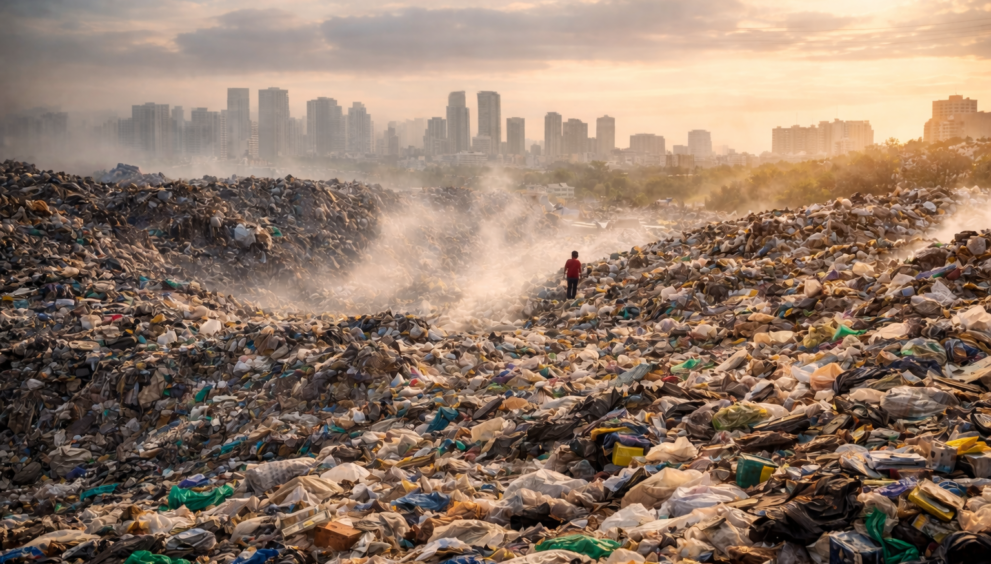
The global waste crisis is emerging as a critical public health challenge, with mounting health risks highlighted by the World Health Organization (WHO). Rapid urbanization, rising consumption, and inadequate waste management systems are exposing millions to hazardous materials, air pollution, and unsafe living conditions. According to WHO, addressing the global waste crisis is not only essential to reduce health risks but also presents opportunities to build safer, more sustainable waste systems worldwide.
The Global Waste Crisis and Its Escalating Health Risks
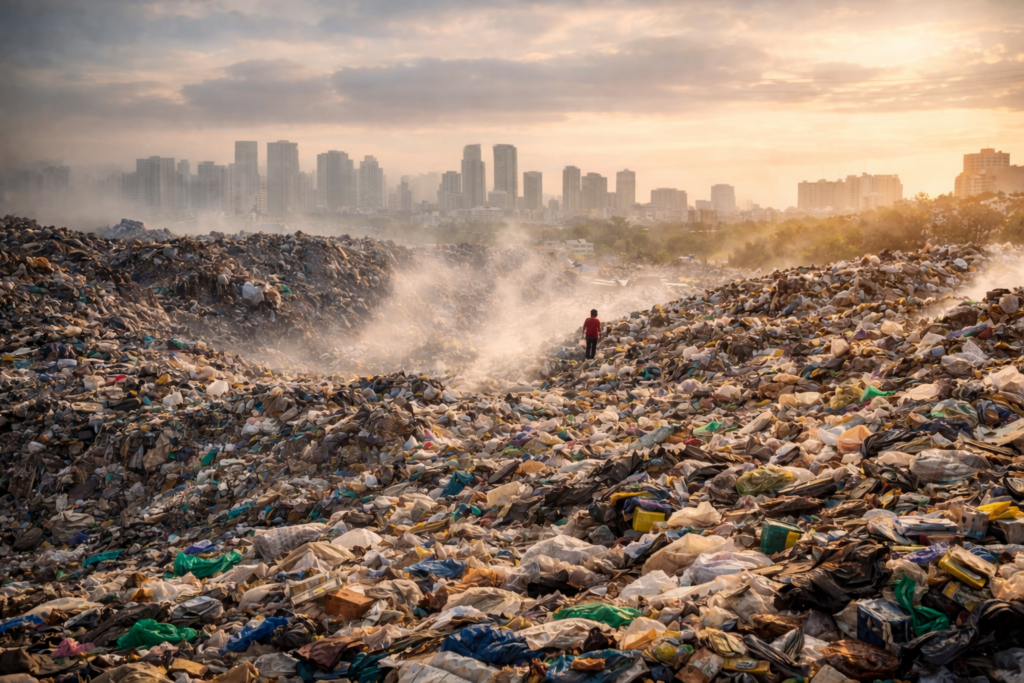
The global waste crisis has moved beyond an environmental concern to become a major public health issue. As waste generation accelerates across both developed and emerging economies, the capacity of existing systems to manage refuse safely has not kept pace. The World Health Organization has underscored that poorly managed waste directly contributes to disease transmission, toxic exposure, and environmental degradation that disproportionately affects vulnerable populations.
Waste-related health risks extend across air, soil, and water systems. Uncontrolled dumping, open burning, and informal recycling expose communities to harmful chemicals and pathogens, amplifying long-term health burdens. The scale and complexity of the crisis demand coordinated responses that integrate health considerations into waste policy and infrastructure planning.
Understanding the Scope of the Global Waste Crisis
Global waste generation has risen sharply due to population growth, urban expansion, and changing consumption patterns. Municipal solid waste, industrial byproducts, electronic waste, and medical waste are increasing in volume and complexity. Many regions lack the infrastructure and regulatory frameworks needed to manage these streams safely.
The World Health Organization emphasizes that inadequate waste management often intersects with poverty and informal labor. In many low- and middle-income countries, waste pickers operate without protective equipment, increasing exposure to infectious agents and toxic substances. These conditions illustrate how the global waste crisis reinforces health inequities.
Health Risks Linked to Poor Waste Management
Health risks associated with the global waste crisis are both immediate and long-term. Open dumping and burning release fine particulate matter and toxic emissions that contribute to respiratory diseases, cardiovascular conditions, and cancers. Contaminated water sources increase the risk of gastrointestinal infections and other waterborne illnesses.
The WHO highlights that children, pregnant individuals, and older populations are particularly vulnerable. Exposure during early development can have lifelong health consequences, reinforcing the urgency of systemic intervention. These risks are magnified in densely populated urban areas where waste accumulation is most visible.
Medical and Hazardous Waste Challenges
Medical and hazardous waste streams pose distinct challenges within the global waste crisis. Improper disposal of healthcare waste can spread infectious diseases and introduce harmful chemicals into the environment. The expansion of healthcare services, while essential, has increased the volume of complex waste requiring specialized handling.
The World Health Organization notes that insufficient segregation and treatment of medical waste undermines health system resilience. Strengthening waste management within healthcare settings is therefore a critical component of broader public health strategies.
Environmental Pathways to Human Exposure
Environmental contamination acts as a key pathway linking waste to health risks. Pollutants from landfills and informal dumps can leach into soil and groundwater, affecting food systems and drinking water supplies. Airborne pollutants from waste burning contribute to regional and transboundary air quality issues.
The global waste crisis thus operates across interconnected systems, making isolated interventions less effective. WHO advocates for integrated approaches that address environmental pathways alongside human health outcomes.
Economic and Commercial Implications
From a commercial investigation perspective, the global waste crisis presents both risks and opportunities. Poor waste management can disrupt economic activity, increase healthcare costs, and deter investment in affected regions. Conversely, investment in modern waste infrastructure can generate economic value while reducing health risks.
Waste-to-energy technologies, recycling systems, and circular economy models are gaining attention as scalable solutions. These approaches align environmental responsibility with commercial viability, supporting long-term economic resilience.
Policy and Governance Considerations
Effective governance is central to addressing the global waste crisis. Regulatory frameworks that prioritize health outcomes, enforce environmental standards, and support data transparency are essential. The World Health Organization emphasizes the need for cross-sector collaboration, linking health ministries with environmental, urban planning, and industrial authorities.
Policies that integrate health risk assessments into waste management planning are more likely to deliver sustainable outcomes. Without such alignment, investments may fail to address the root causes of exposure and disease.
Opportunities Highlighted by the World Health Organization
While the WHO underscores the severity of health risks, it also identifies opportunities for progress. Improved waste collection, safer recycling practices, and formalization of waste labor can significantly reduce exposure. Public awareness campaigns and community engagement further strengthen resilience.
The global waste crisis can therefore act as a catalyst for innovation, driving adoption of cleaner technologies and inclusive economic models. These opportunities highlight the potential for waste systems to contribute positively to public health and sustainability goals.
The Role of Data and Measurement
Reliable data is essential for managing health risks associated with waste. The WHO stresses the importance of monitoring exposure pathways, disease outcomes, and waste flows to inform evidence-based policy. Data gaps remain a significant barrier, particularly in regions with informal waste economies.
Improved measurement supports accountability and enables targeted interventions, ensuring resources are directed where health impacts are most severe.
Long-Term Outlook
The long-term trajectory of the global waste crisis depends on collective action across governments, industries, and communities. Without systemic reform, health risks are likely to intensify as waste volumes grow. However, coordinated investment and policy alignment offer a pathway to mitigate harm and build resilient systems.
The World Health Organization’s analysis reinforces that waste management is inseparable from public health planning. Treating it as such is essential for sustainable development.
Conclusion
The global waste crisis represents one of the most pressing public health challenges of the modern era. As highlighted by the World Health Organization, unmanaged waste significantly increases health risks while exacerbating social and economic inequalities. At the same time, the crisis presents opportunities to redesign waste systems that protect health, support economic growth, and advance sustainability. Addressing the global waste crisis through a health-centered lens is no longer optional but a strategic imperative.