English





































































Google Pixel 10a: The Budget Smartphone That Plays It Smart in 2026

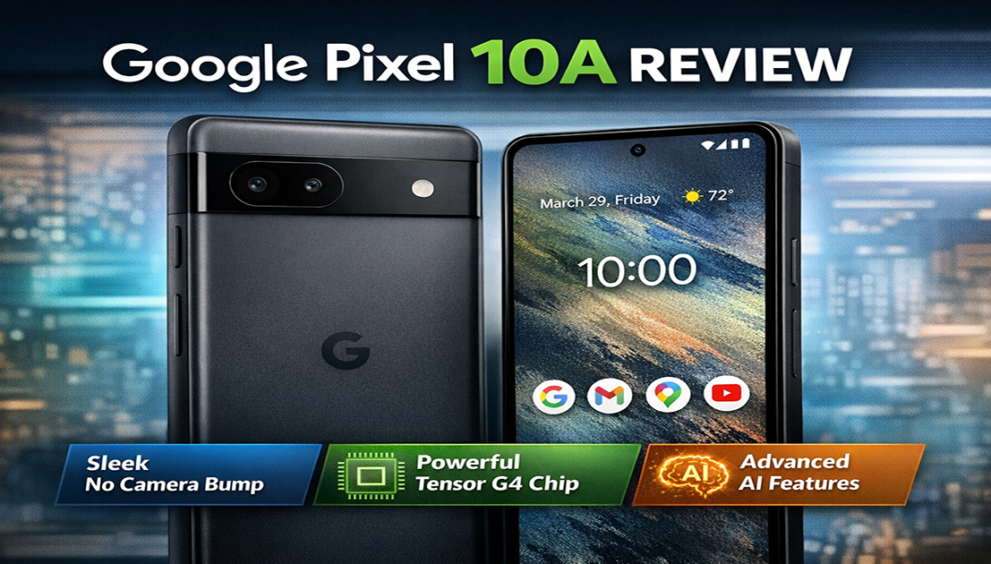
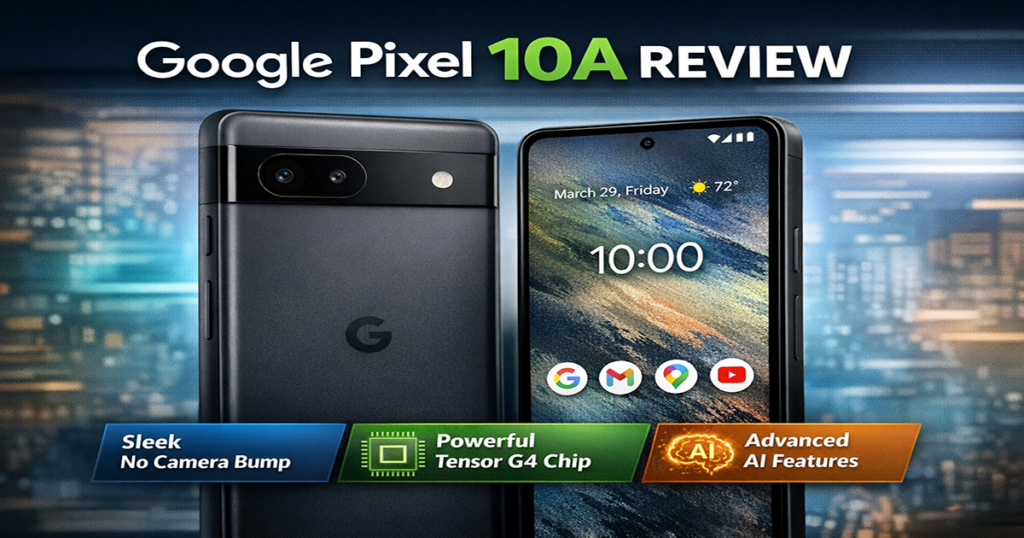
The midrange smartphone segment is undergoing a fundamental transformation, driven by artificial intelligence integration and hardware efficiency. The arrival of Google Pixel 10A marks a strategic pivot in this evolution, combining a refined industrial design with a significant leap in AI-driven performance. Positioned within the broader ecosystem of Google hardware innovation, the Pixel 10A challenges conventional expectations by eliminating the camera bump while simultaneously enhancing computational photography and on-device intelligence.
Google Pixel 10A Review: Strategic Evolution in AI Smartphones

The Google Pixel 10A represents a calculated evolution in midrange smartphone engineering, where artificial intelligence, design efficiency, and performance optimization converge. Unlike incremental upgrades seen in previous generations, this device introduces structural refinements that align with broader industry trends emphasizing AI-first hardware architectures. At the core of this transformation is the integration of the Tensor G4 chipset, a component specifically engineered to enhance machine learning workloads. This advancement positions the Pixel 10A as a leader in AI-driven mobile computing within its segment.
Pixel 10a Camera Bump Design: A Minimalist Shift
One of the most defining aspects of the Pixel 10a camera bump design is the elimination of the protruding camera module, a feature that has become synonymous with modern smartphones. This design decision reflects a deliberate move toward structural simplicity and ergonomic balance. The absence of a camera bump enhances device stability on flat surfaces while contributing to a more cohesive aesthetic. This approach also indicates advancements in sensor miniaturization and internal component arrangement, allowing high-performance imaging hardware to be integrated without external protrusion. From a commercial perspective, the design differentiates the Pixel 10A in a saturated market, where visual identity plays a critical role in consumer decision-making.
Pixel 10a Performance Tensor G4 Chip: AI at the Core
Performance optimization in the Pixel 10A is anchored by the Tensor G4 chip, a processor designed to prioritize AI workloads over traditional benchmark metrics. This architectural focus enables enhanced real-time processing for tasks such as image recognition, voice processing, and contextual computing. The Pixel 10a Tensor G4 performance and AI capabilities extend beyond raw speed, emphasizing efficiency and responsiveness. Applications leveraging machine learning benefit from reduced latency and improved accuracy, resulting in a more intuitive user experience. Thermal management and power efficiency are also notable improvements, ensuring sustained performance without excessive energy consumption. This balance is critical in maintaining device longevity and user satisfaction.
Google Pixel 10a AI Features: Redefining User Interaction

The integration of AI features within the Pixel 10A represents a paradigm shift in how smartphones interact with users. These capabilities are deeply embedded within the operating system, enabling seamless functionality across various applications. Advanced computational photography remains a cornerstone, with AI-driven enhancements improving image clarity, dynamic range, and color accuracy. Real-time scene recognition and adaptive processing ensure optimal results across diverse lighting conditions. Voice assistants, predictive text, and contextual suggestions further demonstrate the device’s AI capabilities. These features contribute to a more personalized and efficient user experience, aligning with the broader vision of AI-centric computing.
Pixel 10a Camera Quality and Real-World Performance Analysis
Camera performance remains a critical factor in smartphone evaluation, and the Pixel 10A delivers notable advancements in this domain. The combination of hardware optimization and AI-driven processing results in consistent image quality across various scenarios. In real-world conditions, the device demonstrates strong performance in low-light environments, maintaining detail and reducing noise. HDR capabilities ensure balanced exposure, while AI enhancements refine color reproduction. Video performance also benefits from computational stabilization and real-time processing, producing smooth and visually consistent footage. These improvements reinforce the Pixel 10A’s position as a competitive option for photography enthusiasts.
Pixel 10a vs Pixel 9a Comparison: Incremental or Transformational?
A comparative analysis between the Pixel 10A and its predecessor reveals both incremental and transformative changes. While the overall design philosophy remains consistent, key enhancements distinguish the newer model. The removal of the camera bump represents a significant design evolution, while the Tensor G4 chip introduces substantial improvements in AI performance. These changes collectively enhance the device’s usability and efficiency. Battery performance and software optimization also show measurable improvements, contributing to a more reliable and consistent user experience. The comparison underscores the strategic direction of Google’s midrange lineup.
Software Ecosystem and Long-Term Value
The Pixel 10A benefits from integration within the broader Google ecosystem, ensuring seamless compatibility with services and applications. Regular software updates and security patches enhance device longevity and user trust. AI-driven features are continuously refined through software updates, extending the device’s capabilities beyond its initial release. This approach aligns with the concept of software-defined hardware, where functionality evolves over time. From a commercial perspective, this long-term value proposition strengthens the device’s appeal, particularly among users seeking reliability and ongoing support.
Market Positioning and Competitive Landscape
The Pixel 10A occupies a strategic position within the midrange smartphone market, competing with devices that prioritize performance, design, and value. Its emphasis on AI and computational capabilities differentiates it from competitors focusing primarily on hardware specifications. The collaboration between hardware and software development within Google enables a cohesive user experience, setting the Pixel 10A apart from fragmented ecosystems. This integration is a key factor in its competitive advantage.
Challenges and Limitations
Despite its strengths, the Pixel 10A faces challenges inherent to the midrange segment. Balancing cost constraints with advanced features requires careful optimization, and certain hardware limitations may impact performance in demanding scenarios. Market competition remains intense, with numerous manufacturers offering devices with comparable specifications. Differentiation through AI and software integration is essential in maintaining relevance.
Future Outlook: AI-Centric Smartphone Evolution
The Google Pixel 10A reflects a broader shift toward AI-centric smartphone design, where computational capabilities define user experience. This trend is expected to continue, with future devices incorporating increasingly sophisticated AI features. The integration of advanced processors, optimized software, and innovative design elements positions the Pixel lineup for continued growth. The Pixel 10A serves as a benchmark for this evolution, demonstrating the potential of AI-driven mobile technology.
Conclusion: A Strategic Midrange Disruptor
The Google Pixel 10A represents a strategic advancement in the midrange smartphone segment, combining design innovation, AI capabilities, and performance efficiency. Its emphasis on computational intelligence and user-centric features aligns with evolving market demands. By addressing key challenges and leveraging technological advancements, the Pixel 10A establishes itself as a compelling option for consumers seeking a balance between performance and value. The device’s impact extends beyond its specifications, reflecting a broader transformation in the smartphone industry driven by artificial intelligence.