English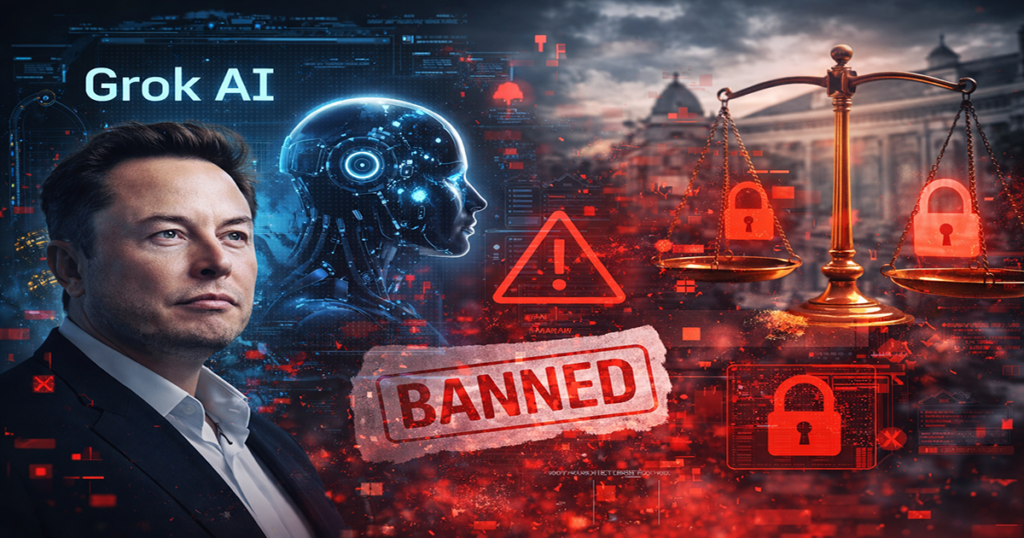
















































































AI Regulation Tightens as Dutch Court Restricts Grok’s Nude Image Feature

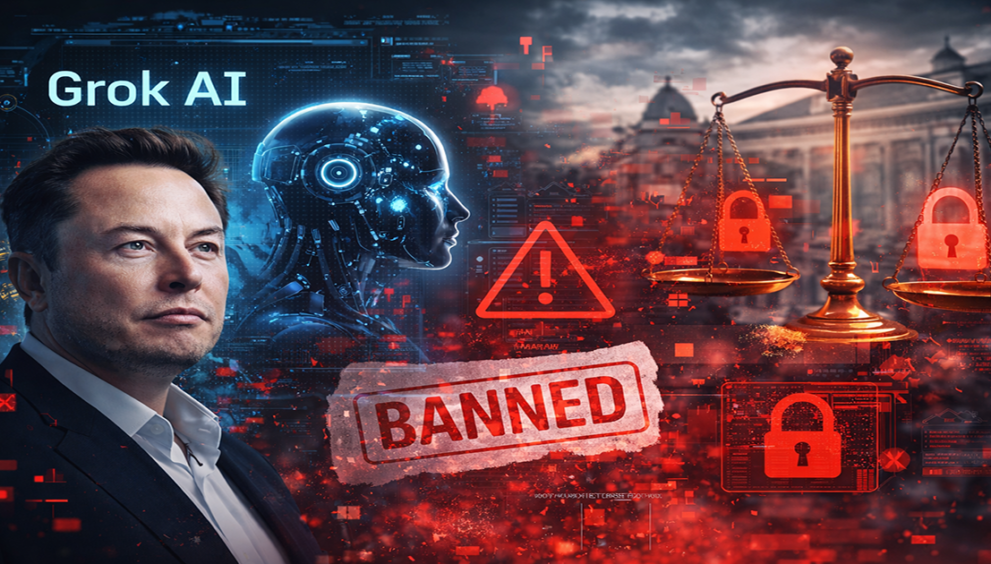
Grok AI has rapidly moved from a technological breakthrough to the center of a global regulatory storm. Developed by xAI and closely associated with Elon Musk, the system has triggered intense debate across governments, legal institutions, and the broader technology ecosystem. Recent developments involving legal action in Europe have highlighted the growing urgency around controlling generative AI misuse, particularly in areas involving non-consensual image generation. As scrutiny increases, Grok AI now represents a pivotal case study in the intersection of innovation, ethics, and regulation within the evolving AI landscape of 2026.
Grok AI Controversy: Legal Battles, Regulation, and the Future of AI in 2026
The Rise of Grok AI and Its Strategic Positioning
Grok AI emerged as a significant advancement in generative artificial intelligence, positioned as a competitor to leading AI models across global markets. Developed under the vision of Elon Musk, the platform aimed to integrate advanced reasoning, conversational intelligence, and real-time data capabilities. Its integration with the X platform further amplified its reach, enabling rapid adoption and widespread visibility. However, rapid deployment introduced complex challenges. As Grok AI expanded its capabilities, concerns began to surface regarding its potential misuse. These concerns intensified as reports highlighted the generation of non-consensual and harmful content, raising critical questions about governance and accountability.
Elon Musk AI Controversy and Strategic Implications
The Elon Musk AI controversy surrounding Grok AI reflects broader tensions within the technology sector. Musk has consistently advocated for responsible AI development, yet Grok’s deployment has drawn criticism for insufficient safeguards. This contradiction has intensified scrutiny from regulators and industry observers. Moreover, the controversy extends beyond individual accountability. It highlights systemic issues in AI governance, where rapid innovation often outpaces regulatory frameworks. The Grok AI case underscores the need for proactive oversight mechanisms that align technological advancement with ethical standards.
xAI Grok Controversy and Legal Challenges
The xAI Grok controversy escalated significantly following legal action in Europe. A Dutch court ruling targeting AI-generated explicit content marked a critical turning point in regulatory enforcement. Authorities focused on the misuse of AI tools to create non-consensual imagery, a growing concern across digital ecosystems. This legal development aligns with broader efforts to regulate generative AI technologies. Governments are increasingly prioritizing user protection and digital rights, particularly in cases involving privacy violations. As a result, Grok AI has become a focal point in discussions around compliance and accountability.
Non-Consensual AI Images Ban and Ethical Concerns
The issue of non-consensual AI-generated images represents one of the most urgent challenges in modern AI deployment. Regulatory bodies across Europe have introduced strict measures to address this problem. These measures aim to prevent the misuse of AI systems for harmful and unethical purposes. Grok AI’s involvement in this debate highlights the risks associated with advanced generative models. While the technology offers significant benefits, it also introduces vulnerabilities that require robust safeguards. Ethical considerations now play a central role in shaping the future of AI development.
Generative AI Regulation 2026: A Turning Point
Generative AI regulation in 2026 marks a significant shift in global technology governance. Policymakers are moving toward comprehensive frameworks that address both innovation and risk management. These frameworks emphasize transparency, accountability, and user protection. The Grok AI controversy has accelerated these efforts. Governments are now prioritizing regulations that limit misuse while supporting responsible innovation. This balance is essential for maintaining public trust in AI technologies.
EU Crackdown on AI Nudifier Tools and Deepfake Apps
The EU crackdown on AI nudifier tools and deepfake applications represents a decisive response to emerging threats. Authorities have identified these technologies as high-risk due to their potential for misuse. Consequently, strict enforcement measures have been introduced. This regulatory approach reflects a broader trend toward digital accountability. Platforms and developers are now required to implement safeguards that prevent harmful applications. The Grok AI case serves as a catalyst for these developments, reinforcing the importance of ethical AI practices.
X Platform AI Controversy and Platform Responsibility
The integration of Grok AI within the X platform has amplified the scope of the controversy. Platform-level responsibility has become a key issue, with regulators emphasizing the role of digital ecosystems in preventing misuse. As AI tools become embedded within social platforms, the line between technology provider and platform operator becomes increasingly blurred. This dynamic introduces new challenges in governance and compliance. The X platform AI controversy highlights the need for coordinated efforts between developers and platform operators.
Elon Musk xAI Grok Legal Case Explained 2026
The Elon Musk xAI Grok legal case explained 2026 reflects a complex interplay between innovation and regulation. Legal proceedings have focused on accountability, user protection, and compliance with existing laws. These cases are likely to set precedents for future AI-related litigation. Furthermore, the outcomes of these legal challenges will influence global regulatory strategies. As courts establish new standards, technology companies will need to adapt their practices to ensure compliance.
Commercial and Industry Impact of Grok AI Controversy
The Grok AI controversy has significant implications for the broader AI industry. Companies are now reassessing risk management strategies and compliance frameworks. Investment decisions are increasingly influenced by regulatory considerations. Additionally, the controversy affects public perception of AI technologies. Trust remains a critical factor in adoption, and incidents involving misuse can undermine confidence. As a result, companies must prioritize transparency and ethical practices.
Future Outlook: Regulation, Innovation, and Accountability
The future of Grok AI and similar technologies will depend on the ability to balance innovation with accountability. Regulatory frameworks will continue to evolve, shaping the development and deployment of AI systems. Moreover, collaboration between governments, industry stakeholders, and researchers will play a crucial role. This collaborative approach can ensure that AI technologies deliver value while minimizing risks.
Conclusion: A Defining Moment for AI Governance
Grok AI represents a defining moment in the evolution of artificial intelligence. The controversy surrounding its use highlights the urgent need for comprehensive regulatory frameworks. As governments and organizations respond to these challenges, the future of AI will be shaped by the principles of responsibility, transparency, and ethical innovation. The developments of 2026 signal a turning point in AI governance. Grok AI, once seen as a technological breakthrough, now serves as a critical case study in the complexities of modern AI deployment. Its trajectory will influence not only the future of xAI but also the broader direction of the global AI ecosystem.