English













































































How AI Agents and Multimodal AI Are Revolutionizing Finance Teams


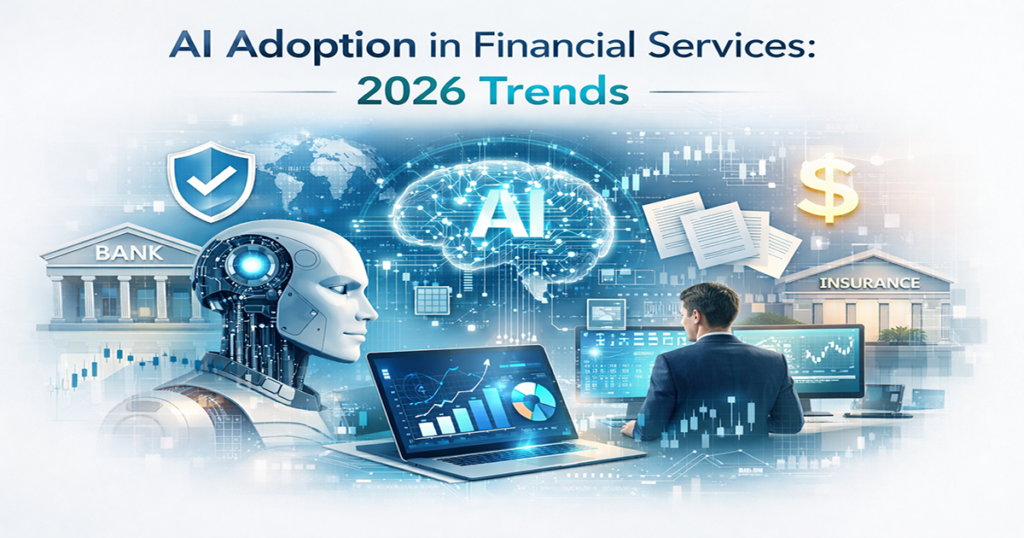
Multimodal AI in Finance is rapidly redefining how financial institutions process, analyze, and automate complex workflows. By combining text, images, documents, and structured data into a unified intelligence layer, this technology enables organizations to move beyond traditional automation. Financial processes that once required manual intervention can now be executed with precision, speed, and scalability. As enterprises seek to optimize operations and reduce inefficiencies, multimodal AI is emerging as a critical driver of transformation across finance teams, enabling smarter decision-making and seamless workflow execution.
The Rise of Multimodal AI in Finance and Its Strategic Importance
Multimodal AI in Finance represents a significant evolution in artificial intelligence capabilities, particularly in how systems interpret and process diverse data formats. Traditional automation tools typically rely on structured inputs, limiting their ability to handle real-world financial data, which often exists in unstructured forms such as invoices, contracts, emails, and scanned documents. However, multimodal AI overcomes these limitations by integrating multiple data modalities into a single analytical framework.
This capability is especially relevant in financial environments where data complexity and volume continue to increase. Organizations must process vast amounts of information from various sources, requiring systems that can understand context and relationships across different formats. Multimodal AI automation enables this by combining natural language processing, computer vision, and machine learning to extract meaningful insights from heterogeneous data.
Moreover, the integration of LLMs in financial workflows enhances the ability of systems to interpret context, generate insights, and automate decision-making processes. This advancement allows financial institutions to move beyond rule-based automation and adopt intelligent systems that can adapt to dynamic conditions. As a result, multimodal AI is becoming a foundational component of modern financial operations, driving efficiency and innovation.
Multimodal AI Automation and AI Workflow Automation in Finance
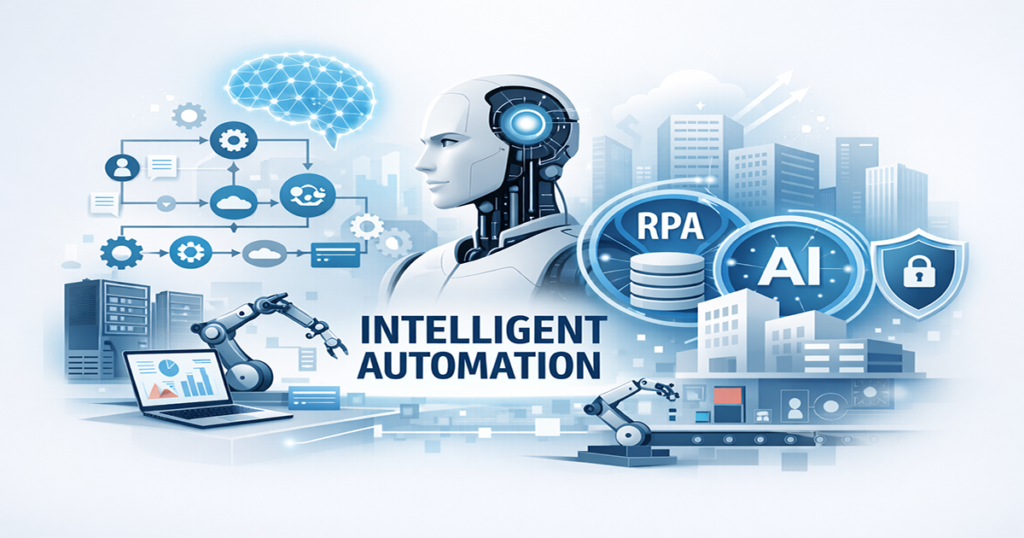
Multimodal AI automation plays a central role in transforming financial workflows by enabling end-to-end process automation. Unlike traditional systems that require predefined rules and structured inputs, multimodal AI can process diverse data types simultaneously, making it ideal for complex financial operations. This capability is particularly valuable in areas such as accounts payable, compliance, and reporting, where data is often fragmented and unstructured.
AI workflow automation in finance leverages these capabilities to streamline processes that were previously manual and time-consuming. For example, financial documents such as invoices and receipts can be automatically extracted, categorized, and validated using multimodal AI. This reduces the need for manual data entry and minimizes errors, improving overall efficiency.
In addition, finance process automation using AI enhances scalability by enabling systems to handle large volumes of transactions without compromising accuracy. Organizations can process data faster and more efficiently, allowing them to focus on strategic initiatives rather than routine tasks. This shift from manual to automated processes not only improves productivity but also reduces operational costs.
Furthermore, AI-driven financial automation enables real-time decision-making by providing instant insights into financial data. This capability is critical in dynamic environments where timely decisions can have significant impacts. By integrating multimodal AI into their workflows, organizations can achieve greater agility and responsiveness.
Role of AI Agents in Finance and LLMs in Financial Workflows
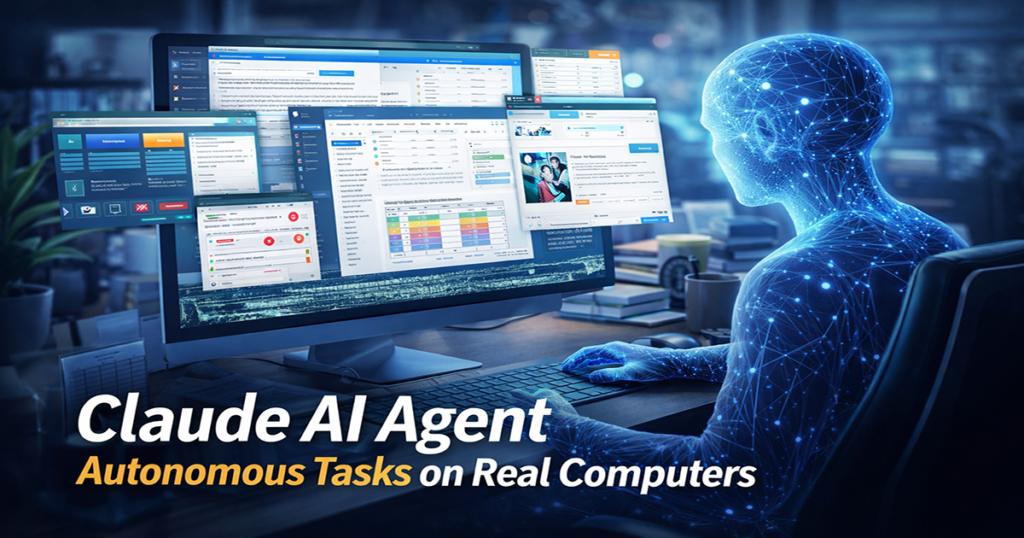
AI agents in finance are becoming increasingly sophisticated, leveraging multimodal AI to perform complex tasks autonomously. These agents can interact with multiple systems, process diverse data formats, and execute workflows with minimal human intervention. This level of automation represents a significant advancement in financial operations, enabling organizations to achieve higher levels of efficiency and accuracy.
The use of LLMs in financial workflows further enhances the capabilities of AI agents. Large Language Models can interpret natural language, generate reports, and provide insights based on contextual understanding. When combined with multimodal AI, these models can process both structured and unstructured data, enabling comprehensive analysis and decision-making.
AI-powered workflow automation for finance teams benefits from this integration by enabling seamless coordination between different processes. For example, an AI agent can extract data from an invoice, validate it against financial records, and initiate payment processes automatically. This end-to-end automation reduces the need for manual intervention and ensures consistency across workflows.
Additionally, AI agents can learn from historical data and improve their performance over time. This adaptability allows organizations to continuously optimize their processes and respond to changing conditions. As a result, AI agents are becoming essential components of modern financial systems, driving innovation and efficiency.
Best AI Solutions for Automating Finance Workflows and Data Extraction
The development of best AI solutions for automating finance workflows has focused on addressing the challenges associated with unstructured data. Multimodal AI for unstructured financial data extraction enables organizations to process documents such as invoices, contracts, and financial statements with high accuracy. This capability is critical for ensuring compliance and maintaining data integrity.
These solutions integrate advanced technologies such as computer vision and natural language processing to extract and interpret data from various formats. By combining these technologies, multimodal AI can identify patterns, detect anomalies, and generate insights that support decision-making. This comprehensive approach enhances the effectiveness of financial automation systems.
Moreover, AI-powered workflow automation for finance teams enables organizations to streamline operations and improve collaboration. By automating routine tasks, teams can focus on strategic initiatives and value-added activities. This shift not only enhances productivity but also improves job satisfaction and engagement. The scalability of these solutions is another key advantage. As organizations grow, their financial operations become more complex, requiring systems that can handle increased workloads. Multimodal AI provides the flexibility and scalability needed to support this growth, ensuring that processes remain efficient and effective.
Commercial Impact and Strategic Adoption of Multimodal AI in Finance
The adoption of multimodal AI in finance has significant commercial implications, as organizations seek to optimize operations and gain competitive advantages. By automating complex workflows, companies can reduce costs, improve efficiency, and enhance accuracy. These benefits contribute to improved financial performance and increased profitability. From a strategic perspective, the integration of multimodal AI aligns with broader trends in digital transformation. Organizations are increasingly investing in AI technologies to enhance their capabilities and remain competitive in a rapidly evolving market. Multimodal AI provides a comprehensive solution that addresses multiple challenges, making it a valuable investment.
Furthermore, the ability to process unstructured data enables organizations to unlock new insights and opportunities. By analyzing data from diverse sources, companies can gain a deeper understanding of their operations and make informed decisions. This capability is particularly important in financial environments where data-driven insights are critical for success. The commercial impact of multimodal AI extends beyond individual organizations, influencing the broader financial industry. As adoption increases, it is likely to drive innovation and set new standards for efficiency and performance. This transformation underscores the importance of embracing advanced technologies to remain competitive.
Future Outlook: AI-Driven Financial Automation and Intelligent Workflows
The future of financial operations is closely tied to the continued development of multimodal AI and its integration into workflows. As technology advances, AI systems are expected to become more sophisticated, capable of handling increasingly complex tasks. This evolution will enable organizations to achieve higher levels of automation and efficiency. AI-driven financial automation will play a central role in this transformation, enabling organizations to streamline processes and improve decision-making. By leveraging multimodal AI, companies can create intelligent workflows that adapt to changing conditions and deliver consistent results. This adaptability is essential for navigating the complexities of modern financial environments. In addition, the integration of AI agents and LLMs will further enhance the capabilities of financial systems. These technologies will enable organizations to automate end-to-end processes, reducing the need for manual intervention and improving overall performance. As a result, the role of AI in finance will continue to expand, driving innovation and growth.
Conclusion: Multimodal AI in Finance as a Competitive Advantage
Multimodal AI in Finance represents a transformative force that is reshaping how financial operations are conducted. By enabling intelligent automation, data integration, and real-time decision-making, this technology provides organizations with the tools needed to thrive in a competitive environment. As financial institutions continue to adopt AI-driven solutions, the importance of multimodal AI will only increase. Its ability to process diverse data formats and automate complex workflows makes it a critical component of modern financial systems. By embracing this technology, organizations can achieve greater efficiency, accuracy, and innovation, positioning themselves for long-term success.