English
































Scout Motors Advances Direct-to-Consumer Sales Strategy

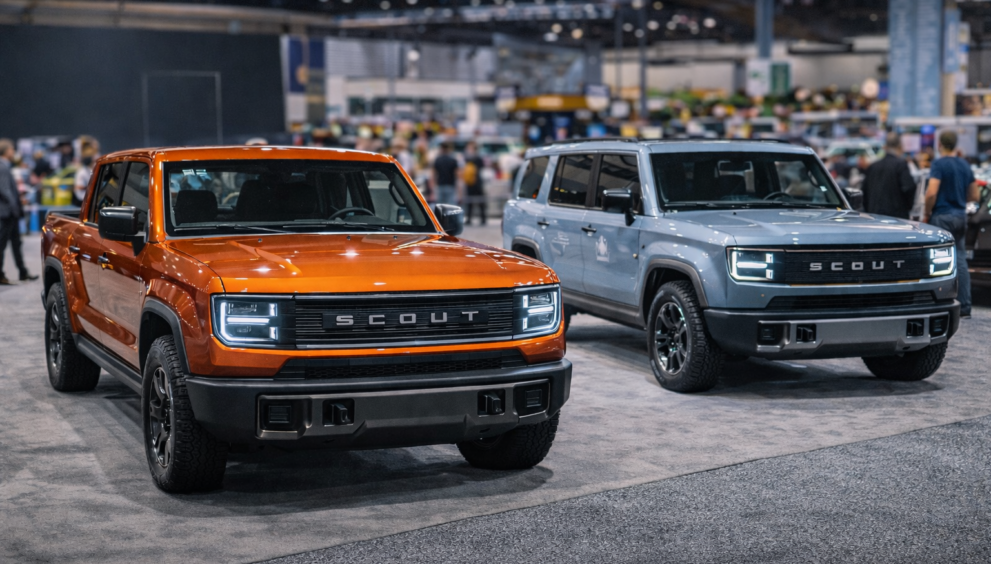
Scout Motors has taken a critical step toward its ambition to sell direct to consumers after securing regulatory approval for a dealer license in Colorado. The decision positions the Volkswagen-backed brand at the center of the evolving debate around direct-to-consumer sales in the U.S, a model increasingly favored by electric vehicle startups. As Scout Motors prepares for market entry, the move highlights broader structural shifts in automotive retail, where legacy dealership frameworks are being challenged by digitally driven, manufacturer-controlled sales strategies.
Scout Motors at the Center of a Retail Transformation
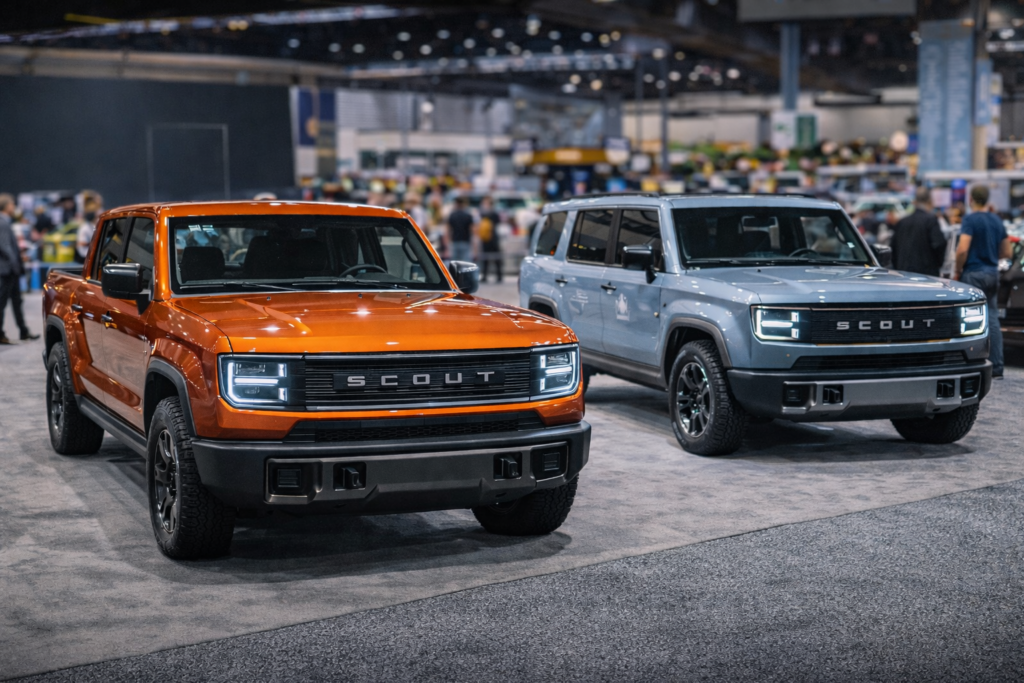
Scout Motors is emerging as a key test case in the transformation of the U.S. automotive sales model. Backed by Volkswagen Group, the brand plans to reintroduce the iconic Scout nameplate through electric trucks and SUVs while bypassing traditional dealership networks. The recent approval of a dealer license in Colorado marks a pivotal regulatory milestone that strengthens Scout Motors’ ability to sell direct to consumers in a market historically governed by franchise dealer laws.
Why the Dealer License Approval Matters
The Colorado dealer license approval represents more than a procedural clearance. It establishes a legal framework enabling Scout Motors to operate company-owned retail operations, a foundational requirement for direct-to-consumer sales in the U.S. This development signals regulatory flexibility in certain states, creating pathways for manufacturers seeking tighter control over pricing, customer experience, and brand messaging.
Direct-to-Consumer Sales as a Strategic Advantage
The direct-to-consumer model offers Scout Motors several commercial advantages. By eliminating third-party dealers, the brand gains end-to-end oversight of the sales funnel, from online configuration to vehicle delivery. This structure supports transparent pricing, standardized customer engagement, and improved data ownership. For emerging electric vehicle brands, these factors are increasingly viewed as essential to competing in a market shaped by digital-first consumer behavior.
Regulatory Challenges Across the U.S.
Despite progress in Colorado, direct-to-consumer sales in the U.S. remain unevenly regulated. Many states maintain franchise laws that restrict automakers from operating their own retail outlets. Scout Motors’ approach underscores the necessity of state-by-state regulatory navigation, highlighting how expansion timelines and market access may vary depending on legislative environments. This fragmentation remains a key commercial risk for manufacturers pursuing direct sales strategies.
Volkswagen’s Broader Strategic Calculus
For Volkswagen Group, Scout Motors represents more than a product launch. It functions as a strategic experiment in retail modernization. Lessons learned from Scout’s direct-to-consumer operations may influence future sales frameworks across Volkswagen’s global portfolio, particularly as digital retail becomes central to electric vehicle commercialization. The Colorado approval strengthens confidence in the scalability of this model under the right regulatory conditions.
Impact on Traditional Dealership Networks
Scout Motors’ strategy has reignited concerns among traditional dealer associations, which argue that direct-to-consumer sales undermine long-standing franchise protections. However, proponents counter that electric vehicles require new retail approaches emphasizing education, software integration, and long-term service models. Scout’s regulatory progress adds momentum to this debate, potentially accelerating policy reassessments in other states.
Consumer Implications and Market Reception
For consumers, direct-to-consumer sales promise streamlined purchasing, fewer pricing discrepancies, and stronger alignment between manufacturer and buyer expectations. Scout Motors’ model emphasizes online engagement, transparent configuration, and centralized customer support. These features align with evolving expectations among EV buyers, particularly those accustomed to digital commerce experiences.
Commercial Viability and Execution Risks
While the direct-to-consumer approach offers strategic advantages, execution risks remain. Scout Motors must invest heavily in logistics, service infrastructure, and compliance management to replace functions traditionally handled by dealerships. The success of the model will depend on operational efficiency, customer satisfaction, and the ability to scale service networks without franchise partners.
What This Means for the U.S. Auto Industry
Scout Motors’ regulatory breakthrough reflects a broader recalibration of automotive retail norms. As electric vehicle adoption grows, manufacturers are reassessing how vehicles are marketed, sold, and supported. Direct-to-consumer sales models are no longer fringe experiments but increasingly credible alternatives shaping the future of automotive commerce.
Conclusion
Scout Motors’ approved dealer license in Colorado marks a defining moment in its pursuit of direct-to-consumer sales in the U.S. The move reinforces shifting regulatory attitudes and highlights growing acceptance of alternative retail models in the electric vehicle era. As Scout Motors progresses toward launch, its experience will serve as a bellwether for how far direct sales can reshape the American automotive market.