English



































Traditional Medicine Takes Center Stage at WHO Summit

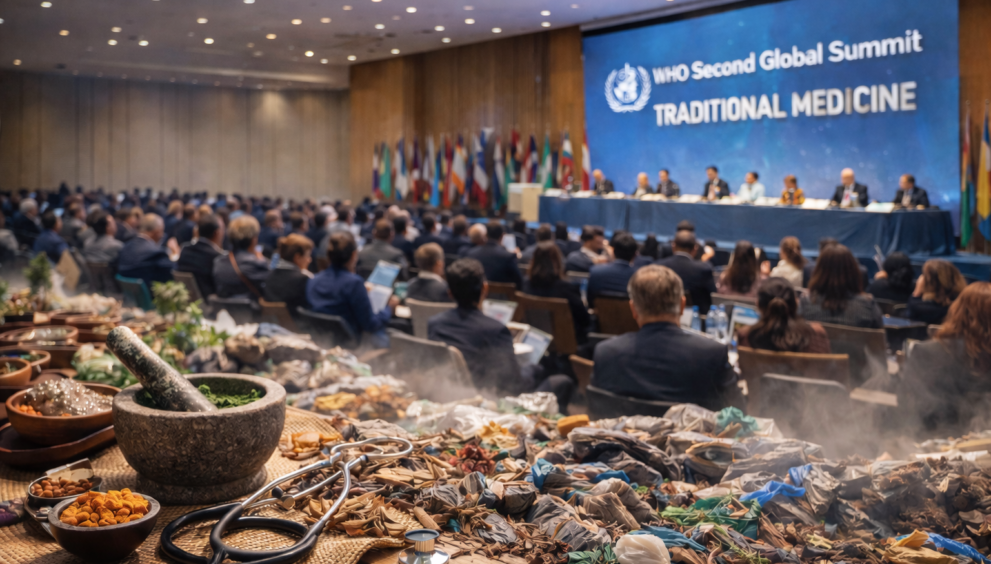
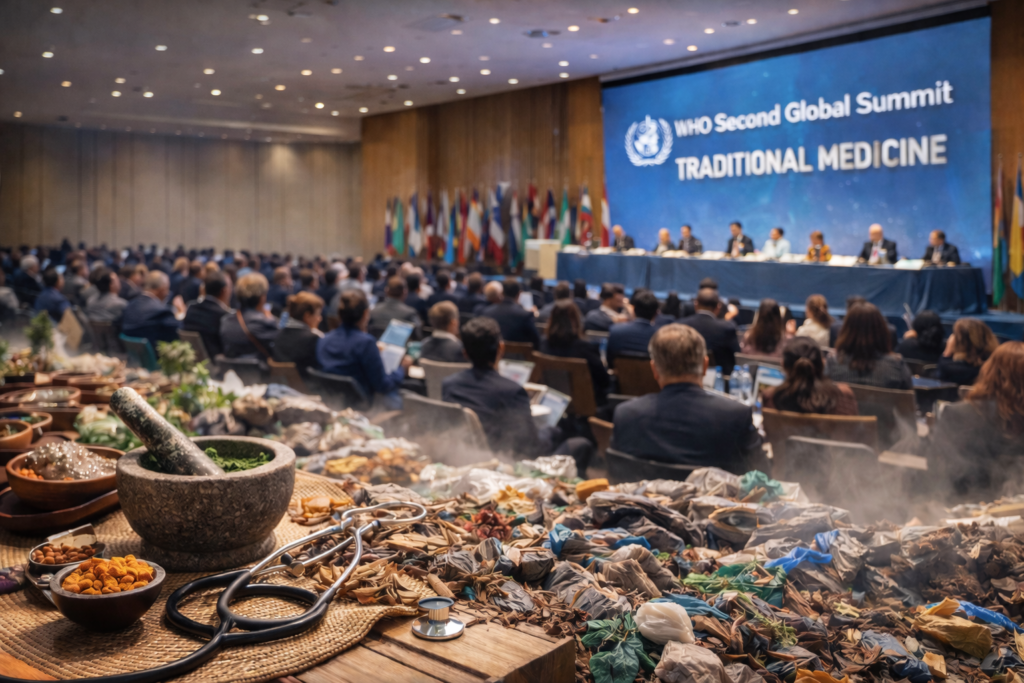
Traditional medicine (TM) is gaining renewed global attention as the World Health Organization convenes the Second Global Summit to advance evidence, integration, and innovation. Anchored in the WHO Global Traditional Medicine Strategy, the summit signals a strategic shift toward embedding traditional medicine within modern health systems while addressing safety, effectiveness, and regulatory standards. As governments and health institutions reassess the role of Traditional medicine (TM), the summit highlights its growing relevance to global healthcare delivery and economic development.
Traditional Medicine and the Push for Global Integration
Traditional medicine has been practiced for centuries across cultures, forming an integral part of healthcare for a large proportion of the world’s population. The World Health Organization’s decision to host the Second Global Summit reflects a recognition that Traditional medicine (TM) is no longer peripheral to global health discussions. Instead, it is increasingly viewed as a complementary component of resilient health systems.
The summit builds on the WHO Global Traditional Medicine Strategy, which aims to support countries in maximizing the potential contribution of traditional medicine while ensuring patient safety and evidence-based use. This approach reflects a broader trend toward inclusive health models that acknowledge diverse medical knowledge systems.
The Strategic Importance of the Second Global Summit
The Second Global Summit represents a critical milestone in the institutionalization of traditional medicine within global health governance. By convening policymakers, researchers, regulators, and practitioners, WHO is fostering a coordinated framework for dialogue and collaboration.
The focus on evidence and integration underscores a shift from informal recognition toward structured inclusion. Traditional medicine is increasingly assessed through scientific research, clinical evaluation, and regulatory oversight, aligning it with broader health system standards.
Evidence-Based Validation of Traditional Medicine
One of the central themes of the summit is the advancement of evidence for traditional medicine. Historically, skepticism around Traditional medicine (TM) has stemmed from inconsistent documentation and variable standards. WHO’s strategy emphasizes rigorous research methodologies to evaluate safety, efficacy, and quality.
By promoting standardized data collection and clinical studies, WHO seeks to bridge the gap between traditional knowledge and modern medical science. This alignment enhances credibility and supports informed decision-making by health authorities.
Integration Into National Health Systems
Integration remains a key objective of the WHO Global Traditional Medicine Strategy. Many countries already rely on traditional medicine as a primary source of care, particularly in underserved regions. The summit highlights pathways for incorporating these practices into formal health systems without compromising safety or quality.
Regulatory frameworks, practitioner accreditation, and standardized training are central to this process. Integration also enables better monitoring of outcomes and supports coordinated care delivery across medical disciplines.
Innovation and Digital Transformation
Innovation plays a growing role in the evolution of traditional medicine. Digital health tools, data platforms, and artificial intelligence are increasingly applied to document traditional practices, track outcomes, and improve accessibility.
The Second Global Summit explores how innovation can preserve traditional knowledge while enhancing transparency and scalability. Digital integration supports research, education, and cross-border collaboration, positioning traditional medicine within modern health infrastructure.
Health Equity and Access Considerations
Traditional medicine holds particular significance for health equity. In many low- and middle-income countries, it represents an affordable and culturally accepted form of care. WHO emphasizes that structured integration can improve access while reducing disparities in healthcare delivery.
By formalizing traditional medicine within health systems, governments can strengthen primary care networks and expand service coverage, particularly in rural and marginalized communities.
Commercial and Economic Implications
From a commercial investigation perspective, traditional medicine represents a growing global market. Herbal medicines, natural products, and traditional therapies contribute significantly to healthcare economies worldwide. The summit highlights the need for quality assurance and sustainable sourcing to support responsible growth.
Clear regulatory pathways enhance market confidence and attract investment, while protecting consumers from substandard or unsafe products. The WHO Global Traditional Medicine Strategy provides a framework for balancing innovation with public health safeguards.
Regulatory Harmonization Challenges
Regulatory diversity remains a challenge for traditional medicine integration. Standards vary widely across countries, complicating international collaboration and trade. WHO’s convening role aims to encourage alignment around best practices and shared benchmarks.
Harmonization supports cross-border research and improves transparency, enabling traditional medicine products and services to operate within global health markets more effectively.
Research Collaboration and Capacity Building
The summit emphasizes capacity building as a cornerstone of sustainable integration. Strengthening research institutions, training health professionals, and fostering interdisciplinary collaboration are essential to advancing evidence-based traditional medicine.
WHO’s leadership facilitates knowledge exchange and supports countries in developing national strategies aligned with global objectives.
Long-Term Outlook Under the WHO Strategy
The WHO Global Traditional Medicine Strategy envisions a future where traditional medicine is safely integrated, scientifically validated, and globally recognized. The Second Global Summit reinforces this vision by translating strategic goals into actionable pathways.
As health systems face rising costs and demographic pressures, traditional medicine may contribute to diversified care models that enhance resilience and sustainability.
Conclusion
Traditional medicine (TM) is entering a new phase of global recognition as the World Health Organization advances evidence, integration, and innovation through its Second Global Summit. Guided by the WHO Global Traditional Medicine Strategy, the initiative underscores the potential of traditional medicine to complement modern healthcare while addressing safety and regulatory challenges. As integration efforts accelerate, traditional medicine stands poised to play a more structured and impactful role in global health systems.